
Last updated October 15, 2026

Free written scope consultation - allowances, timeline, and change-order rules on paper before a single trade is scheduled
Construction Permits, Codes & Inspections in CA: What You Need to Know
San Jose charges permit fees based on project valuation, which means the city’s calculation of your project’s worth, not your contractor’s bid, determines what you pay. A $40,000 kitchen remodel on your contract and a $40,000 remodel in the city’s formula don’t always share the same number. This guide walks through how San Jose’s permitting process actually works, where costs surprise homeowners, and what Title 24, plan checks, and final inspections mean for your remodel budget and your resale value. For more guides & resources, explore our blog.
Quick Answer
Most structural, electrical, plumbing, and mechanical remodel work in San Jose requires a permit, and San Jose calculates permit fees on the city’s own valuation table rather than your contractor’s bid. Expect plan check to take two to six weeks depending on project scope, with fees for a typical kitchen or bath remodel running $1,200 to $4,500 between permits and inspections. Skipping the permit saves money today but creates title, insurance, and resale problems that cost far more later.
Styles & brands we work with







Table of Contents
- How San Jose Calculates Permit Fees (And Why Your Bid Isn’t the Number)
- Which Remodel Projects Require a Permit in San Jose
- The Step-by-Step San Jose Permit Sequence: Submittal to Inspection
- Title 24 Energy Code: The Hidden Cost Layer in California Remodels
- The Real Cost of Unpermitted Work at Resale and Insurance Time
- Final Inspection and Your Contractor’s Work Guarantee
- Common Mistakes to Avoid
- When to Call a Professional
How San Jose Calculates Permit Fees (And Why Your Bid Isn’t the Number)
San Jose uses a valuation-based fee schedule. That means the city assigns a dollar value to your project based on square footage, scope, and construction type, then charges a percentage of that assigned value. Your contractor’s bid is not the starting point. A homeowner who signs a $38,000 kitchen contract can receive a permit fee calculated on a $52,000 city valuation because the city’s table accounts for full replacement cost, not negotiated remodel pricing. This gap surprises people every month.
For a typical kitchen remodel in San Jose, permit fees usually land between $1,800 and $3,600. Bathroom remodels run $1,200 to $2,800. Whole-home remodels push higher, often $6,000 to $12,000 in permit and plan check fees alone, depending on square footage and structural work. These ranges include building permit fees, electrical, plumbing, and mechanical permits, plus plan check charges. School district fees and park impact fees apply to additions and some large remodels, adding $2 to $6 per square foot in some San Jose neighborhoods.
What Drives the Number Up or Down
- Project valuation: the city’s square-footage table is non-negotiable, but a licensed contractor who submits a detailed scope can sometimes bring the valuation down with itemized documentation.
- Scope of trades: every trade you touch adds a fee line. A kitchen that moves a sink, adds outlets, and relocates a gas line pays building, plumbing, electrical, and mechanical fees.
- Plan check corrections: resubmissions cost money. First plan check is included in most fees, but a second or third correction cycle adds hourly charges at roughly $150 to $200 per resubmission.
- Additions: any square footage added to the home triggers school fees and, in some cases, affordable housing linkage fees. These are separate from permit fees and can be thousands.
When we price a remodel for a homeowner in Willow Glen or Almaden Valley, we include the permit line as a real number, not a placeholder. That’s part of the written price we give before work starts. If the permit fee is $2,100, the written estimate says $2,100. If the city comes back higher after plan check, we show you the invoice. Nothing hidden.
Which Remodel Projects Require a Permit in San Jose
San Jose follows the California Building Code, which requires permits for any work that alters structure, electrical systems, plumbing lines, or mechanical systems. The list is broad, and homeowners routinely underestimate it. Cosmetic work like painting, flooring, and cabinet refacing without changing plumbing or electrical positions does not require a permit. Moving a sink, adding an outlet, opening a wall, or replacing a water heater all do.
Permit-Required Projects Homeowners Routinely Skip
- Kitchen remodels that move any plumbing or electrical. Even shifting a sink two feet requires a plumbing permit and an inspection.
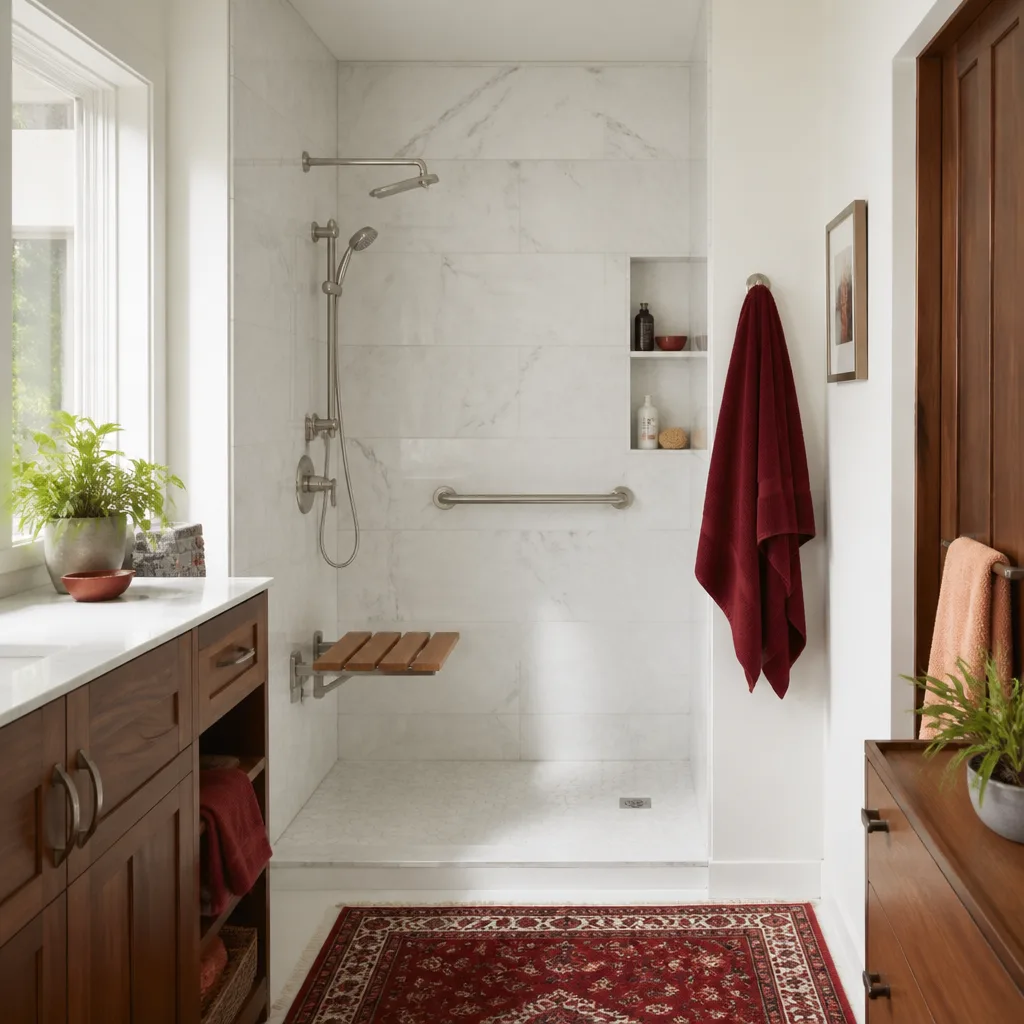
- Bathroom remodels that touch the shower pan, drain line, or waterproofing layer. The shower pan inspection is one of the most commonly skipped and most frequently failed inspections in San Jose.
- Window replacements that change the rough opening size. Same-size replacements are generally exempt from a building permit, but changing the opening requires plans and a permit.
- Wall removals, even non-load-bearing ones. If the wall contains electrical or plumbing, you need permits. If it’s load-bearing, you need structural engineering too.
- Water heater replacements. This is a permit-required job in San Jose, and unpermitted water heater installations are a top flag on home inspection reports.
- Electrical panel upgrades. Any service panel change or amperage increase requires an electrical permit and PG&E coordination.
We regularly see homeowners in Cambrian and Berryessa who bought a house with unpermitted work from a previous owner. They didn’t know until they went to sell. Title companies and buyers’ inspectors in San Jose have gotten more thorough about checking permit history against actual home condition. Unpermitted work shows up.
The Step-by-Step San Jose Permit Sequence: Submittal to Inspection
The San Jose permitting workflow has a specific order, and it’s different from smaller Bay Area cities. Knowing the sequence prevents stalled projects. Here’s what the process looks like for a typical permitted kitchen or bath remodel.
- Prepare plans or a detailed scope. Small jobs like a water heater swap need only a scope description on the permit application. Larger remodels need dimensioned drawings showing existing and proposed conditions. Structural changes require a California-licensed engineer’s stamp.
- Submit online through the SJPermits portal. San Jose accepts digital submittals for most residential work. The city’s Building Division reviews for completeness first, then routes to plan check.
- Plan check review. Over-the-counter review applies to simple mechanical and plumbing swaps, sometimes same-day. Full plan check for remodels runs roughly three to six weeks depending on volume. Fees are collected at submittal based on valuation.
- Receive corrections. The plan checker returns a comments list. Common corrections in San Jose include Title 24 energy documentation, structural detail on shear walls, and waterproofing details at showers. Each resubmission restarts part of the clock.
- Permit issuance. Once approved, the permit is issued and work can legally start. The permit card must be posted on site.
- Schedule inspections at each phase. Typical inspection points for a remodel include rough framing, rough electrical, rough plumbing, insulation, lath and shear, shower pan (if applicable), and final. San Jose inspection scheduling is done by phone or online, and inspectors arrive with a four-hour window.
- Pass final inspection. The inspector signs off, the permit is closed, and the Certificate of Occupancy or completion record is filed with the city.
One detail specific to San Jose: the city is strict about the shower pan inspection for any bath remodel that touches the pan. We’ve had projects where the inspector wanted to see the pan flooded for 15 minutes with no drop in water level before approving tile. That inspection happens before tile is set, which means the tile crew has to wait. A good contractor schedules for that.
For homeowners considering a Kitchen Remodeling in San Jose project, the permit phase adds three to eight weeks to the front end before demolition even starts. That lead time is built into an honest schedule. Contractors who promise a three-week full kitchen remodel are either skipping permits or lying about the timeline.
Title 24 Energy Code: The Hidden Cost Layer in California Remodels
California’s Title 24 Building Energy Efficiency Standards apply to every permitted remodel in San Jose, and they add cost in ways homeowners don’t see coming. The code requires specific insulation values, lighting efficiency, window performance ratings, and ventilation standards. Any permitted project that touches those systems must bring the affected area up to current Title 24 requirements, not the standard the house was built to.
Where Title 24 Costs Land in a Remodel
- Windows and glass doors. Any window replaced in a permitted remodel must meet Title 24 U-factor and SHGC ratings for the San Jose climate zone. That means standard builder-grade windows often won’t pass. Expect to pay $200 to $500 more per window for Title 24-compliant glass versus a cheap replacement. Brands like CWS and ES Windows manufacture California-compliant lines specifically for this market.
- Kitchen and bath exhaust. Title 24 requires continuous or motion-activated ventilation in remodels that touch bathrooms or kitchens. A basic bath fan won’t pass. You need a fan meeting minimum CFM and sone ratings, often $150 to $350 for the fixture alone.
- Lighting. All new fixtures must be high-efficacy LED. Most remodel budgets already account for this, but homeowners replacing a fixture they love with a similar non-compliant model will fail plan check.
- Insulation. Any exterior wall opened for a remodel must be brought up to current Title 24 insulation minimums before drywall goes back. In an old house without wall insulation, that adds $1,500 to $3,500 depending on the length of wall exposed.
- HVAC ductwork. Adding square footage or significantly altering duct runs triggers Title 24 duct leakage testing. A HERS rater tests the system and certifies compliance. That test alone runs $400 to $800.
For a Bathroom Remodeling in San Jose job, Title 24 commonly adds $800 to $1,500 in ventilation, lighting, and insulation compliance. It’s not optional. The permit won’t close without it. When we write a price, we include those items as line entries. You should see them on any honest bid.
The Real Cost of Unpermitted Work at Resale and Insurance Time
Skipping permits saves $2,000 to $5,000 on a remodel. The long-term cost is almost always higher. This is not a theoretical risk. In San Jose’s competitive housing market, buyers’ inspectors actively compare the MLS listing’s claimed improvements against the city’s permit history. Discrepancies kill deals or force price reductions.
Where Unpermitted Work Comes Back
- Resale disclosure. California law requires sellers to disclose known unpermitted work. Lying on that disclosure is fraud. Once disclosed, buyers negotiate. Typical remedy: seller pays to have the work permitted retroactively, which requires opening walls for inspection, or buyer demands a price cut of 1.5 to 3 times what the permit would have cost.
- Insurance claims. Homeowners insurance policies routinely deny claims for damage related to unpermitted work. A water leak from an unpermitted shower remodel, a fire from unpermitted electrical work, a failed water heater install: the insurance adjuster checks permit history, finds nothing, and the claim is denied. You rebuild out of pocket.
- Lender requirements. Some refinances and home equity loans require a permit history review. Unpermitted square footage or remodel work can block financing until resolved.
- City enforcement. San Jose’s code enforcement responds to complaints from neighbors or from contractor disputes. If the city determines unpermitted work was done, you’ll pay the permit fee plus a penalty multiplier, and the work will need to be exposed for inspection.
We’ve been called by homeowners in Evergreen and the Rose Garden area who bought a house, started a remodel, and discovered the previous owner’s unpermitted work hidden behind the walls. The new homeowner becomes responsible for the previous owner’s shortcut. That conversation happens more often than anyone wants to admit.
Penhallow Remodeling San Jose pulls permits on every job that legally requires one. The written price includes the permit fees and the schedule includes inspection time. We don’t offer a “no permit” discount. The savings aren’t worth what follows.
Final Inspection and Your Contractor’s Work Guarantee
Final inspection is the point where the city reviews the completed work against the approved plans and applicable code. It’s the official close of the permit. For a homeowner, it’s also the cleanest third-party verification that the contractor actually built what they said they’d build, to the standard they claimed.
The final inspection matters for your contractor’s work guarantee in a specific way. A contractor’s warranty typically covers workmanship within their scope of work. But if the work was never inspected and permitted, the city has no record that it was completed correctly. More importantly, a failure discovered during final inspection, a wiring issue, a venting problem, a waterproofing defect, is the contractor’s responsibility to fix before the permit closes. If there’s no final inspection, nobody outside the contractor’s own crew ever checked the work.
What Final Inspection Covers
- Electrical: outlets, switches, GFCI protection, panel wiring, grounding.
- Plumbing: drain function, water pressure, leak checks, fixture installation.
- Mechanical: venting, combustion air, gas line connections.
- Building: framing, lath and shear, insulation, finished work quality.
- Title 24 compliance: HERS verification on file where required.
We tell every homeowner we work with: do not make the final payment until the final inspection passes. That’s your leverage. It’s also your evidence. Once the inspector signs off, the permit closes, the record exists, and the work is legally and structurally documented for the next buyer.
Our written guarantee runs alongside the permit. If something fails on a permitted job inside the guarantee period, we fix it under the 365-Day Done Right Promise. If something fails on an unpermitted job, the city has no record, the insurance company has no interest, and the guarantee is only as strong as the contractor’s word. Permits make guarantees enforceable.
Common Mistakes to Avoid
- Assuming the contract price is the permit valuation. San Jose calculates fees on its own valuation table. Your $40,000 contract can generate a permit fee based on a $55,000 valuation. Plan for that gap in your budget.
- Starting demo before the permit is issued. In San Jose, work started before permit issuance is unpermitted work. The city can order you to stop and may require you to expose framed work for inspection. The timeline cost usually exceeds the patience you were trying to save.
- Skipping the shower pan inspection. This one fails more than any other inspection in bath remodels, and it’s the most expensive to fix after tile is set. The pan test must happen before tiling with the inspector present.
- Buying windows or fixtures before plan check approves them. Title 24 requirements in San Jose can reject window specs, fan models, or lighting choices. Buy after plan check approval, or risk returning materials that don’t pass.
- Paying the contractor in full before final inspection. The final payment should always be tied to passing final inspection. Once the permit closes and the work is signed off, the job is done. Payment before that is trust without verification.
- Using a contractor who refuses to pull permits. If a contractor says you don’t need a permit for work that clearly requires one, that contractor is either inexperienced or will say anything to close the sale. Neither is a contractor you want cutting into your walls.
- Treating plan check time as lost time. It’s not. Plan check is when code issues get caught on paper before they become expensive change orders inside your walls.
When to Call a Professional
Permit applications for simple trades, like a water heater swap or an outlet addition, can be handled by a competent homeowner who’s willing to read the city’s instructions carefully. For larger projects, read our DIY vs Professional Construction: The San Jose Homeowner’s Decision Guide. But when the project touches structure, waterproofing, gas lines, or electrical panels, the risk shifts to you. A plan check correction on a structural detail requires an engineer’s response. An inspector’s field correction on a shower pan or shear wall requires tear-out and rebuild. These are not learning moments; they’re five and six-figure mistakes.
If your San Jose remodel involves moving walls, relocating plumbing, upgrading a panel, or anything that requires a plan check review, work with a general contractor who manages the permit process as part of the job. Penhallow Remodeling San Jose offers free estimates in San Jose – call (669) 274-2362. We’ll walk the project with you, tell you which permits apply, and put the full price in writing before any work starts. No surprises, no verbal ballpark, no permit surprises mid-job. Trevor Nash leads every estimate personally.
See the difference
 Before
 After
After Before
 After
After Before
 After
AfterFrequently Asked Questions
A kitchen remodel permit in San Jose typically runs $1,800 to $3,600 in combined building, electrical, plumbing, and mechanical fees based on the city’s valuation of the work. Plan check resubmissions and Title 24 testing can add $500 to $1,500. Call (669) 274-2362 for a written estimate that includes the permit line as an exact figure, not a guess.
For a typical remodel, plan check takes three to six weeks from submittal to approval, depending on the city’s current queue and how many correction cycles the project goes through. Simple mechanical or plumbing permits can issue same-day over the counter. Your contractor should include this lead time in the project schedule before demolition starts.
You save the permit fee today, but the work will surface later at resale, during a refinance, or if an insurance claim touches the remodeled area. San Jose buyers’ inspectors check permit history against MLS claims, and insurance companies deny claims tied to unpermitted work. The remedy usually costs more than the permit would have.
Yes, in a permitted remodel, windows must meet current California Title 24 energy performance standards for the San Jose climate zone. Standard builder-grade replacements often fail. Manufacturer lines from brands like CWS and ES Windows are built to meet California compliance, so your window budget may run higher than you expected.
The contractor schedules inspections as part of managing the permit, and the permit holder of record is responsible to the city. Confirm at contract signing that inspection scheduling, plan check responses, and permit closeout are in the contractor’s scope. At Penhallow Remodeling San Jose, we handle every permit from application to final sign-off.
You can, but you must disclose it under California seller disclosure law. Once disclosed, buyers typically negotiate a price reduction or demand retroactive permitting. A disclosed unpermitted kitchen remodel commonly costs 1.5 to 3 times the original permit fee in price concessions. The work doesn’t hide; San Jose title and inspection practices surface it.
The Bottom Line
California has one building code, but San Jose’s permitting experience is its own thing: a valuation fee schedule that runs higher than your contract price, a plan check queue that adds weeks to the front end, and a final inspection that’s the only third-party proof your remodel was built right. Skipping permits saves a few thousand dollars today and costs multiples of that at resale, refinance, or insurance claim time. The informed homeowner budgets for permits as a real line item, schedules around plan check, and holds final payment until final inspection passes. Download our General Contractor Maintenance Checklist for San Jose Homeowners to stay organized. That’s the way the system works, and the way it’s worth doing.
Written by Trevor Nash, Owner at Penhallow Remodeling San Jose, serving San Jose since 2004.
Ready to talk about your San Jose remodel? Call Penhallow Remodeling San Jose at (669) 274-2362 for a free estimate. You’ll get a written price before any work starts, a real arrival window, and a 365-day promise to make it right if anything isn’t done the way it should be. We’re a General Contractor in San Jose that puts the number and the guarantee in writing. Start with a call to Penhallow Remodeling San Jose home.


