
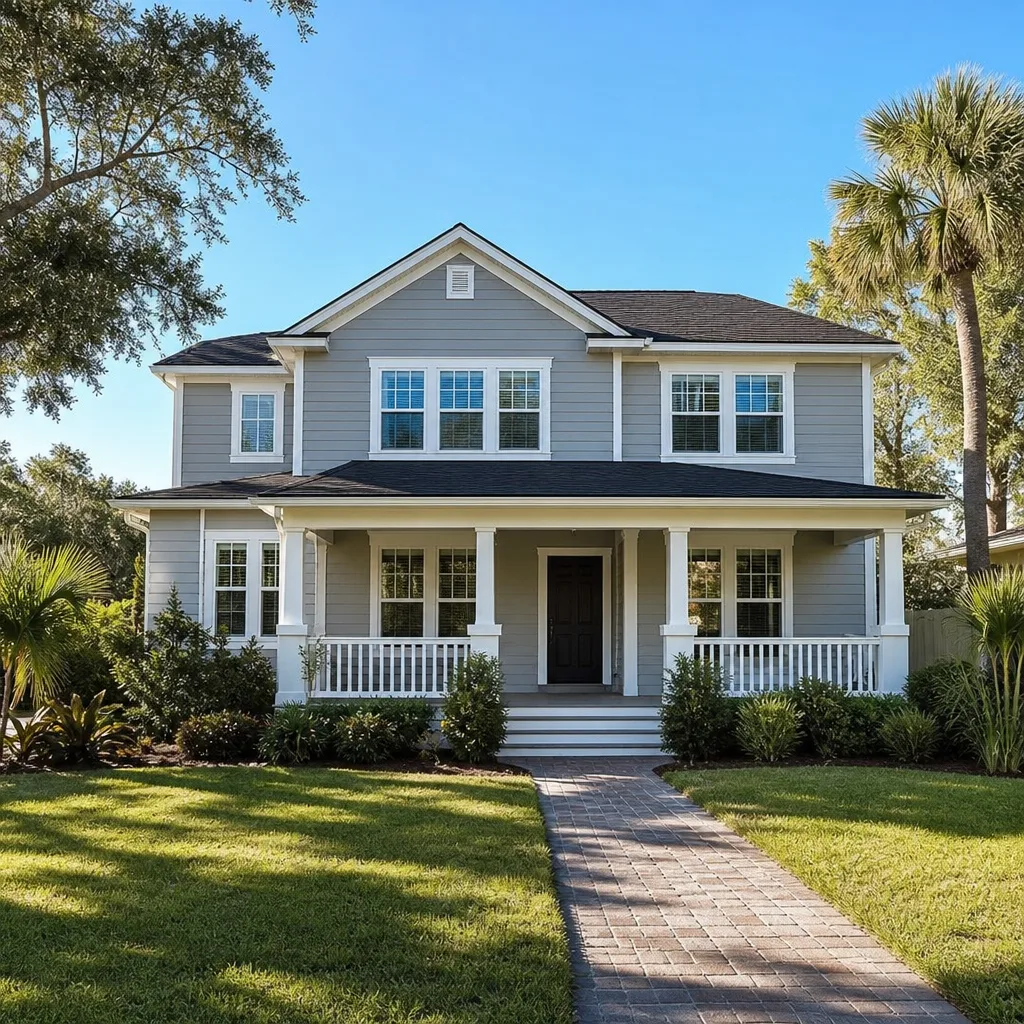
Free written scope consultation - allowances, timeline, and change-order rules on paper before a single trade is scheduled
Why San Jose Homeowners Choose Cover Construction
We’re Penhallow Remodeling San Jose, an independent contractor that handles Cover repair in San Jose, including installations and service across the city from Willow Glen ranches to Almaden Valley split-levels. Our crews have completed hundreds of Cover panel installations throughout Santa Clara County – far more than a general remodeler touches – and we carry genuine Cover panels and accessories locally for same-week turnaround. Here’s the thing most San Jose homeowners don’t hear until a wall is already open: Cover’s precision-fit panels are unforgiving about framing tolerance, and this city’s 1950s-to-1970s housing stock rarely meets that tolerance without correction. We do the correction. Call (669) 274-2362 and we’ll walk you through it.
We are not authorized by Cover. We’re independent, and that matters – we stock what we need, we repair what can be repaired, and we tell you plainly when replacement is the only honest option.
Why Trust Penhallow Remodeling San Jose for Your Cover Construction?
Trevor Nash runs our Santa Clara Cover service operation, and he picked up his first framing hammer at a summer job before studying the craft at Los Angeles Trade-Technical College. That’s grounding we lean on every time a Cover wall exposes a framing error the original builder made in 1968. You don’t become good at fixing panel seams by reading a spec sheet. You become good at it by spending two decades opening walls across the South Bay, including a run of kitchen and bath gut-jobs in Willow Glen that Trevor still counts among his cleanest finish work.
What separates our Mountain View Cover service from a handyman with a drywall knife is simple: we understand the relationship between the panel and what’s behind it. Cover Standard Wall panels carry a 1/8″ flatness tolerance over any given plane. A 1970s San Jose ranch with 24″ on-center framing and forty years of seasonal movement doesn’t meet that spec. We correct the framing before we hang the panel. We shim, plane, and re-fasten studs so the Cover panel sits dead flat – because if the substrate moves, the seam telegraphs through paint within a year, no matter how careful the butt joint.
Every Cover job leaves here with a written price before work starts and a written 365-Day Done Right Promise. If a seam opens or a corner bead pops inside that year, we come back and fix it at no charge. That’s not a warranty buried in fine print. It’s a paragraph on the front of your quote, signed.
“Give me the real problem and I’ll give you the real number.” That’s how Trevor opens most Cover diagnostics. Usually the real problem isn’t the panel. It’s the framing behind it.
Styles & brands we work with







Common Cover Construction Problems We Fix in San Jose
- Seam separation at panel joints. This is the single most common Cover failure we see in San Jose, and it’s almost never the panel’s fault. Homes built in this city’s post-war boom often use 24″ on-center stud spacing. Cover’s system assumes a flatter plane than those older walls deliver. The panel flexes slightly, the joint compound cracks, and you get that hairline vertical line that keeps reappearing no matter how many times you patch it. The fix is structural: we correct the framing plane, reinstall genuine Cover panels, and the seam stays gone.
- Corner bead and outside-corner trim deflection. If sheathing behind a Cover panel has even minor waviness – common in San Jose homes that have cycled through decades of hot, dry summers and wet winters – the corner trim can lift slightly and produce a “pillow” effect at outside corners. It gets worse when South Bay humidity swings seasonally. We pull the trim, true up the corner, and reset it with proper adhesive and fastener spacing.
- Screw back-out and texture spalling at fastener rows. In older San Jose ranch homes, studs aren’t always a clean 16″ on center. When Cover panels get screwed to inconsistent framing, the fasteners bear uneven load. Service loads – a towel bar, a floating shelf – make it worse, and you’ll see small stress cracks radiating from screw heads. We re-fasten the panel to corrected framing. Sometimes that requires removing a panel, sometimes not. We’ll tell you which before we start.
- Mismatched perimeter reveals at doors, windows, and electrical boxes. San Jose sits on adobe clay soil. It expands when wet, shrinks when dry, and over time that moves foundations by a quarter inch or more. When the foundation settles, the wall plane shifts, and suddenly your Cover panel reveals around door and window openings are no longer uniform. Standard trim can’t hide a 1/4″ undulation. The fix starts with assessing the settlement, then shimming the panel plane so reveals are true again.
- Face delamination on older Cover panels. This is the one failure we rarely repair. If moisture got behind a panel – from a slow plumbing leak or a failed exterior seal – the face can delaminate from the core. In that condition, retexturing is a band-aid. We replace the affected sheets with new genuine Cover panels. It costs more up front, but replacing a delaminated panel once is cheaper than re-cracking the same seam every season.
Cover Parts & Our Repair-vs-Replace Approach
We source genuine Cover panels and accessories through our direct supplier network. That’s not brand loyalty for its own sake. Aftermarket panels carry looser dimensional tolerance – an 1/8″ variance over a ten-foot run is enough to make a seam telegraph through eggshell paint within months. Genuine Cover panels come off the line flatter and stay flatter. For edge trim, corner beads, and fasteners, we use Cover-specified compatible hardware, because those components were engineered to work together.
When we can save the panel, we save it. If the only issue is framing movement or a substrate flaw we can correct without damaging the panel face, we repair, retexture, and match your existing finish. But if a panel shows structural damage – a crack through the core, or delamination of the face layer – we replace it. There’s no repair that a re-crack won’t undo inside one San Jose winter. We’d rather replace one sheet correctly than redo the same wall twice.
We keep standard Cover panels, trim profiles, and fasteners stocked in our San Jose shop, so most replacements don’t wait on a supplier shipment. If you’re mid-project and need a straight answer on repair versus replace, call (669) 274-2362 – we’ll tell you what we’d do if it were our wall.
Our Cover Service Process – Step by Step
- 1
Diagnosis and flatness check. We don’t guess. We run a straightedge across the affected wall to map exactly where the plane deviates from Cover’s tolerance. We note stud spacing, check for settlement indicators, and document every panel seam and corner condition. This takes about an hour and tells us whether we’re facing a panel problem or a framing problem – and they’re different jobs with different prices.
- 2
Framing correction if needed. If the underlying plane is out of tolerance, we correct it before touching a Cover panel. That means shimming low areas with 1/8″ hardboard strips, planing down high studs, or adding blocking where spacing drifts past spec. On San Jose homes with 24″ o.c. framing, this step is almost always required for a truly flat result.
- 3
Panel installation or replacement. We hang genuine Cover panels with proper adhesive and screw spacing, following the manufacturer’s core flatness requirements. On repairs, we remove only the affected sheets, preserve what’s sound, and blend the new panel into the existing plane. On full installations, we lay out the panel grid so vertical seams don’t land on high-movement stud lines.
- 4
Finishing and testing. Seams get taped and finished with Cover-compatible compound, corners get properly set trim, and we texture to match the surrounding wall. Then we run a second straightedge pass and load-test any wall that will carry cabinets, vanities, or shelving. If it’s not flat and tight, it doesn’t leave the shop as done.
- 5
Warranty in writing. Every Cover job includes our 365-Day Done Right Promise on the written quote. If a seam opens, a corner pops, or a panel fails inside a year, we come back and make it right at no charge. The work isn’t finished until you have that piece of paper.
See the difference
 Before
 After
After Before
 After
After Before
 After
AfterCover Products We Service & Install in San Jose
We work across the full Cover line: the Cover Standard Wall System used in most San Jose residential remodels, the Cover Commercial Wall System for larger residential additions and multi-unit work, the Cover Accessories Line for baseboards, trim and corner details, and the Cover Custom-Dimension Panel System when your space calls for non-standard panel sizes. We stock the Standard Wall System panels most often specified on San Jose kitchen and bath remodels, plus matching trim profiles and fasteners. Custom-dimension panels run on a short supplier lead time – we order those the day we open the wall.
Our Cover work spans three core services alongside our General Contractor services: full kitchen remodeling, full bathroom remodeling, and home additions. If you’re planning a kitchen tear-out in a 1960s Cambrian ranch or adding a primary suite to a West San Jose home, Cover walls come into the conversation as a flat, stable surface that won’t fight you the way settling clay soil likes to fight drywall.
We Also Service These Brands
Cover isn’t the only system we install. We regularly spec KraftMaid cabinetry on kitchen remodels, Cambria and Silestone quartz on countertops, and Kohler fixtures in bathrooms. That multi-brand range means we’ll recommend what fits your walls, your budget, and your house’s specific movement patterns – not whichever product we happen to carry in the truck.
FAQs – Cover Construction Service in San Jose
Yes, but only if the framing is corrected first. Seams telegraph through paint when the underlying stud plane exceeds Cover’s 1/8″ tolerance, and 24″ on-center framing in older San Jose homes almost always drifts past that. We plane down high studs, shim low areas with 1/8″ hardboard strips, and add blocking where spacing wanders. Once the plane is corrected, seams finish tight and stay that way. We’ve seen a 1970s Almaden Valley split-level come out with seams invisible under eggshell paint three years later – but the framing correction was the whole job. Call (669) 274-2362 and we’ll check your plane before you spend anything.
Usually not. Stress cracks around screw heads mean the fastener is bearing uneven load, typically because studs aren’t consistently placed or the panel is flexing under service loads. We map the framing, re-fasten the panel to corrected structure, and retexture the area. Replacement is only necessary when the panel core itself has cracked through or the face has delaminated. Get an honest read on that with a call to (669) 274-2362 – we’ll tell you straight whether it’s a repair or a replace.
Yes, but you need to mount through the panel into solid framing – not into the panel itself. Cover panels handle compressive and surface loads well, but they weren’t designed as a hanging substrate. When we install kitchen cabinets or a floating vanity on a Cover wall, we locate or add blocking behind the panel and run mounting screws through into that framing. That transfers the load where it belongs. A cabinet hung directly into a Cover panel will eventually pull its fasteners and damage the face. We plan blocking before the panel goes up so the wall is ready for whatever you’re hanging.
Because the screws weren’t your problem – the plane behind them was. Cover’s specified fasteners assume the sheathing and framing behind the corner is within tolerance. In San Jose homes with minor sheathing waviness, the corner trim deflects slightly and pops loose even with correct fasteners. It’s the “pillow” effect at outside corners, and it gets worse when humidity swings. The fix is truing the corner plane, re-setting the trim with proper adhesive and fastener spacing, then cornering the drywall finish. Call (669) 274-2362 and we’ll find out what’s actually moving behind that bead.
We use Cover-compatible compound and tape, which are matched to the panel’s surface texture and expansion rate. Generic drywall compound sets harder and more brittle than Cover’s panel surface, which makes seams crack under the same movement a Cover-spec product absorbs. On finishes that will be seen – kitchen walls, hallway runs, anything under raking light – the compatible compound matters. It’s a small material cost difference that prevents a callback nobody wants.
Cover work is priced within the scope of the larger remodel, because the wall system is never the only thing the job touches. Here’s what San Jose homeowners should expect for projects that include Cover wall installation:
| Project | Price Range |
|---|---|
| Full Kitchen Remodeling with Cover wall system | $16,520 – $53,100 |
| Full Bathroom Remodeling with Cover wall system | $10,620 – $33,040 |
| Home Addition with Cover wall panels | $53,100 – $153,400 |
Those ranges shift based on framing correction, room size, panel type, and finish level. Call (669) 274-2362 for a written quote on your specific walls – estimates are free, and the number we give you is the number you’ll see on the invoice.
Book Your Cover Service in San Jose, CA
If your Cover walls are cracking, popping, or just not flat, call us at (669) 274-2362. We’ll schedule a diagnostic visit, tell you exactly what’s happening behind the panel, and put a written price in your hand before any work starts. Trevor and the crew serve San Jose and the surrounding South Bay – and we answer the phone.
Written by Trevor Nash, Owner at Penhallow Remodeling San Jose, serving San Jose since 2004.


