


Free written scope consultation - allowances, timeline, and change-order rules on paper before a single trade is scheduled
Silestone Kitchen Remodeling: The San Jose Owner’s Guide
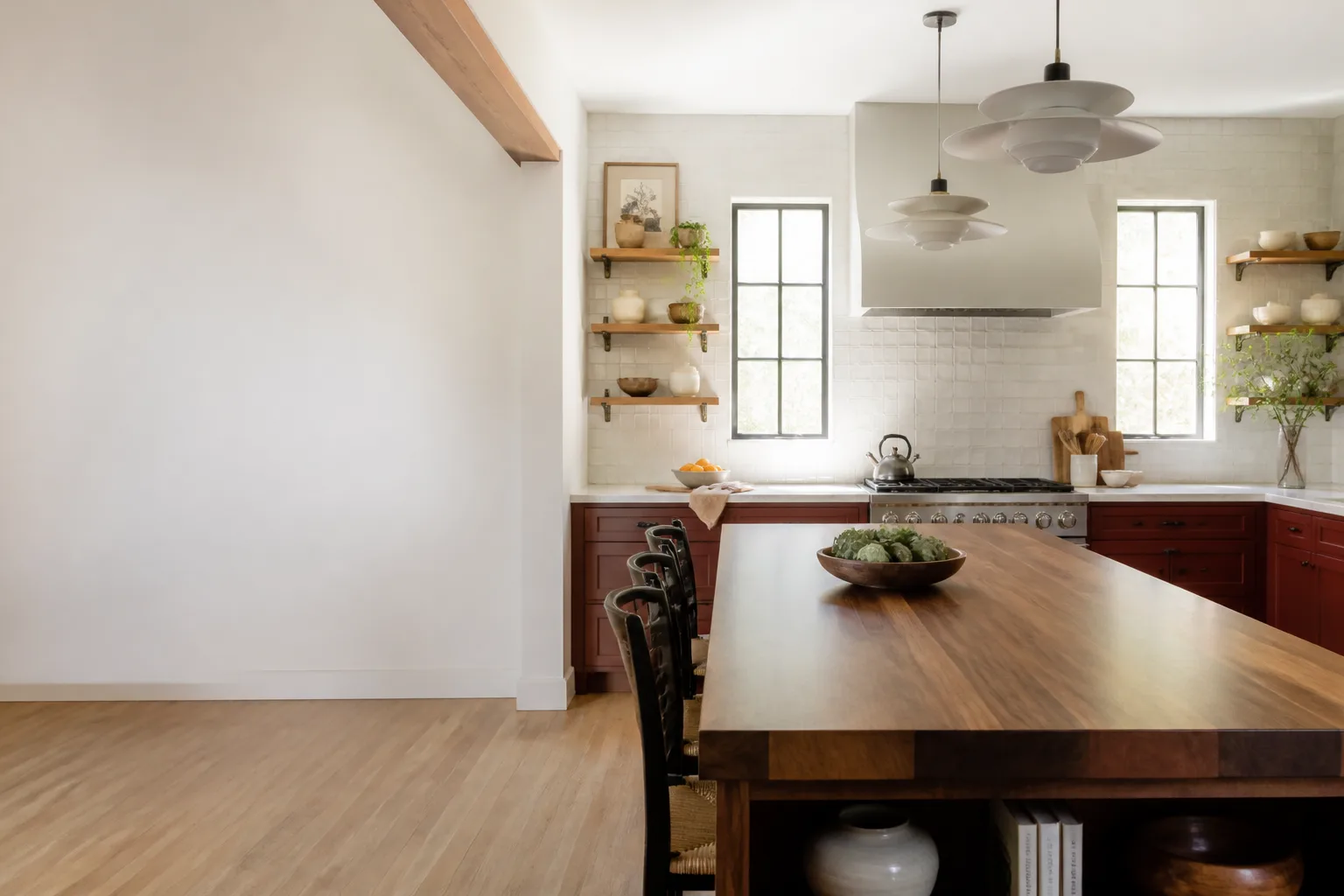
Silestone kitchen remodeling in San Jose typically runs $16,520 to $53,100 for a full kitchen, and most Silestone countertop-focused projects fall between $2,360 and $7,670 for installation plus slab work. We keep Silestone-compatible edge profiles, seam kits, and substrate materials on the truck for the most common San Jose layouts, so a countertop or island job can often be scheduled within the same week. What usually brings a homeowner to this page is a cracked seam, a chipped edge, a sink cutout that’s begun to separate, or a countertop that’s delaminated around the dishwasher vent. The first thing to know: you’re not alone, and it’s almost always repairable or replaceable without gutting the kitchen.
If you’ve got a Silestone surface that’s failed or failing, the real question is rarely “how hard is this to fix.” It’s “who in San Jose actually knows this material well enough to match the color, re-cut the edge, and stand behind it.” That’s where we come in.
Which Silestone Models This Applies To
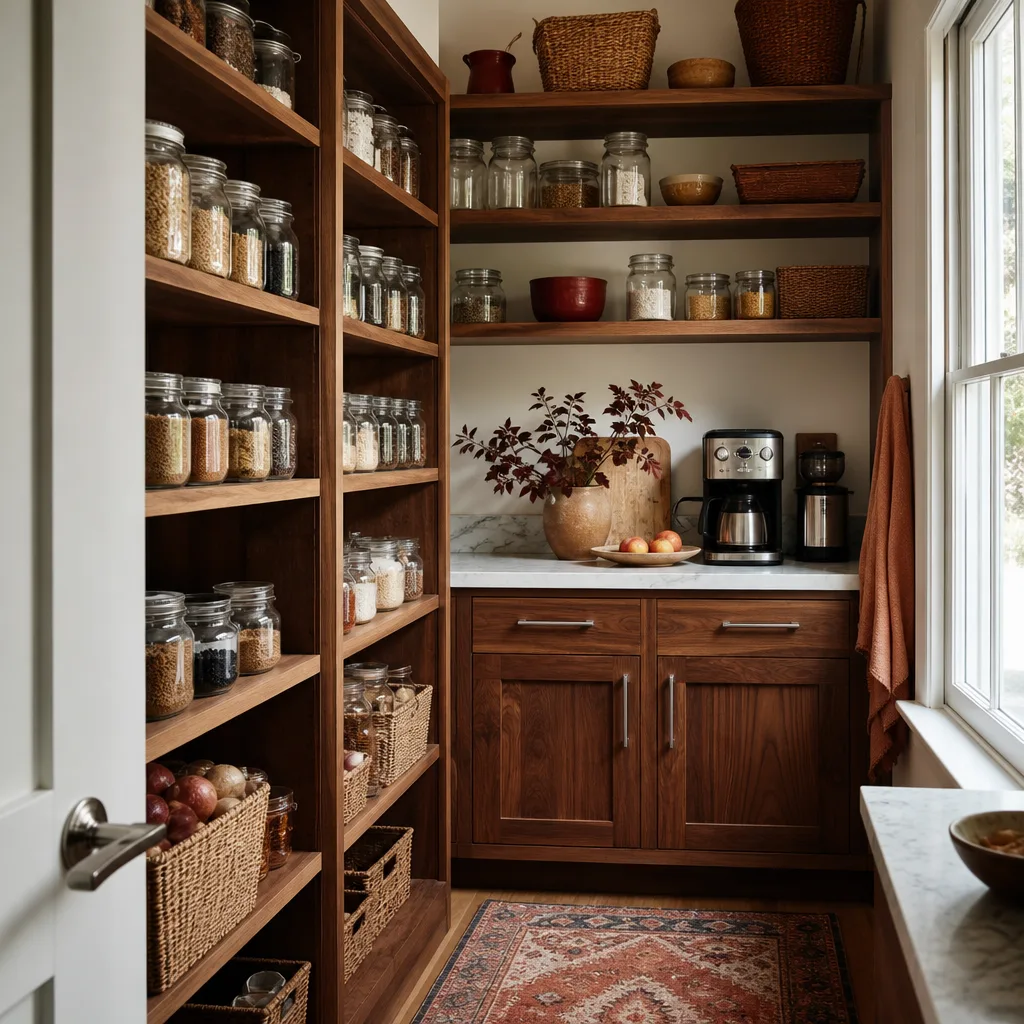
Silestone is a quartz surface made by Cosentino, and over the years the brand has released several distinct series: the Classic (now mostly retired for new sales), the Loft series with its soft matte finish, Sunlit Days, Le Chic, and the newer HybriQ+ line, which Cosentino introduced as a lower-crystalline-silica formulation. The practical compatibility question for a San Jose homeowner is not the marketing series name; it’s the slab thickness and the edge profile. Silestone slabs come in 1.2 cm, 2 cm, and 3 cm thicknesses. Most San Jose kitchens built after 2010 have 2 cm or 3 cm tops. If you have a 1.2 cm slab, you’re almost certainly looking at a project that goes back to the original fabricator’s install date, because that thickness is generally used only for verticals or budget builds.
Here’s the compatibility gotcha that trips people up: Silestone has changed its color formulations over time. A “White Zeus” slab from 2012 and a “White Zeus” slab cut in 2024 are close, but not identical. Quartz dye lots shift slightly, the same way tile lots shift. If we’re patching a section or extending an island, we match against your existing installed piece, not just the color name on your paperwork. We also carry a small library of sample chips for the most common San Jose colors: White Zeus, Eternal Statuario, Calacatta Gold, Cemento Spa, and Charcoal Soapstone. On the aftermarket side, we work with two California fabricators who cut Silestone slabs to our template, and we install with the same seam and substrate standards Cosentino specifies for certified fabricators.
Styles & brands we work with







Signs Your Silestone Kitchen Remodeling Needs Attention
- Cracks radiating from the sink cutout. The narrow strip of quartz between the sink basin and the countertop edge is the highest-stress point on any Silestone surface. In San Jose homes with older cast-iron sinks or garbage disposals that vibrate, that strip is the first thing to crack. The cause is usually a sink that’s pulling away from the underside seal, transferring weight to the stone instead of the cabinet.
- Seam separation at the center joint. If your kitchen runs an L-shape or a long galley, there’s a seam somewhere. A healthy Silestone seam is nearly invisible; a failing one looks like a dark hairline that slowly widens. This usually means the cabinet below has settled, or the original installer used the wrong seam adhesive for the heat and humidity swings we get in San Jose between the dry inland valleys and the coastal fog belt.
- Chips along the front edge or at the corners. Quartz is tough, but a dropped cast-iron pan on the front lip can take a triangular chip out of the edge profile. These are repairable in most cases without replacing the slab, if the chip isn’t so large that color-matched filler would be obvious.
- Discoloration or haze around the faucet deck. Silestone is engineered to be low-porosity, but repeated water pooling at the faucet base can leave mineral haze on darker colors. It’s not a structural failure; it’s a seal and polish issue we can address with the right abrasives and a fresh perimeter bead.
- Island overhang flex. If your island has a breakfast-bar overhang and you can feel the edge deflect when you lean on it, the subtop or the corbel spacing is undersized. The Silestone isn’t failing; the support structure beneath it is. Fixing this early is the difference between a $950 correction and a cracked slab replacement.
See the difference
 Before
 After
After Before
 After
After Before
 After
AfterReplacement Cost & What’s Included
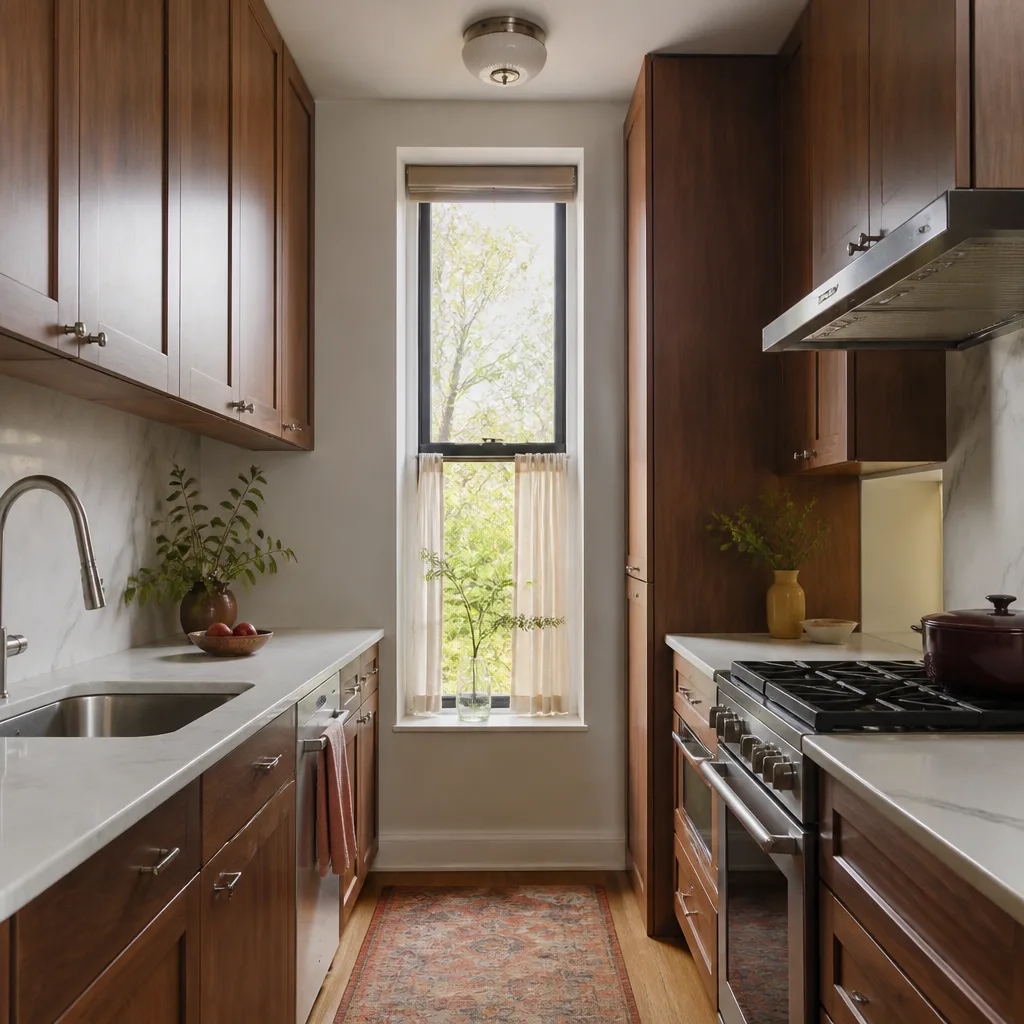
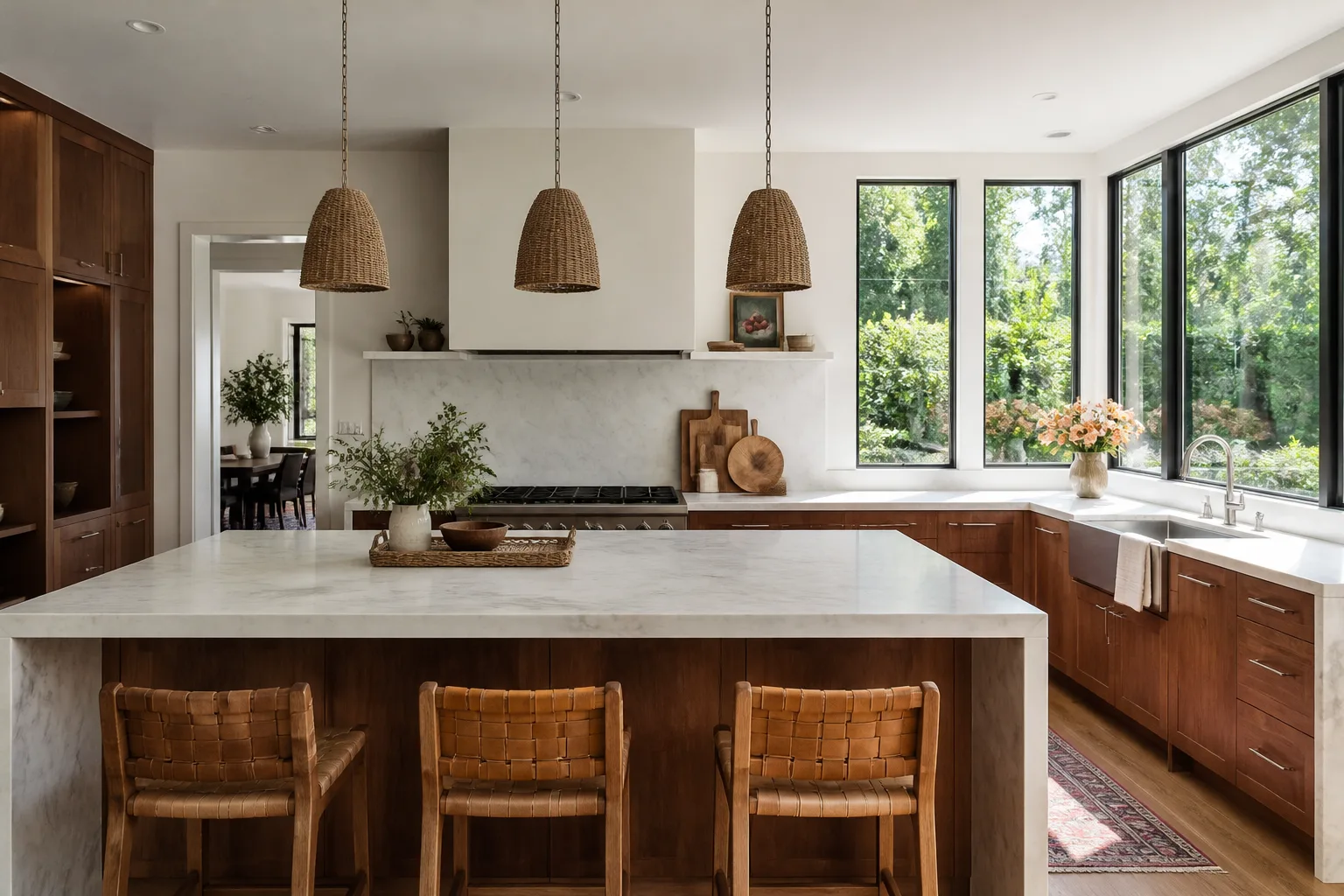
San Jose is a higher-cost market for kitchen remodeling, and Silestone work sits at the upper tier because the material itself is a premium quartz. Countertop installation runs $2,360 to $7,670 depending on slab size, edge profile complexity, and whether you’re doing a straightforward straight-run or a kitchen in Willow Glen with a waterfall island and a mitered edge. The full-kitchen range of $16,520 to $53,100 includes cabinet work, countertop fabrication and installation, sink and faucet hardware, and backsplash.
What drives the number up? Mitered edges, bookmatched slabs, integrated sink cutouts, and any custom radius work. What keeps it down? A simple replacement that reuses your existing cabinet boxes, a standard eased edge, and a straight-line layout. We write a line-item price before we start, on every job. The number on day one is the number on the final invoice, and every Silestone install carries our 365-Day Done Right Promise: if something fails inside the guarantee period, we come back and fix it at no charge. The free return visit is part of the written guarantee, not a favor we’re doing you.
DIY or Call Us?
A homeowner can safely do a few things before calling anyone: wipe the suspected seam with a damp cloth and look for a true gap under bright light, check the cabinet doors beneath the countertop for looseness, and feel for flex on any overhang. What you shouldn’t do is attempt to glue a separated Silestone seam with a hardware-store adhesive, try to sand out a deep scratch with a random orbital sander, or attempt to reset a sink that’s pulling away from the stone. Silestone dust has a high crystalline silica content, and the binders and color-matching systems we use are not sold retail for a reason. You can make a hairline crack worse and cost yourself a slab.
If you’ve spotted something that doesn’t look right, call Trevor and the team at Penhallow Remodeling San Jose at (669) 274-2362. We’ll walk you through what we’re seeing over the phone, then show up with the right tools and a written number before we do any work.
FAQs
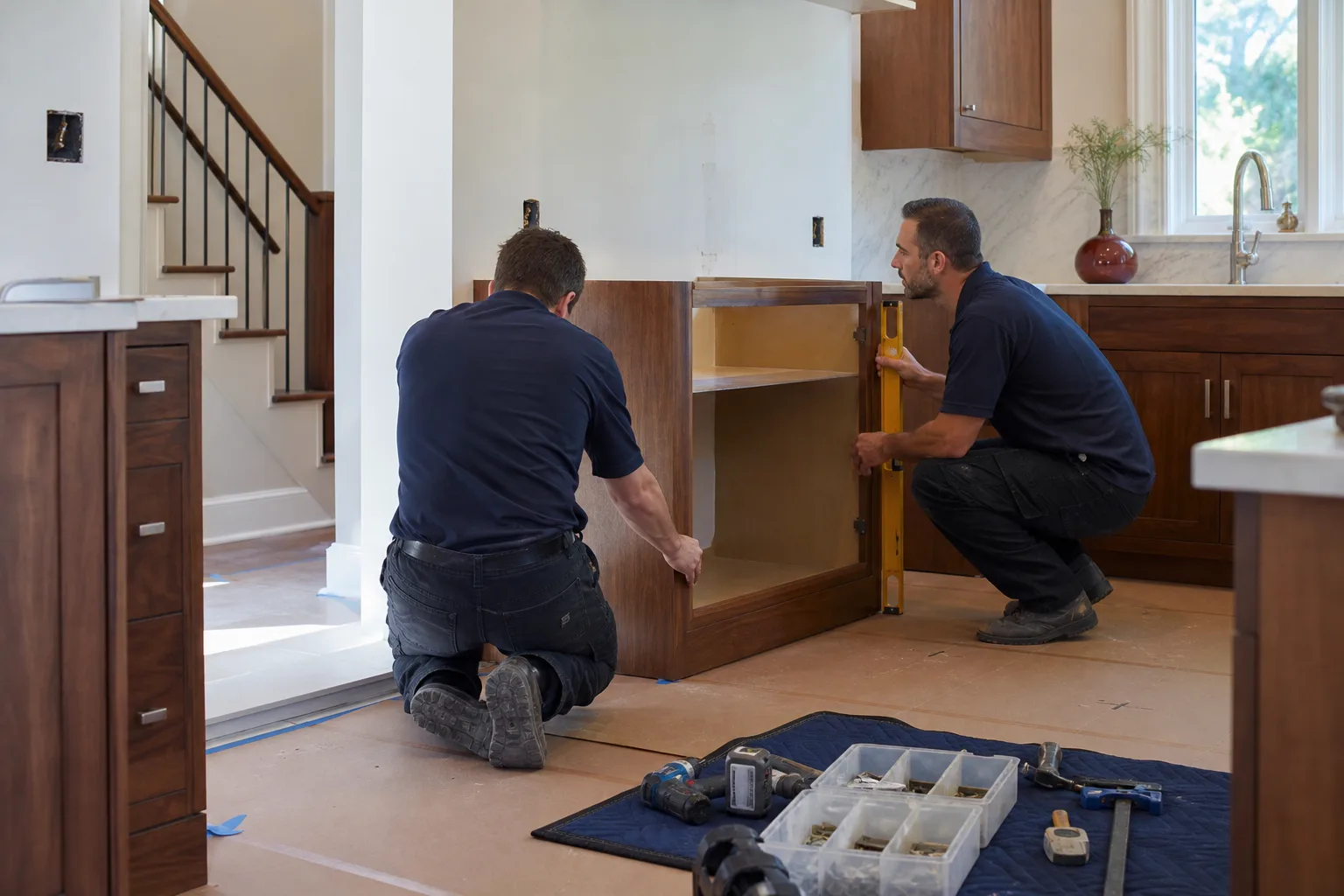
Silestone is warrantied by Cosentino for 25 years for residential use, but in practice a properly installed Silestone countertop in a San Jose home lasts 20 to 30 years before most owners replace it for style reasons rather than failure. The failure we see is rarely the quartz itself; it’s the seam, the substrate, or the support structure, which is why we focus our work plans on those points.
Call (669) 274-2362 for an exact assessment of your countertop’s condition and a written number for the fix.
Yes, most cracks in Silestone can be repaired if the underlying flex issue is addressed first. We inject a color-matched acrylic into the crack, then polish it down so the repair is not visible from standing height. If the crack is wider than a penny’s edge or the slab is delaminating at the seam, replacement becomes the smarter option.
For a quote on repairing a cracked Silestone surface, call (669) 274-2362; estimates are free and written, not verbal ballparks.
Most San Jose Silestone replacements take 7 to 14 days from template to installed countertop. The template and measure takes one visit, fabrication at our partner shops runs 5 to 10 business days depending on edge complexity, and the install itself is typically one day with a two-hour window we agree on in advance.
Call (669) 274-2362 if you’re working with a tight timeline and we’ll tell you honestly what’s possible.
We don’t warehouse full slabs; we work with two California fabricators who stock the most common San Jose colors and can source any active Cosentino SKU within a few days. We keep a small chip library on hand for color matching against an existing installed surface, which matters more than a showroom full of slabs when you’re trying to match a 2015-era White Zeus.
Trevor keeps the chip kit in the truck, so we can check a color match on the same visit as the measure.
Written by Trevor Nash, Owner, Penhallow Remodeling San Jose at Penhallow Remodeling San Jose, serving San Jose and nearby areas.


