
Free written scope consultation - allowances, timeline, and change-order rules on paper before a single trade is scheduled
Owens Corning Home Additions & ADU: The San Jose Owner’s Guide
If you’re planning a home addition or ADU in San Jose, Owens Corning insulation and building materials are the right starting point, and getting the insulation, roof decking, and weather barrier matched correctly to your addition matters more than most people expect. A full home addition in San Jose typically runs $53,100 – $153,400, while a detached ADU lands between $106,200 – $259,600. The Owens Corning components inside those projects, the insulation batts, rigid foam, and weather barriers, don’t fail all at once. They degrade in specific ways: compressed batts lose R-value, roof decking develops soft spots from trapped moisture, and if your addition was framed with the wrong insulation depth for San Jose’s Title 24 requirements, you’ll feel it in your energy bill before you see anything wrong.
Most homeowners don’t discover an Owens Corning product issue until a room stays hot in summer or cold in winter no matter what the thermostat says. Sometimes it’s an inspection finding during a remodel. Either way, you need someone who knows the materials and how they should have been installed in the first place.
Which Owens Corning Models This Applies To
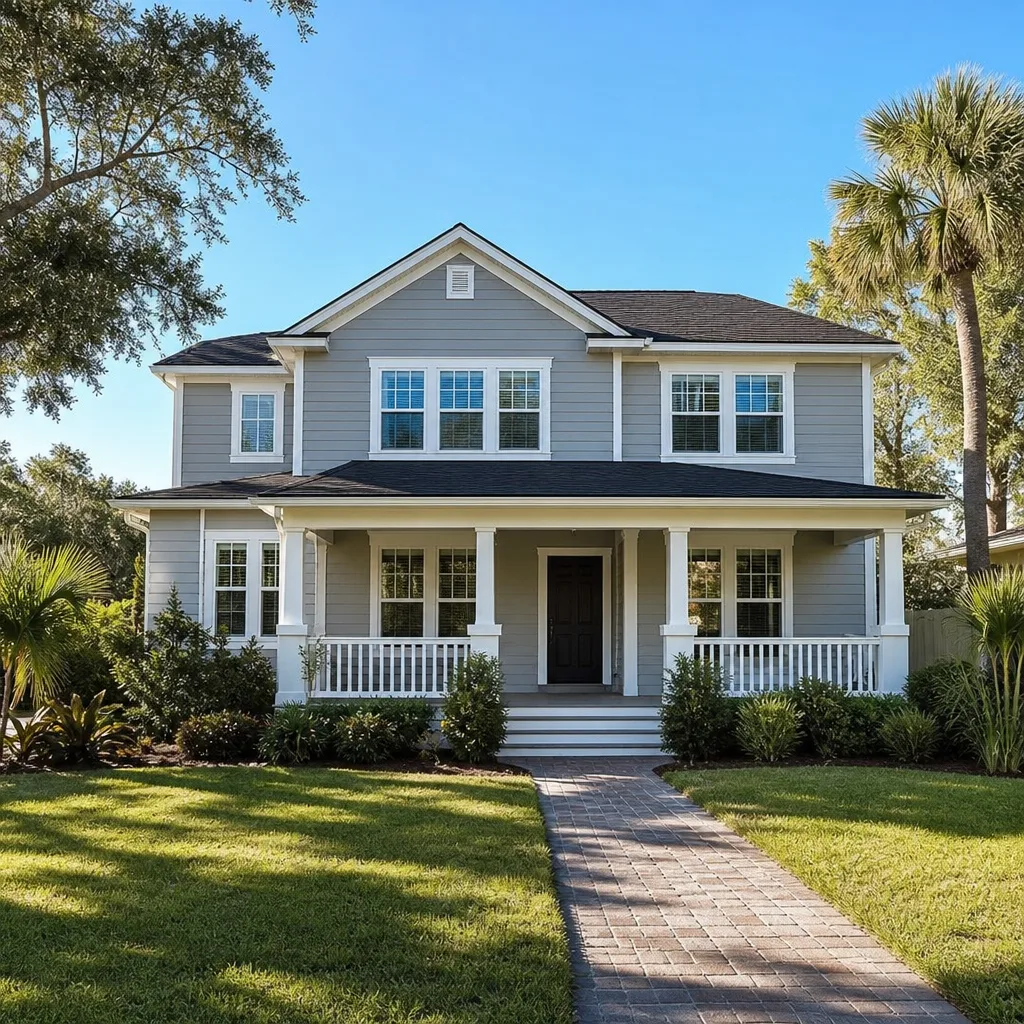
Owens Corning makes several product lines that go into San Jose additions and ADUs, and the compatibility issues are real. The big three we work with are EcoTouch PINK FIBERGLAS insulation (batts and rolls, available in R-13, R-19, R-21, R-30, and R-38), FOAMULAR XPS rigid foam board (R-5 per inch, common in 1-inch and 2-inch thicknesses for exterior continuous insulation), and Owens Corning Roof Decking or underlayment products paired with their shingles. The R-value you need depends on where the material goes. San Jose is in Climate Zone 3, which under California Title 24 means attic insulation should hit R-38 to R-49, walls R-13 to R-21, and slab or raised-floor insulation R-19 or better depending on your addition’s foundation type. If your original addition from a previous contractor used R-13 in the ceiling, that’s a code fail for current standards and explains a room that never holds temperature.
We install Owens Corning products as part of our addition and ADU framing packages. We’re an independent San Jose general contractor, not affiliated with Owens Corning, but we source their materials from recognized local suppliers because the brand’s consistency means fewer callbacks. When a homeowner asks about OEM versus aftermarket, the honest answer is that Owens Corning fiberglass batts don’t have a meaningful aftermarket equivalent worth using. The tolerances on width and thickness matter for air sealing, and cheap knockoff batts compress unevenly. For exterior foam, we’ll spec Owens Corning FOAMULAR or a code-approved equivalent depending on the project, but we default to Owens Corning because the compressive strength ratings are documented and consistent.
How to identify what you have: look for the pink or yellow facing with the Owens Corning logo printed on it, or check the facing paper for an R-value stamp. For rigid foam, the board itself is printed with the product name and R-value along the edge. If it’s unlabeled, measure the thickness and we can tell you what R-value it’s delivering.
Styles & brands we work with







Signs Your Owens Corning Home Additions & ADU Is Failing
- The room won’t hold temperature, no matter what the thermostat says. This is the most common failure we see in San Jose additions. Compressed or gap-filled insulation batts let conditioned air escape at the top plate and rim joist. The fix is usually pulling the drywall back and re-insulating the problem wall or ceiling cavity.
- Your energy bill climbed steadily after the first year. Fiberglass insulation that was installed wet or compressed loses R-value permanently. If you can’t access the wall cavity, an infrared camera scan can show exactly where heat is leaking.
- You can feel drafts near outlets, baseboards, or window framing in the addition. This means air sealing failed behind the drywall. Insulation slows heat transfer; it doesn’t stop airflow. Without proper air sealing at penetrations, even correctly installed Owens Corning batts won’t perform.
- The addition’s roofline or ceiling shows water staining, soft spots, or sagging drywall. Owens Corning decking and underlayment handle San Jose’s wet winters fine when flashed correctly. When they don’t, the insulation above the ceiling gets wet, compresses, and loses its R-value. This one needs a roof inspection before any insulation replacement happens.
- The ADU or addition fails a Title 24 energy inspection. San Jose enforces California energy code on permitted additions. If your previous contractor didn’t pull permits or skimped on insulation depth, the inspector will flag it. We’ve corrected several of these where the fix was adding a layer of rigid foam to meet the continuous insulation requirement.
See the difference
 Before
 After
After Before
 After
After Before
 After
AfterReplacement Cost & What’s Included
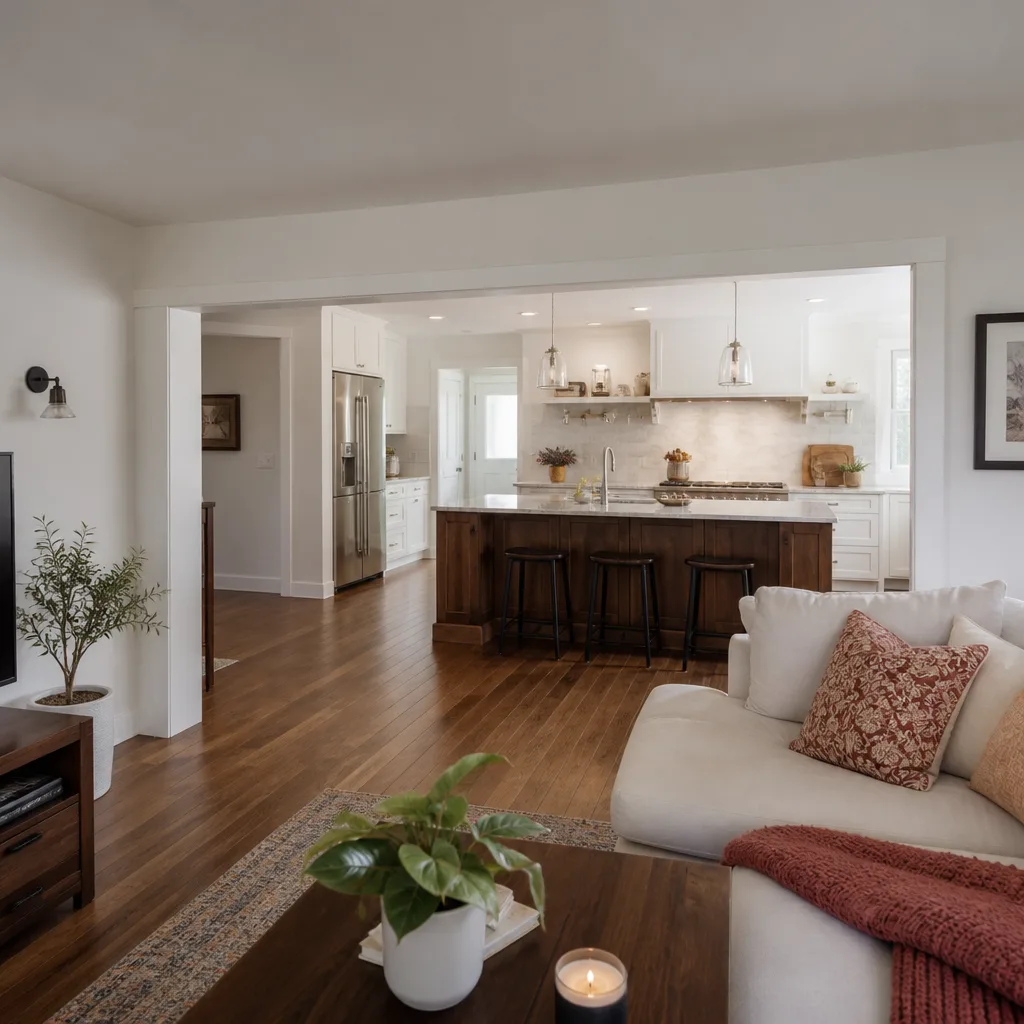
If the Owens Corning insulation or related building materials inside your San Jose addition or ADU need correction, a full re-insulation of a typical addition runs $4,700 – $15,340 depending on cavity accessibility, insulation type, and whether drywall needs to be removed and patched. A full home addition or new ADU build is a much bigger number, which is where the $53,100 – $153,400 and $106,200 – $259,600 ranges come in. What drives the cost: whether we’re working in an open attic (fast, less labor) or opening finished walls (slower, includes drywall repair and paint), the depth of insulation required, and whether the roof decking or weather barrier also needs attention.
Every re-insulation quote from us is a written number before any work starts. Not a range, not a verbal ballpark. You get a line-item breakdown covering materials, labor, and any drywall or framing work included. The work is covered by the 365-Day Done Right Promise, which means if the insulation fails or the air sealing doesn’t hold inside a year, we return and fix it at no charge, in writing, on every project.
DIY or Call Us?
Insulation work in an open attic is something a careful homeowner can tackle. You can inspect batts, check for compression, and add a layer of unfaced fiberglass on top of existing insulation without opening walls. The mistakes happen when people try to re-insulate closed wall cavities on their own. Opening drywall, pulling old batts without proper dust control, and re-sealing the envelope correctly takes tools and experience. Fiberglass is an irritant to skin and lungs, and a bad air-sealing job just means you’ve paid twice for the same problem.
If you’re not sure what’s going on inside your addition’s walls, call us at (669) 274-2362 and we’ll take a look. Trevor Nash will tell you whether you actually need the work or not. Give me the real problem and I’ll give you the real number, that’s how we’ve always run it.
FAQs
Owens Corning fiberglass insulation lasts 20 – 30 years when installed correctly and kept dry. The factors that shorten it in San Jose are moisture intrusion from roof leaks, rodent activity in attics, and compression from someone storing boxes or walking on it. If it’s been wet or crushed, its R-value doesn’t recover.
Sometimes, yes. If the batts are intact but compressed in a few spots, we can fluff and re-seat them. If they’re water-damaged, moldy, or full of rodent droppings, replacement is the only responsible fix. We’ll tell you which one you’re looking at before quoting any work. Call (669) 274-2362 for an exact assessment.
A typical open-attic re-insulation takes one day. A project that requires opening finished walls, pulling old material, re-insulating, and re-drywalling runs three to five working days depending on square footage. We give you a written arrival window before any work starts, and a real person answers the phone 24/7 if you have questions mid-project.
We stock common Owens Corning R-19 and R-30 batts and FOAMULAR rigid foam on our San Jose trucks for immediate re-insulation jobs. Specialty R-values or larger material volumes are picked up from our local supplier same-day. We also work with KraftMaid, Cambria, and Silestone products on larger addition and ADU projects, but Owens Corning is our default for insulation and weather barrier because of how consistently it performs.
Written by Trevor Nash, Owner, Penhallow Remodeling San Jose at Penhallow Remodeling San Jose, serving San Jose and nearby areas.


