
Free written scope consultation - allowances, timeline, and change-order rules on paper before a single trade is scheduled
IKO Home Additions & ADU: The San Jose Owner’s Guide
We install and build IKO-compatible home additions and ADUs throughout San Jose, and a full project typically lands between $53,100 and $153,400 depending on square footage, foundation work, and the finishes you choose. Most owners discover they need us when a previously “completed” addition starts showing drywall cracks at the roofline, the ADU’s mini-split can’t keep up, or water is pooling where the new roofline meets the original house. The short version: if your addition or ADU was built on the cheap, the failure points show up in the first two to three wet seasons, and we spend a lot of time correcting the connections that were never flashed, sealed, or framed properly in the first place.
Which IKO Models This Applies To
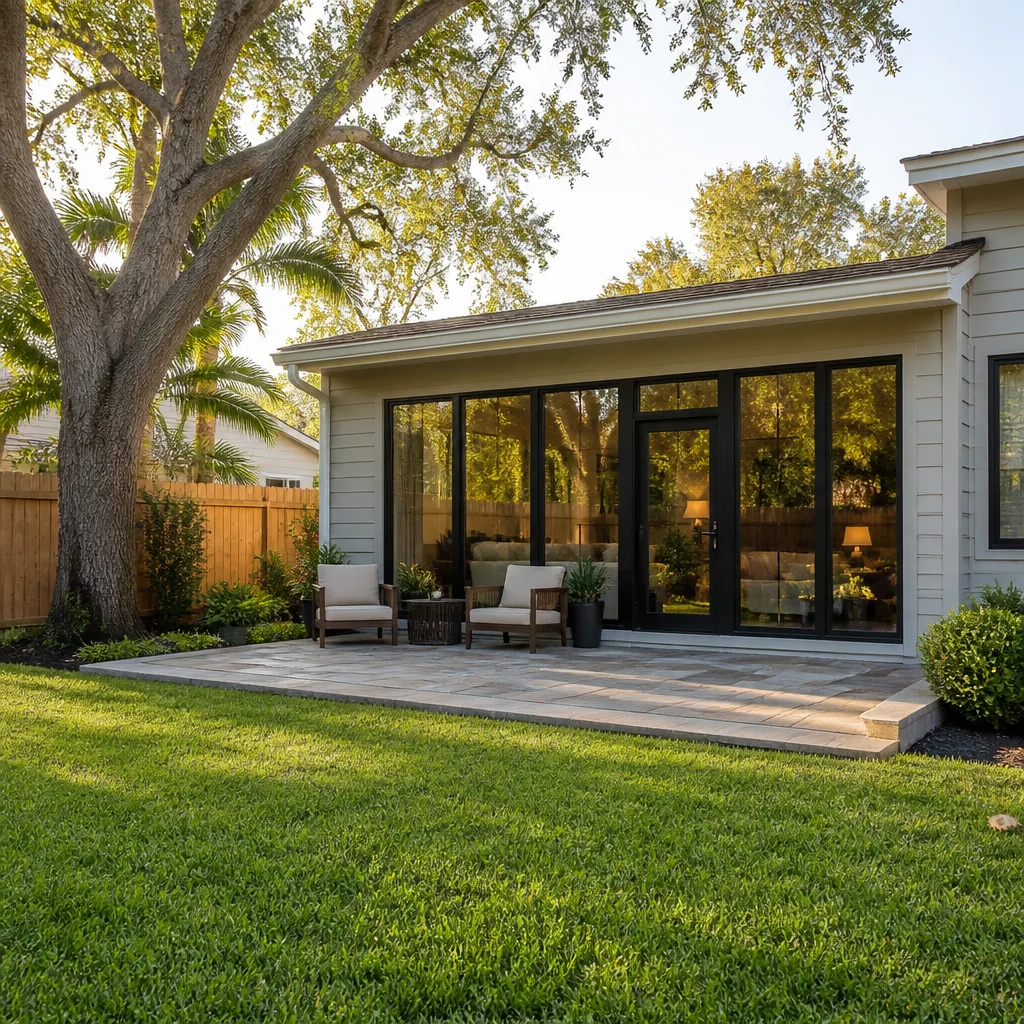
IKO is primarily a roofing and waterproofing manufacturer, not a structural framing system, so when we talk about “IKO Home Additions & ADUs” in San Jose, we’re usually talking about the IKO roof assemblies, underlayments, and waterproofing membranes that sit on top of the addition or accessory dwelling unit. The compatibility question matters most at the roofline transition, where the addition ties into the original structure. IKO’s Cambridge and Dynasty shingle lines have different exposure widths, and the starter strip and ridge cap have to match the field shingle series or the wind warranty at the edges gets voided. Aftermarket underlayments often get substituted for IKO’s Armourbase or StormShield products. Some hold up fine in San Jose’s dry summers; others delaminate after one winter of heavy rain. We spec IKO-compatible materials with matching fasteners and flashing, because a mismatched nail pattern on an IKO shingle is the fastest way to watch a roof deck rot out in Santa Clara County’s wet season.
One checkable gotcha: IKO shingle warranties require a specific number of fasteners per shingle depending on the slope. On a low-slope ADU roof (common with some San Jose detached units), IKO requires six nails per shingle, not four. If the original installer used four, the wind warranty is void, and we’ve seen shingles lift off on Almaden Valley ADUs during dry northerly wind events in the fall.
Styles & brands we work with







Signs Your IKO Home Additions & ADU Is Failing
- Drywall cracks at the roofline junction: The addition’s framing expands and contracts at a different rate than the original house. If the roofline tie-in wasn’t properly floated with a slip joint or expansion allowance, the crack reappears every year no matter how many times it gets patched with joint compound. The fix is structural, not cosmetic.
- Water stains on the ceiling of the addition, not the main house: This usually means the flashing at the transition point was underlapped instead of properly stepped, or the original roofer used roofing cement that dried out in two San Jose summers. Water follows gravity and finds the seam.
- Mini-split can’t maintain temperature in the ADU: Most San Jose ADUs are under-insulated at the roofline. IKO’s ventilation products assume a certain R-value at the ceiling plane. Skip the insulation and the shingles bake from the inside out, which shortens the roof’s life and makes the space miserable in July when the temps hit the high 80s.
- Shingles granulating heavily into the gutters: If the gutters on the addition are filling with gray granules after every rain, the IKO shingles are at end-of-life or were installed over a failed underlayment. The granule loss is the first sign the mat is breaking down.
- Ridge cap lifting or splitting: The ridge cap shingles on an addition take more thermal movement than field shingles, especially on a south-facing San Jose roofline. If the caps are splitting, the original installer likely bent them over a ridge line that was too sharp or used a mismatched cap shingle.
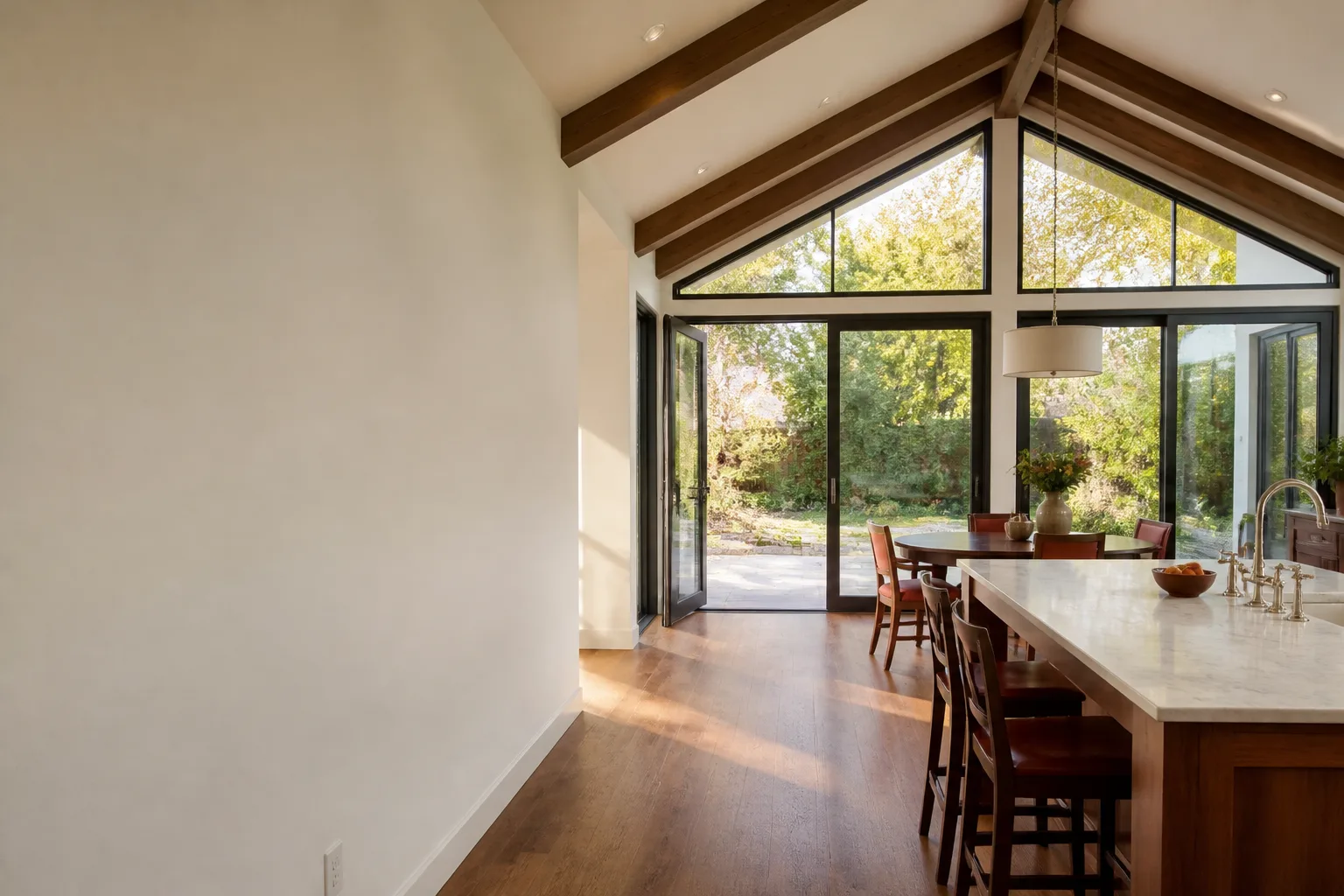
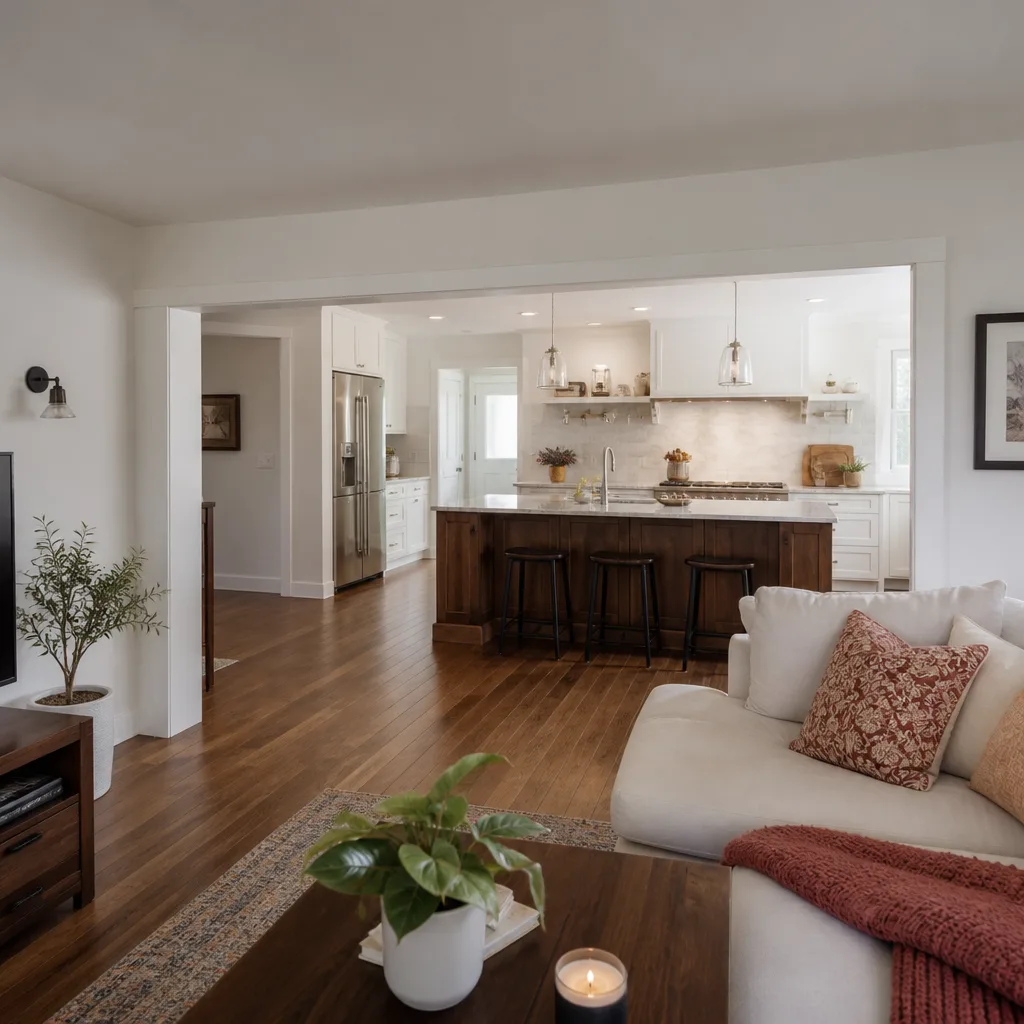
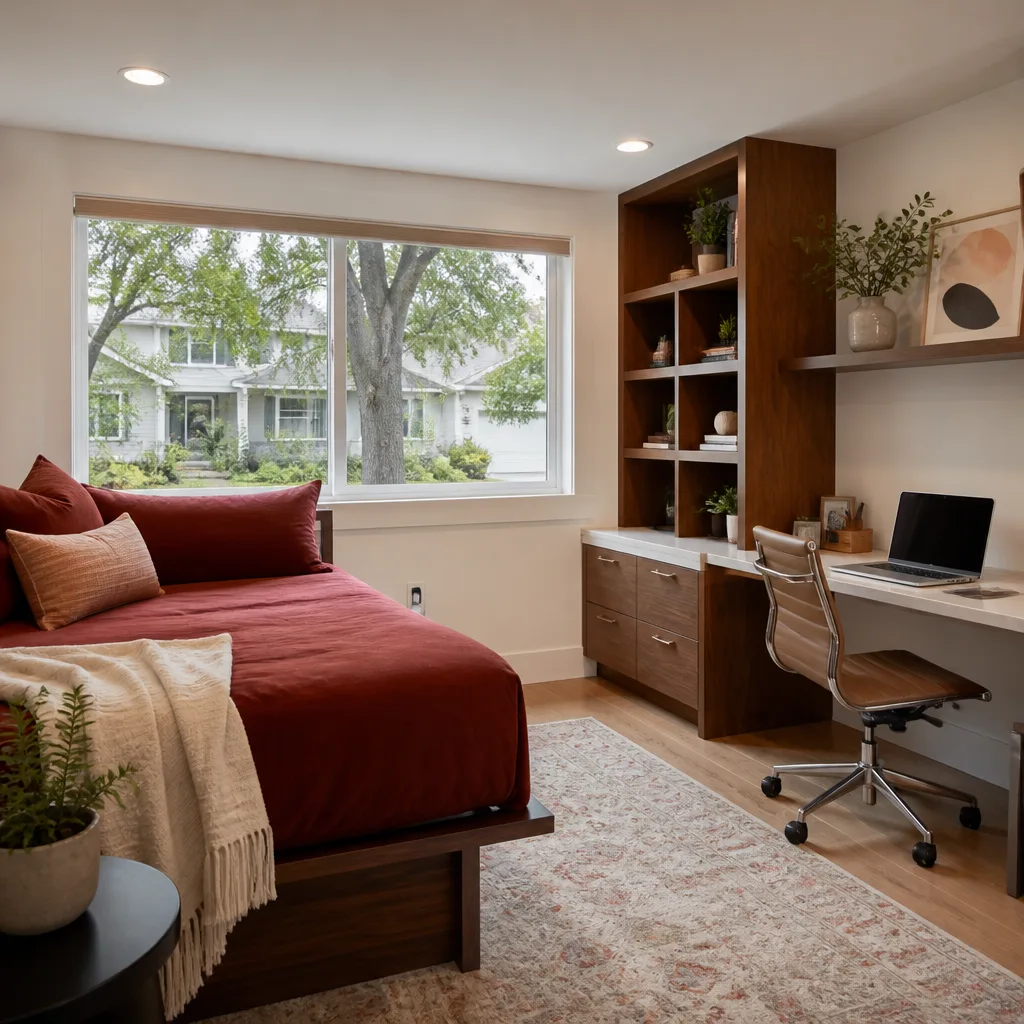
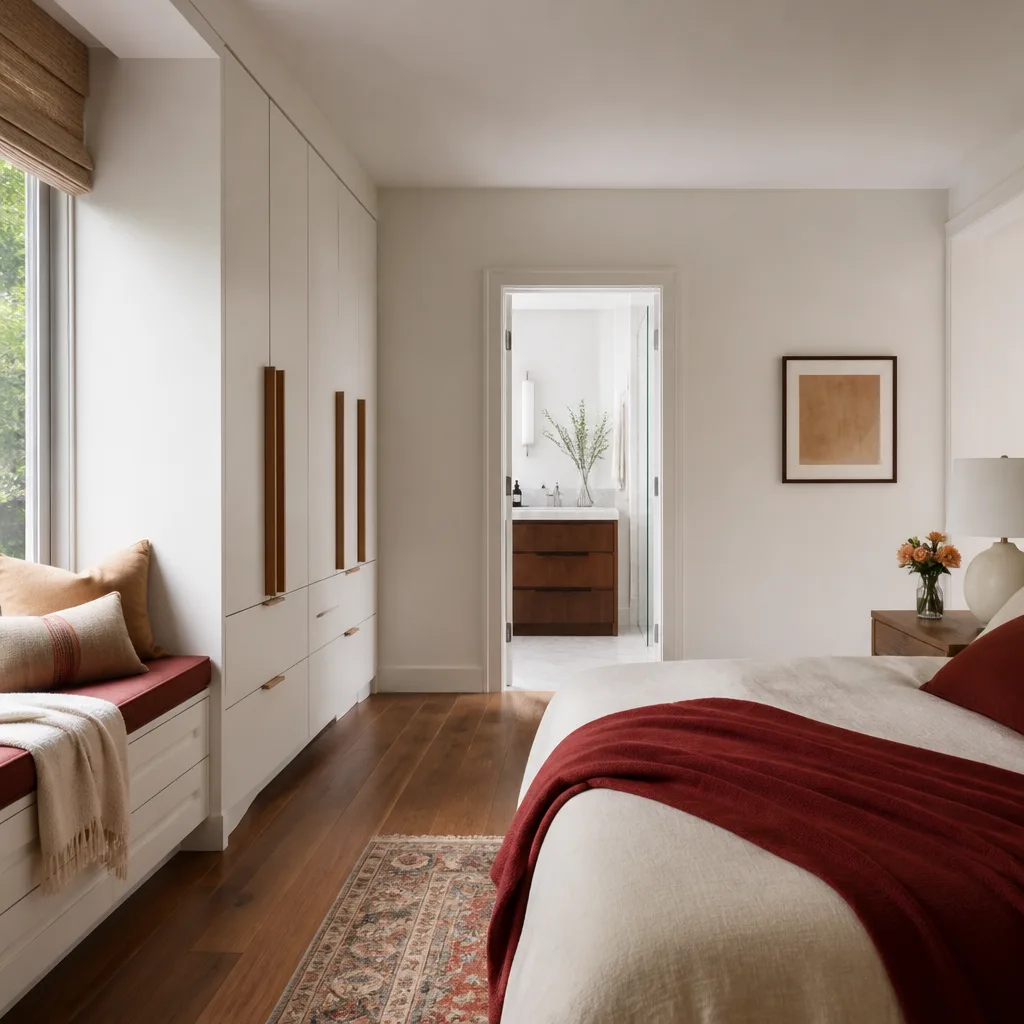
See the difference
 Before
 After
After Before
 After
After Before
 After
AfterReplacement Cost & What’s Included
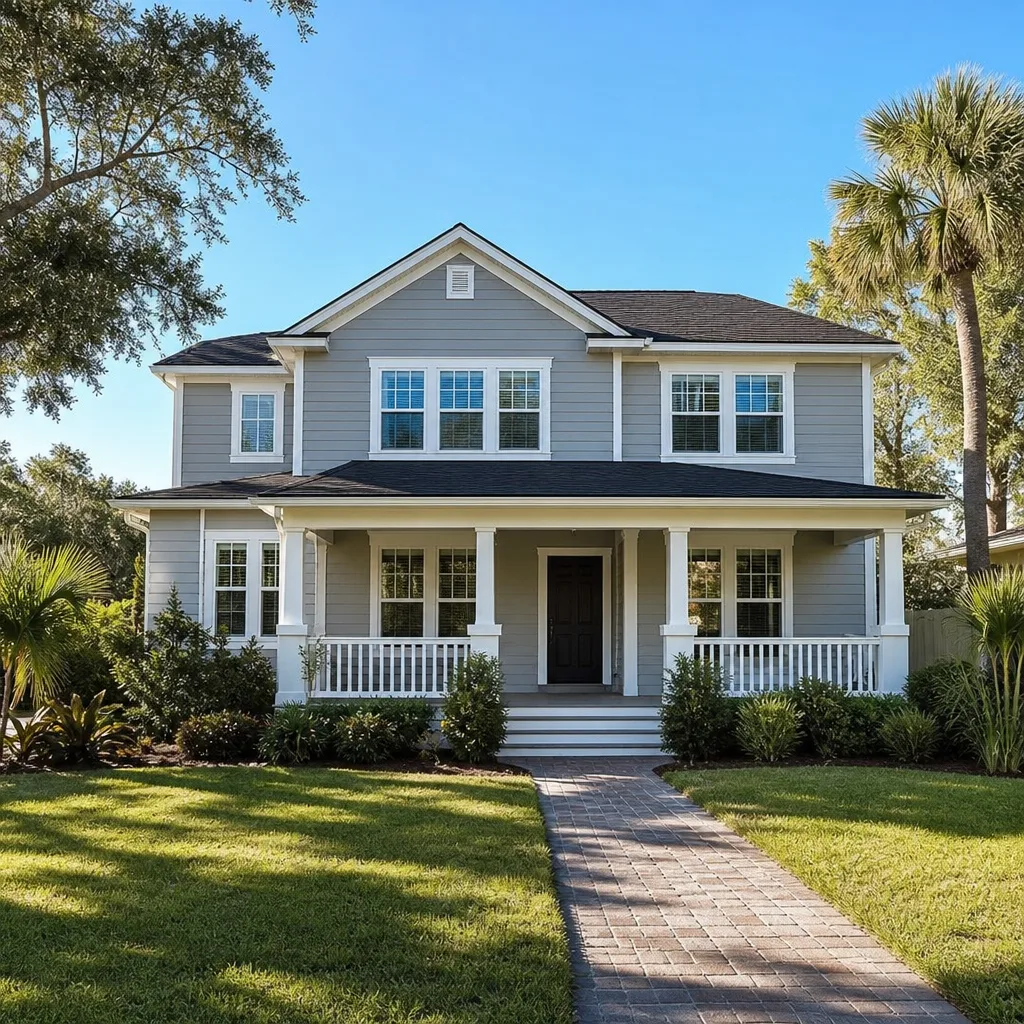
In San Jose, a full home addition or ADU runs from $53,100 to $153,400. That range is driven by square footage, whether the ground needs foundation work, the roof complexity at the tie-in, and the cabinet, countertop, and flooring lines you choose. A simple 400-square-foot ADU with basic finishes and a straightforward roofline sits at the lower end. A 900-square-foot addition with a kitchen, a complicated roof transition, and higher-end finishes like Cambria or Silestone countertops pushes toward the higher end.
What that price includes: a written line-item scope before any work starts, permits pulled and inspections passed, the IKO-compatible roof assembly with proper flashing and fastening, framing, drywall, electrical, plumbing, insulation, and finish work. We hand you a written price before the first tool comes off the truck. If the final invoice differs from the written number, that only happens if you change the scope. We don’t write change orders after demo day.
DIY or Call Us?
There are things you can check on your own: look at the roofline junction on a bright day for visible gaps or pulled flashing, check the gutters for excessive granules, and note whether the addition door sticks in winter (a sign of foundation movement). What you shouldn’t do is get on the roof of an addition or ADU in San Jose. The slope is often steeper than it looks, especially on detached units where the ground falls away. We see ladder accidents every year, and a steep roofline plus a mismatched flashing detail is a combination that sends experienced roofers to the hospital. The actual repair work, the tie-in correction, the re-flashing, the structural fix at the roofline, belongs to someone who does this weekly. Give us a call at (669) 274-2362 and we’ll come look. If it’s a simple fix, we’ll tell you it’s simple and give you a small number. If it’s a full rebuild, we’ll say that plainly. Give me the real problem and I’ll give you the real number.
FAQs
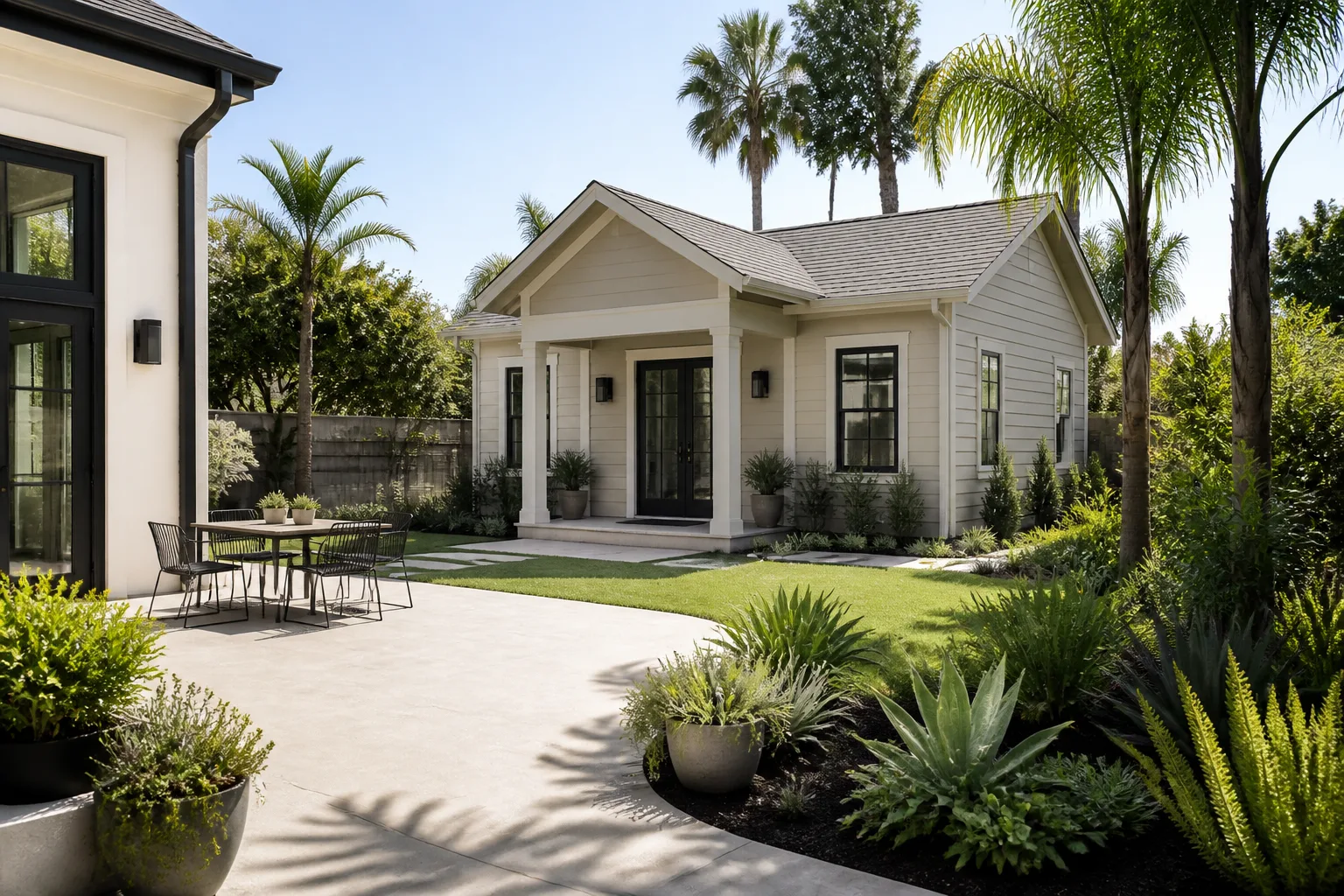
An IKO asphalt shingle roof on a San Jose ADU typically lasts 15 to 22 years, depending on sun exposure, attic ventilation, and whether the original installer used the correct fastener count for the slope. A south-facing roofline in Willow Glen or Almaden Valley will wear faster than the same shingle on a shaded lot in the Rose Garden. The underlayment usually fails before the shingles do. Call (669) 274-2362 for an inspection and we’ll tell you honestly how much life is left.
The tie-in flashing can be repaired if the shingles are still sound and the framing at the junction is dry. If water has been getting behind the flashing for more than one season, the decking itself usually has rot and needs replacement. We’ve opened up San Jose additions where the connection looked fine from the ground and found the plywood gone to mulch underneath. The fix is never just caulk. Call us for a free estimate and we’ll tell you what’s actually happening.
A detached ADU in San Jose typically takes four to eight months from permit to final inspection, depending on the city’s plan review timeline and the complexity of the utilities. A simple addition with a standard roofline can run three to five months. We give you a written schedule with the written price, and the arrival window is part of it. Call (669) 274-2362 and we’ll walk you through what a realistic timeline looks like for your property.
We keep IKO-compatible underlayments, fasteners, flashing, and ventilation products in our San Jose inventory, and we pull the shingle orders directly from our supply house when the project starts. You don’t need to source anything. If you need a match for an existing IKO line that’s been discontinued, we’ll tell you what’s still available and what modern equivalent will tie in without voiding the warranty. Call (669) 274-2362 for a free estimate.
Written by Trevor Nash, Owner, Penhallow Remodeling San Jose at Penhallow Remodeling San Jose, serving San Jose and nearby areas.


