
Free written scope consultation - allowances, timeline, and change-order rules on paper before a single trade is scheduled
CGI Kitchen Remodeling: The San Jose Owner’s Guide
If you’re searching for CGI kitchen remodeling in San Jose, you’re likely holding a failed part from a CGI cabinet, drawer, or hinge system and wondering whether it can be matched, replaced, and installed without starting over. We stock and install CGI-compatible kitchen components across San Jose, with typical installed parts and repair work running between $470 and $2,125 depending on the part, and full kitchen remodels that involve CGI cabinetry ranging from $16,520 to $53,100. Most owners discover the problem the same way: a drawer that suddenly won’t close, a hinge that’s sagging after three years of daily use, or a cabinet face that’s no longer flush after one too many heavy pots hit the shelf.
CGI, which stands for Cabinetworks Group International, manufactures cabinetry lines sold through kitchen dealers and home centers across California. The failure pattern we see most often in San Jose homes isn’t the cabinet box itself. It’s the hardware: soft-close mechanisms that wear out, drawer glides that bind, and hinges that drift out of alignment. Trevor Nash has seen enough of these to know that a ten-minute hardware swap often beats pulling the whole kitchen apart, and that a written price before we touch a single cabinet is the only way to start the conversation.
Which CGI Models This Applies To
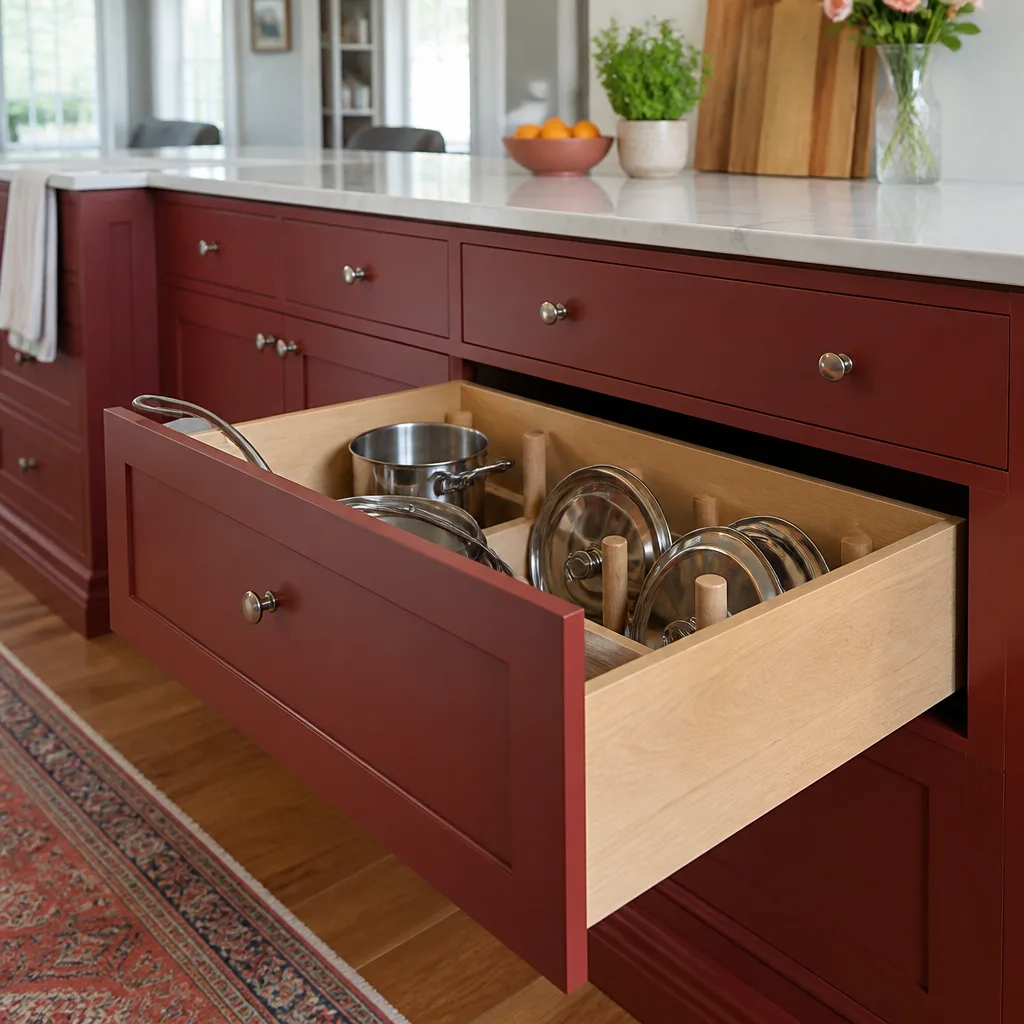
CGI cabinets appear under several brand names you may recognize: KraftMaid, Merillat, and QualityCabinets are the big three. If you bought your San Jose home with the kitchen already installed, pull open a drawer and look for a sticker or stamped label on the inside of the cabinet box. KraftMaid cabinets typically carry a small metal tag on the hinge side of the door frame. Merillat uses a barcode sticker inside the drawer box. That label will tell you the door style name and finish code, which is what we need to match an exact replacement door, drawer front, or trim piece.
Here’s the compatibility gotcha most people miss: a KraftMaid door from 2012 is not automatically the same as a KraftMaid door from 2019. CGI changed hinge cup dimensions on several lines around 2016, moving from a 35mm cup to a 40mm bore on certain full-overlay styles. If you order a door based on looks alone, the hinge holes may not line up with your existing frame. We measure before we order, every time. As for OEM versus aftermarket, we lean OEM for anything visible (doors, drawer fronts, moldings) because the finish codes are matched at the factory. For mechanical parts like soft-close dampers and glides, a quality aftermarket equivalent from Blum or Salice often performs as well or better, and we’ll tell you when that’s the right call.
Styles & brands we work with







Signs Your CGI Kitchen Remodeling Is Failing
- Drawer won’t stay closed or won’t close all the way. The soft-close damper has lost its fluid or the glide is binding. In San Jose’s dry summer air, plastic damper components get brittle faster than they would in a coastal climate, and that brittleness is usually the culprit.
- Hinge sags and the door scrapes the frame. The hinge cup has loosened inside the door bore, or the mounting screws have stripped the particleboard. This is repairable with the right dowel and a proper re-mill, but only if caught before the door edge wears a visible groove.
- Cabinet face is no longer flush with its neighbor. Heat expansion and contraction, especially in kitchens that catch direct afternoon sun through a south-facing window, gradually shifts the hinge adjusters. A five-minute adjustment usually fixes it unless the hinge itself has bent.
- Drawer box slides rough or catches mid-pull. The nylon roller on an epoxy-coated glide has flat-spotted. On older CGI lines from the mid-2000s, the glides were not heavy-duty rated, and a drawer full of cast iron skillets will eventually grind them down.
- Soft-close feature stopped working entirely. The internal piston inside the damper has failed. This is the single most common CGI part failure we see in San Jose, and it’s usually a sub-$100 parts fix when addressed early.
See the difference
 Before
 After
After Before
 After
After Before
 After
AfterReplacement Cost & What’s Included
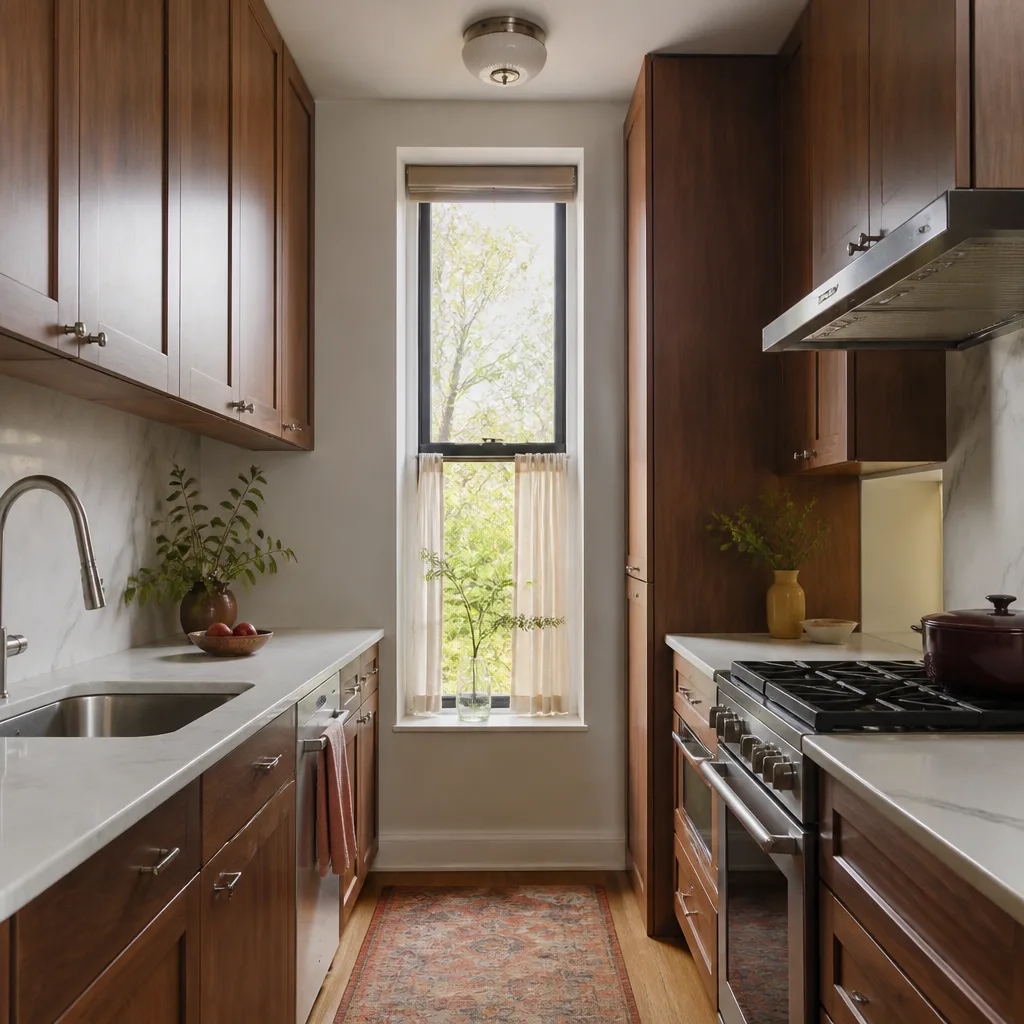
Installed parts repair on CGI cabinets in San Jose typically runs $470 to $2,125, depending on what’s failed and how many units need attention. A single soft-close damper swap is on the lower end. Replacing a full set of drawer glides on a six-drawer bank is higher. Here’s what drives the number:
- Parts type: OEM damper kits run $20 – $85 per unit. Factory-matched replacement doors run $180 – $420 each depending on the door style and finish.
- Labor scope: Hardware swaps are quick. Door replacement requires measuring, ordering, possible hinge reboring, and final alignment.
- Finish matching: Some older CGI finish codes have been discontinued. If we need to order a close-match and hand-blend the finish, that’s additional shop time.
Every job includes the part, the labor, a written price before we start, and our 365-Day Done Right Promise in writing. If a hinge we install fails during the guarantee period, we come back and replace it at no charge. No re-inspection fee, no service call charge, no fine print.
DIY or Call Us?
There’s an honest split here. If you’re dealing with a drawer that’s sticking, you can safely check the obvious things: pull the drawer out, clean the glide tracks with a dry cloth, and make sure no debris is caught in the channel. If it’s a hinge that’s merely drifting, a Phillips screwdriver will often get you through a cabinet door adjustment, and we’re not going to pad a service call to tighten screws you can reach yourself.
The line gets crossed when you’re drilling into cabinet boxes, re-milling hinge bores, or ordering CGI replacement parts by sight. A mismatched hinge bore can splinter the door edge, and a door ordered with the wrong finish code is yours forever. We carry common CGI damper and glide parts on the truck, and we’ll match any visible component before it’s ordered. If you’re in San Jose and you want someone to look before you spend, call (669) 274-2362. Give me the real problem and I’ll give you the real number.
FAQs
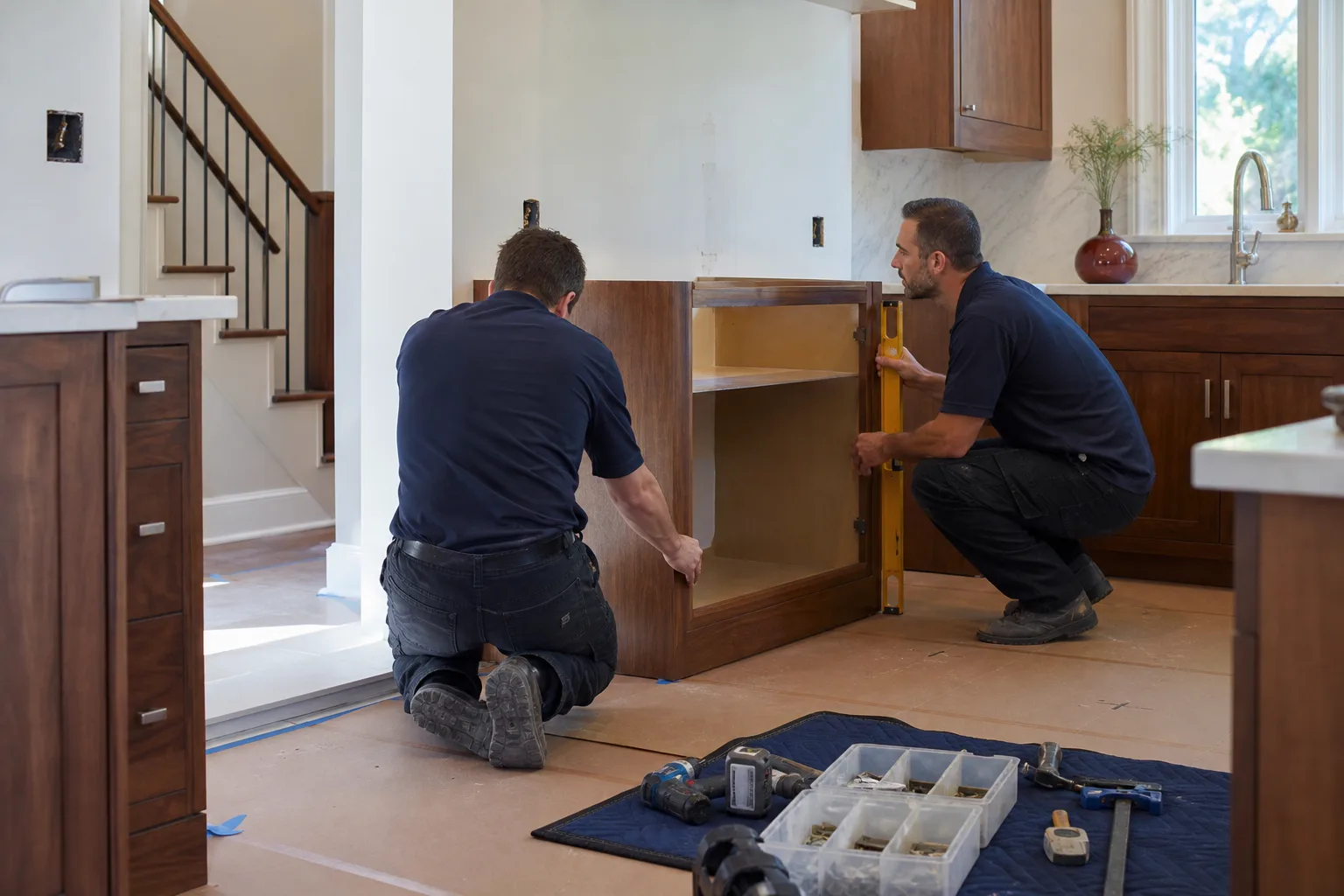
CGI cabinetry, including KraftMaid and Merillat lines, is built to last 20 to 30 years in normal use, though the mechanical hardware, like soft-close dampers and drawer glides, typically needs replacement every 7 to 12 years depending on how heavily the kitchen is used. San Jose’s dry heat can shorten that to as little as 5 years for plastic damper components on cabinets exposed to direct sun. Call (669) 274-2362 for an exact assessment, and we’ll tell you what’s worth replacing.
Yes, in most cases a failed CGI part is repairable: soft-close dampers, drawer glides, hinges, and even stripped screw holes in the cabinet box can all be addressed without replacing the cabinet itself, and we do these repairs regularly. The exception is a cracked door panel or a water-swollen cabinet box, which usually needs a factory-matched replacement. Call (669) 274-2362 and we’ll tell you which one you’re dealing with.
A single hardware swap, like a soft-close damper or a hinge, takes under an hour on site. If we have to order a factory-matched door or drawer front, the part typically arrives in 2 to 4 weeks, and installation takes about one to two hours once it’s here. We’ll give you the timeline in writing before we order anything.
We stock common CGI-compatible dampers, glides, and hinge components on our trucks for immediate repair. What we don’t stock, and won’t pretend to, are factory-finished doors and drawer fronts in specific discontinued finish codes, those are ordered per job so the color and grain match what’s already in your kitchen. Call (669) 274-2362 and we’ll check the truck before we schedule anything.
Written by Trevor Nash, Owner, Penhallow Remodeling San Jose at Penhallow Remodeling San Jose, serving San Jose and nearby areas.


