



Free written scope consultation - allowances, timeline, and change-order rules on paper before a single trade is scheduled
Abodu Fence Installation: The San Jose Owner’s Guide
If your Abodu fence is leaning, pulling loose at the post base, or the gate won’t latch, we stock the mounting hardware, post anchors, and compatible redwood or cedar boards to fix it. Installed fence repair and replacement around an Abodu home in San Jose typically runs $4,130 to $10,620 depending on the linear footage, post condition, and whether we’re splicing into the existing fence or setting new posts in concrete. Most owners call us after a winter storm or a stretch of dry weather when the ground shifts and the fence line starts to wander, or when a gatepost rots at the soil line and the gate drags across the walkway.
Here’s the thing about fences in San Jose: the soil moves. Clay-heavy ground in neighborhoods like Willow Glen and Cambrian expands when it rains and contracts through the summer. That cycle works posts loose over time, especially posts set shallow or without enough concrete. When your Abodu sits on a compact lot with a shared fence line, a leaning section isn’t just an eyesore. It’s a liability with your neighbor, and a small fix gets expensive once the post has rotted below grade.
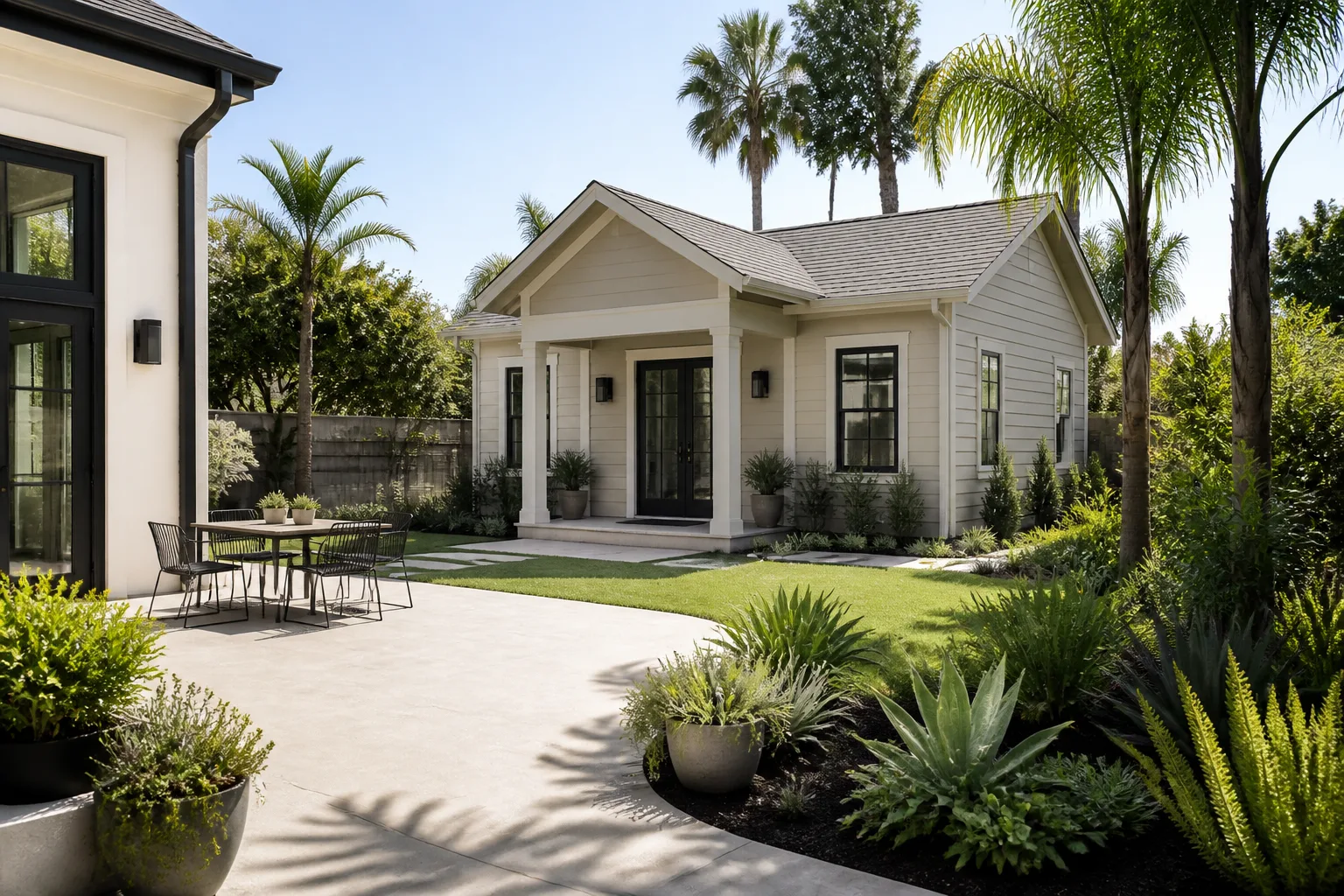
We’re an independent remodeling and construction company based in San Jose. We’re not affiliated with Abodu, but we’ve worked on enough Abodu homes to know how their fence lines typically run and what fails first in this climate.
Which Abodu Models This Applies To
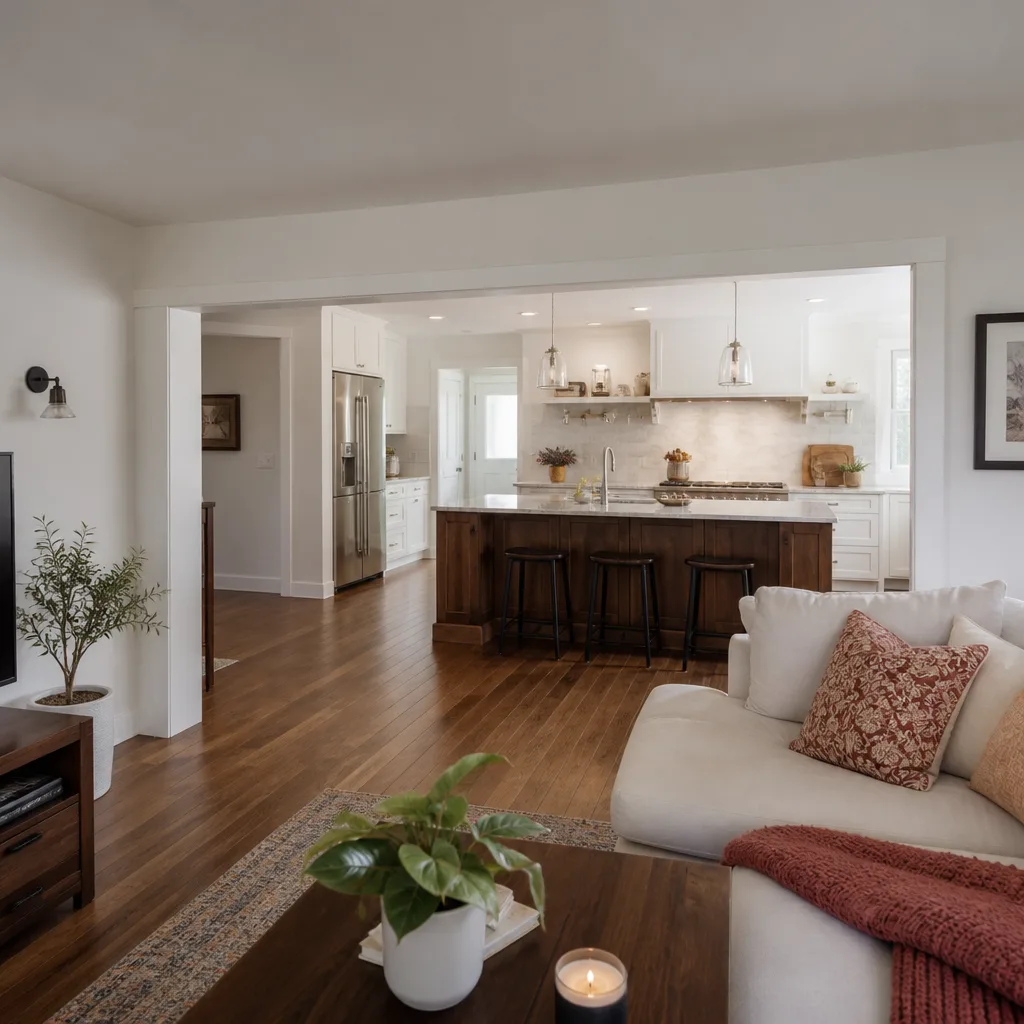
Abodu’s accessory dwelling units ship as modular units, and the fence lines around them are almost always site-built additions, not factory components. That means the fence itself was framed and installed by whoever did the original site work. The important part for any Abodu owner is matching the fence’s dimensions and materials to what’s already there so the repair doesn’t look like a patch.
What we typically see around Abodu units in San Jose are 6-foot privacy fences framed with pressure-treated pine posts, redwood or cedar pickets, and standard 2×4 rails. Post spacing varies, but most run 6 to 8 feet on center. The two things you want to match when we talk about compatibility are the picket width (usually 5.5 inches, sometimes 4 inches) and the post dimension (4×4 or 6×6). A 4×4 post rots faster than a 6×6 in San Jose’s wet-winter/dry-summer cycle, so if your posts are 4×4 and you’re already seeing rot, we’ll usually recommend stepping up to 6×6 for any post we replace. It’s a small upgrade that buys you another decade or more in this soil.
On the OEM-versus-aftermarket question: fence parts aren’t proprietary. There’s no Abodu-branded fence hardware you need to source. We use pressure-treated lumber rated for ground contact, galvanized or powder-coated steel post anchors, and stainless or exterior-coated fasteners. What matters more than brand is treatment rating. In San Jose, you want posts rated UC4A or better for ground contact, which is the difference between a post that lasts 7 years and one that lasts 20.
If you’re not sure what you have, walk the fence line and look at the end grain on a post top. 4×4 posts measure about 3.5 inches square. 6×6 posts measure about 5.5 inches square. The picket width is easy to check with a tape measure on a single board. Snap a few photos and text them to us, or just describe what you see when you call, and we’ll tell you what we’re likely looking at before we even schedule the visit.
Styles & brands we work with







Signs Your Abodu Fence Installation Is Failing
- The fence leans more than a few degrees in one direction. This almost always means posts are loose in the ground. In San Jose’s clay soil, the freeze-thaw cycle isn’t usually the culprit, but repeated wet-dry cycles plus wind load will eventually loosen a post that was set in too little concrete or no concrete at all.
- The gate drags or won’t latch. When the gatepost starts to move, the gate’s top hinge drops and the latch side falls out of alignment. Adjusting the hinge sometimes buys you a few months, but if the post itself shifts when you push on it, the fix is resetting the post in a proper concrete footing.
- Post bases show dark staining, soft spots, or vertical cracks. That staining is rot from water sitting at the soil line. Probe the base with a flat screwdriver. If it sinks in like a potato, the post is compromised below where you can see it. Surface cracks alone are usually just checking and not a structural problem, but a soft base is the beginning of the end.
- Rails are pulling away from the posts. Nails back out, screws rust through, or the rail end itself starts to split. This is the easiest repair if the post is still solid: we pull the old fasteners, repair or scab the rail end, and refasten with exterior-rated screws. If we see this on multiple sections, it’s often a sign the whole fence was built with interior fasteners.
- Pickets are cracked, warped, or falling off in clusters. One or two broken pickets is normal wear. A whole section losing pickets at once usually means the rails behind them are failing. Replacing pickets without fixing the rails is throwing money away, and it’s the kind of thing we see from handyman repairs that look fine for six weeks and fail again in the next rain.
See the difference
 Before
 After
After Before
 After
After Before
 After
AfterReplacement Cost & What’s Included
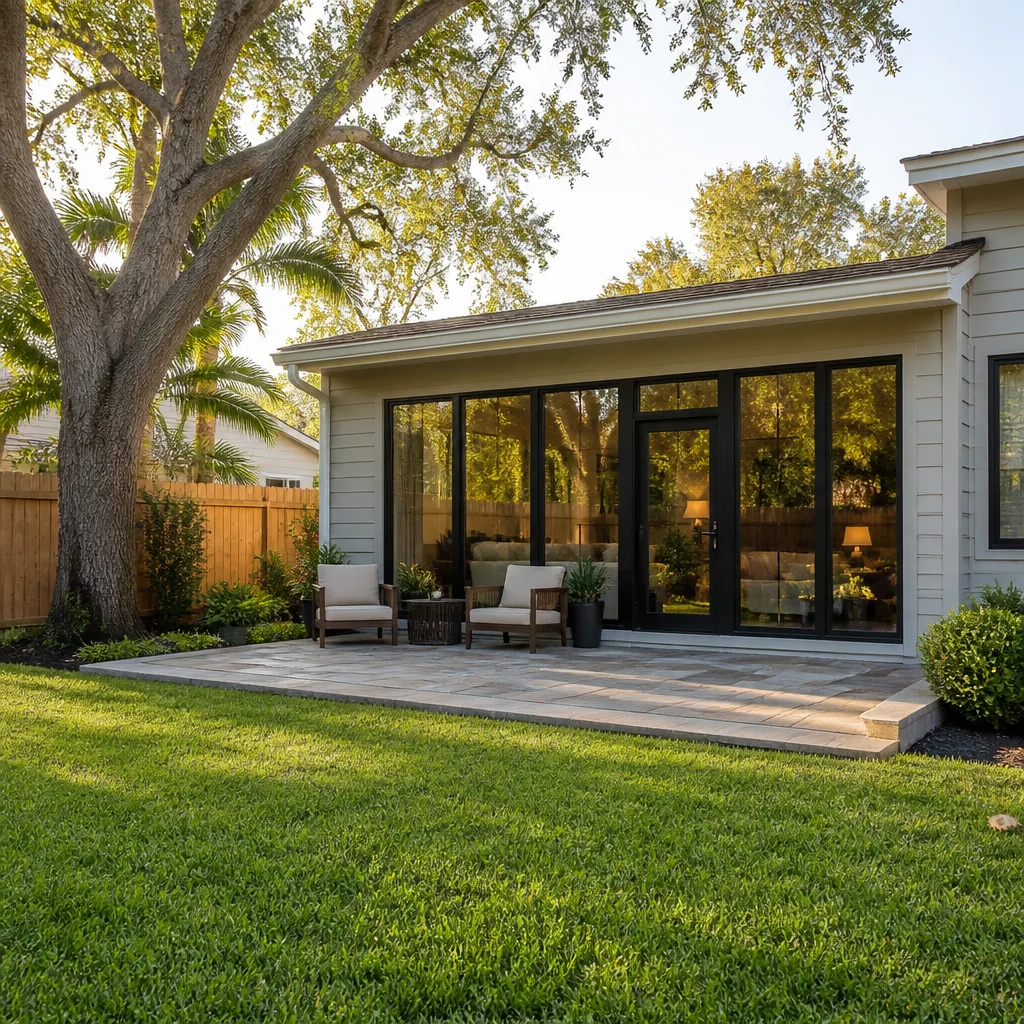
A fence repair or replacement around an Abodu unit in San Jose runs $4,130 to $10,620 on average. The spread comes down to three things: how many posts need to be reset or replaced, how many linear feet of fence are involved, and whether we’re working with a shared property line that needs neighbor coordination. A simple post reset or a gate realignment on one section lands at the low end. A full teardown and rebuild of a 40-to-60-foot fence with new posts, rails, and pickets lands at the high end.
Every job gets a written price before we start. That price includes the labor, the lumber, the concrete, the fasteners, and hauling off the old fence. It is not a range, not a ballpark, not “we’ll see how it goes.” The number we write down is the number on your invoice. If we find something unexpected, like a buried concrete footer from an old fence that has to be cut out, we’ll stop and show you what we found before any change is made.
The work carries the 365-Day Done Right Promise in writing. If a post we set shifts, a gate we hung starts dragging, or a section we repaired comes apart within the warranty period, we come back and fix it at no charge. No service call fee, no re-inspection fee, no argument.
DIY or Call Us?
There are a few things any homeowner can safely check before calling. Walk the line and see which sections move when you push on them gently at the top. Look at the base of every post for rot or staining. Check the gate latch and hinge screws for looseness. That’s where safe DIY ends. Digging out a rotted post, mixing and pouring a proper concrete footing, and reframing sections so the fence is straight and the gate swings true is an all-day job that goes wrong quickly if the post spacing is off or the concrete mix is wrong. Get the gatepost wrong by an inch and the gate will never latch right again.
If the leaning section is against a shared fence line, the conversation with your neighbor is usually easier when a contractor is standing there with a written scope and a firm number. Give me the real problem and I’ll give you the real number. Call (669) 274-2362 and we’ll schedule a walk-through, hand you a written price, and put it on paper with the warranty.
FAQs
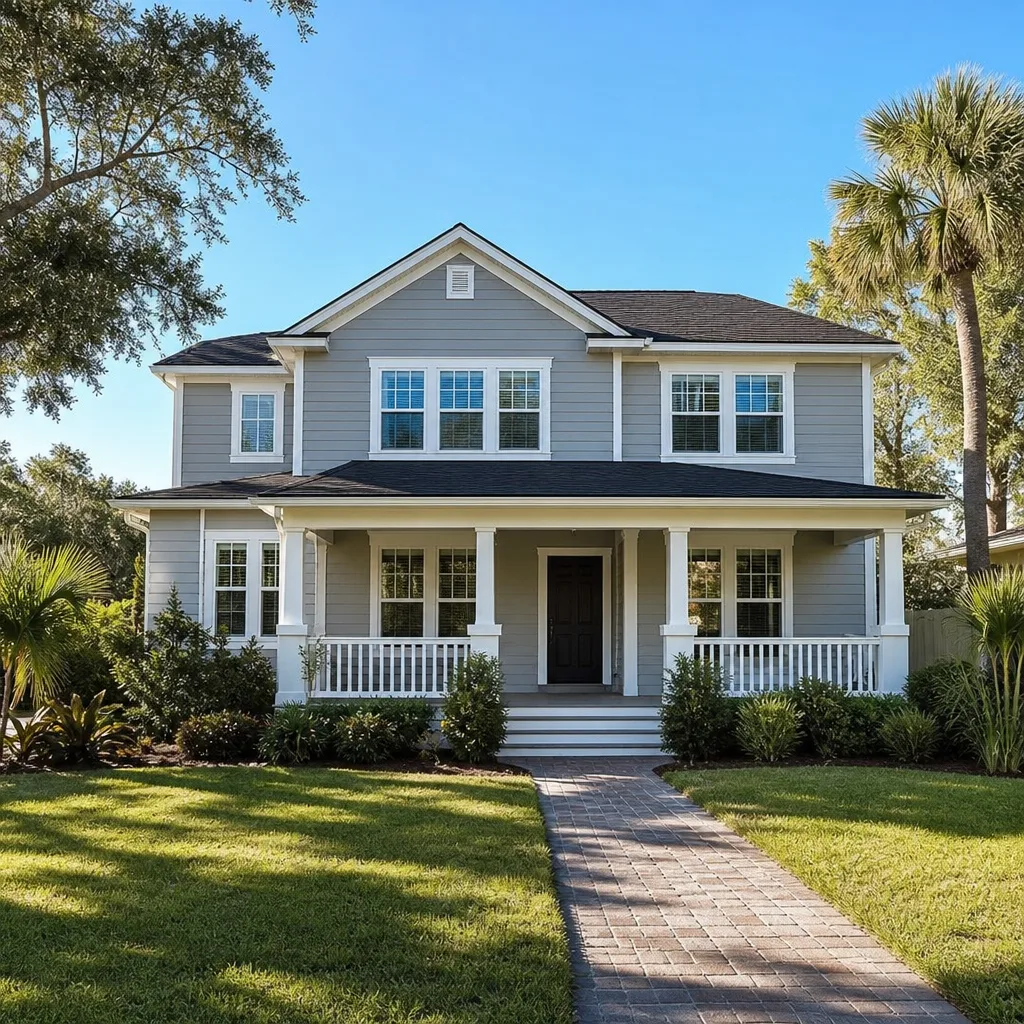
A properly built fence with ground-contact-rated pressure-treated posts set in concrete should last 15 to 25 years in San Jose, with pickets possibly needing replacement at the 10-to-15-year mark depending on sun exposure. Fences that rot out in under a decade were almost always built with the wrong lumber treatment or posts set without enough concrete.
In most cases, yes. If the posts are solid and the rails are in good shape, we can replace damaged pickets, reset a single post, or refasten loose rails without touching the rest of the fence. The exception is when rot is widespread or the fence was built with undersized 4×4 posts that are all failing, at which point we’ll recommend rebuilding the affected runs rather than chasing a new repair every year. Call (669) 274-2362 and we’ll tell you which situation you’re in.
A single post reset or gate repair is usually done in half a day. A full fence rebuild of 40 to 60 linear feet typically takes two to three working days from demolition to final gate adjustment, depending on whether we’re removing old concrete footings and how much access we have to the work area.
We carry the fast-moving items on our trucks: post anchors, galvanized brackets, exterior screws, gate hardware, and the lumber we need for standard post resets. For larger fences or specific picket matches, we source from local lumber yards in San Jose, which usually adds a day or two to the schedule and lets us match the species and size of your existing fence.
Written by Trevor Nash, Owner, Penhallow Remodeling San Jose at Penhallow Remodeling San Jose, serving San Jose and nearby areas.


