
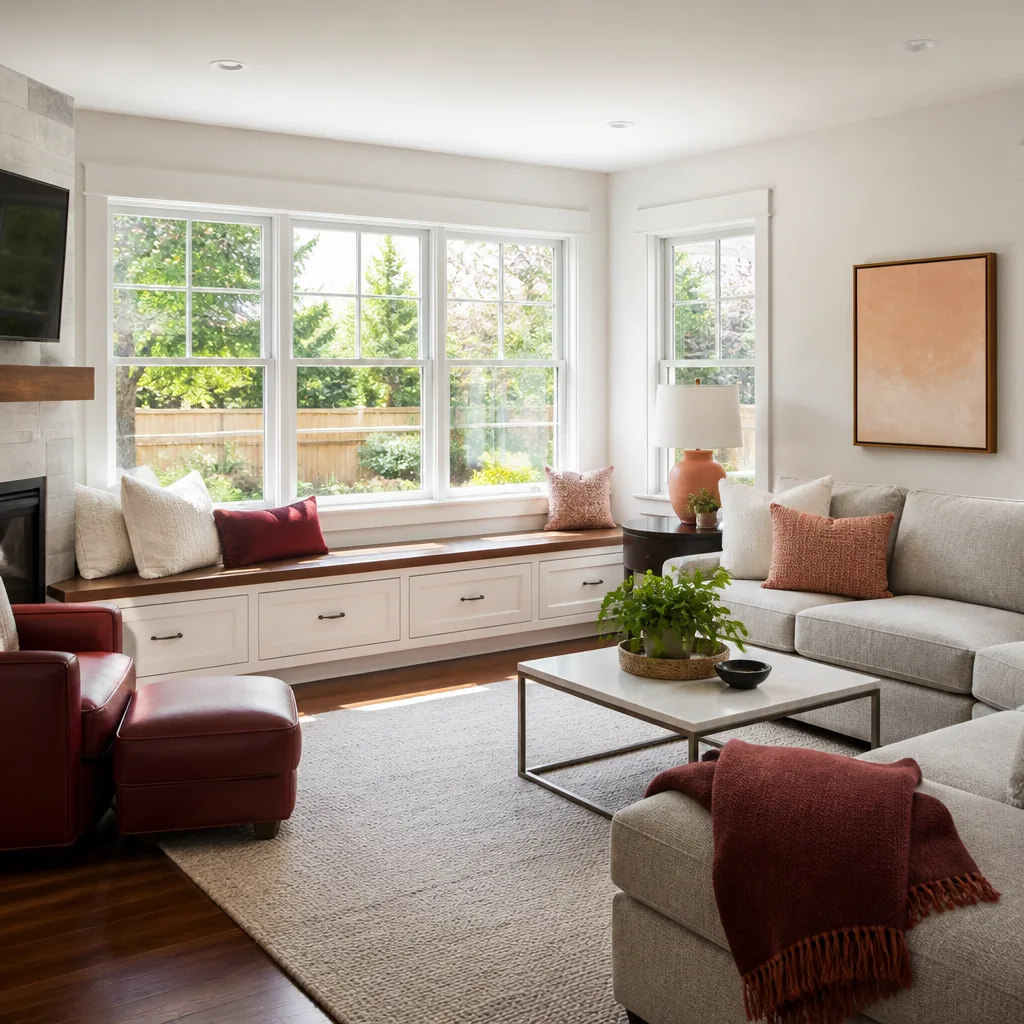
Free written scope consultation - allowances, timeline, and change-order rules on paper before a single trade is scheduled
Mighty Buildings Home Additions & ADU: The San Jose Owner’s Guide
If you own a Mighty Buildings home addition or ADU in San Jose and something’s failing, here’s the straight answer: we install Mighty Buildings-compatible home additions and ADUs at a typical cost of $53,100 – $153,400, depending on square footage, site work, and finish level. Most owners discover a problem when a seam opens, a panel shifts, or the mechanical chase stops lining up. We’ve worked on enough of these prefabricated panel systems in San Jose to know exactly what to check first, and we’ll give you a written price before any work starts.
Mighty Buildings uses a 3D-printed composite stone material for their wall panels, which is genuinely different from stick framing or SIPs. The panels are precise, but the connections are where we see problems show up. Bolted joints, lifting points, and the interface where panel meets foundation take the most stress during San Jose’s temperature swings. A 40-degree shift between a January night and an August afternoon is normal here, and that thermal movement finds every weak connection.
We’re an independent service provider in San Jose, not affiliated with Mighty Buildings. That means we call problems like we see them, and we’re not tied to any manufacturer’s script when it comes to repair options.
Which Mighty Buildings Models This Applies To
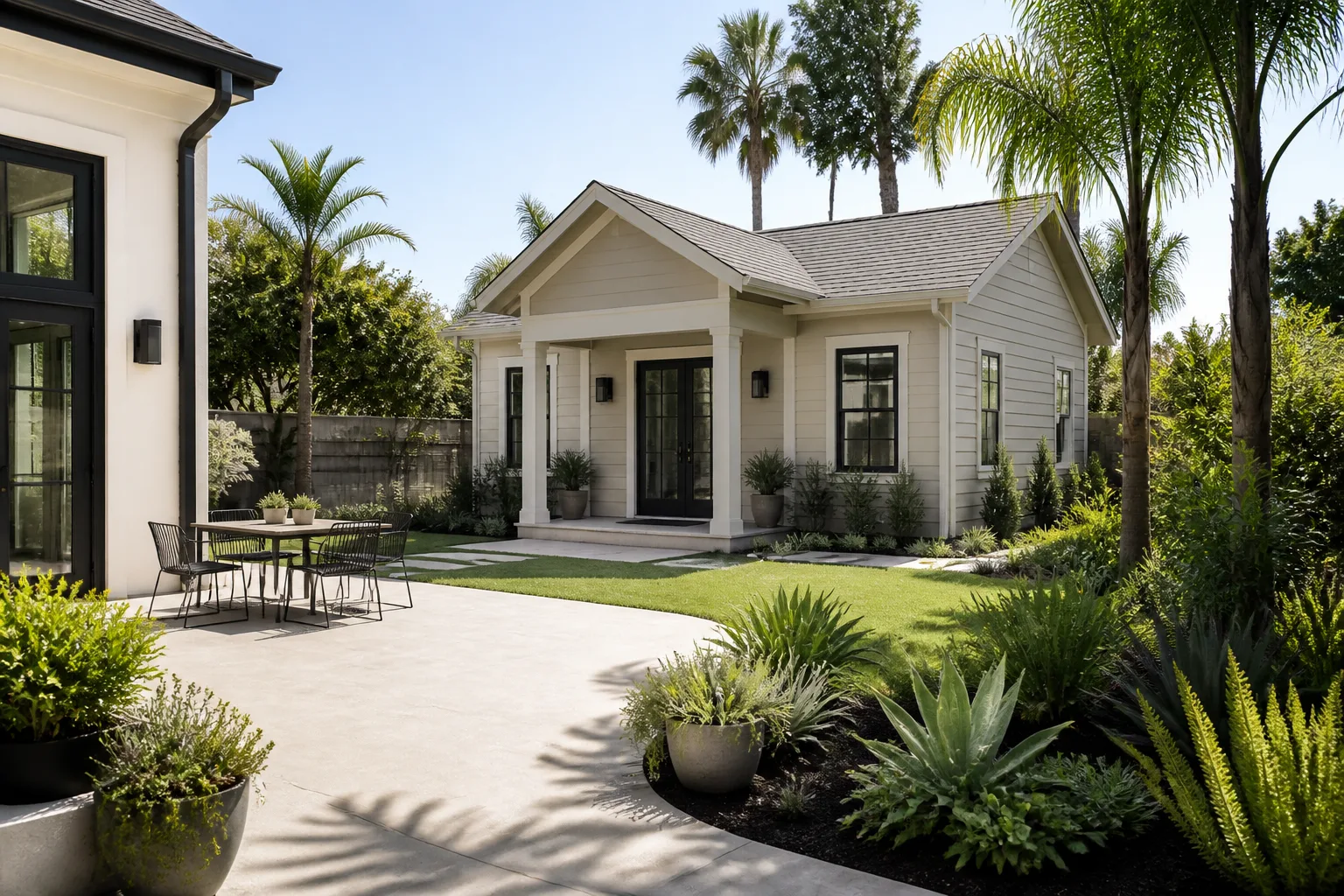
Mighty Buildings has produced a few distinct panel generations, and the repair path depends on which one you have. The Mighty Mods series, their earliest residential product, used smaller panel modules with more visible seam lines. The Mighty House series moved to larger panels with fewer joints. The current Mighty ADU line, which we see most often in San Jose backyards, uses the latest composite formulation with tighter manufacturing tolerances.
Here’s the compatibility gotcha that trips up a lot of owners: Mighty Buildings changed their panel joining hardware between the Mods and House generations. The early panels used a bolted steel connector that required periodic retorquing. The newer panels use an embedded plate system that’s theoretically maintenance-free, but when it fails, it’s a panel replacement, not a hardware swap. You can check which generation you have by locating the serial plate inside the utility chase or on the interior face of a corner panel. The plate will show a build date and panel lot number, which tells you exactly what you’re working with.
For cracked or delaminated panels, there’s no aftermarket equivalent that matches the composite stone formulation. We source Mighty Buildings panels directly where possible, and where the original panel is discontinued, we fabricate a compatible panel using matching dimensions and a compatible composite substrate. For hardware, fasteners, flashing, and sealants, we use commercial-grade equivalents from the same suppliers that serve the prefab industry. The OEM-versus-aftermarket decision matters less than getting the thermal movement and water management details right.
Key Takeaways:
- Panel generation matters. Mighty Mods, Mighty House, and current Mighty ADU panels use different joining hardware.
- Check your serial plate. It’s inside the utility chase or on a corner panel interior face.
- Cracked panels have no true aftermarket substitute. We source OEM where available or fabricate a dimension-matched replacement.
- Hardware, sealants, and flashing are where the aftermarket saves money. No performance loss.
Styles & brands we work with







Signs Your Mighty Buildings Home Additions & ADU Is Failing
- Visible seam separation between panels. This is the most common failure we see in San Jose. The composite panels expand and contract at a different rate than the metal connectors, and over three to five years, hairline gaps appear. Left alone, moisture gets in and the problem compounds.
- Water staining or soft spots near the roofline or at panel bases. The panel material itself won’t rot, but a failed seal at the top or bottom edge lets water migrate behind the panel and into the framing members or subfloor.
- Doors or windows that suddenly bind or won’t latch. In a prefab panel system, a binding door often means the panel above it is settling or the lifting point has shifted. It’s never just a hinge adjustment.
- Interior cracks running diagonally from window corners. A diagonal crack in drywall over a Mighty Buildings panel is usually a sign of differential movement at the corner connector. It’s asking you to look behind the surface.
- Loose or rattling mechanical chase covers. The utility chase that runs through Mighty Buildings panels is a known failure point. If the cover plate won’t stay tight, you may have loose chase brackets behind it.
If you see any of these signs, the fix is usually straightforward when caught early. Ignored, a seam leak becomes a panel replacement and a flooring repair that could have been avoided.
See the difference
 Before
 After
After Before
 After
After Before
 After
AfterReplacement Cost & What’s Included
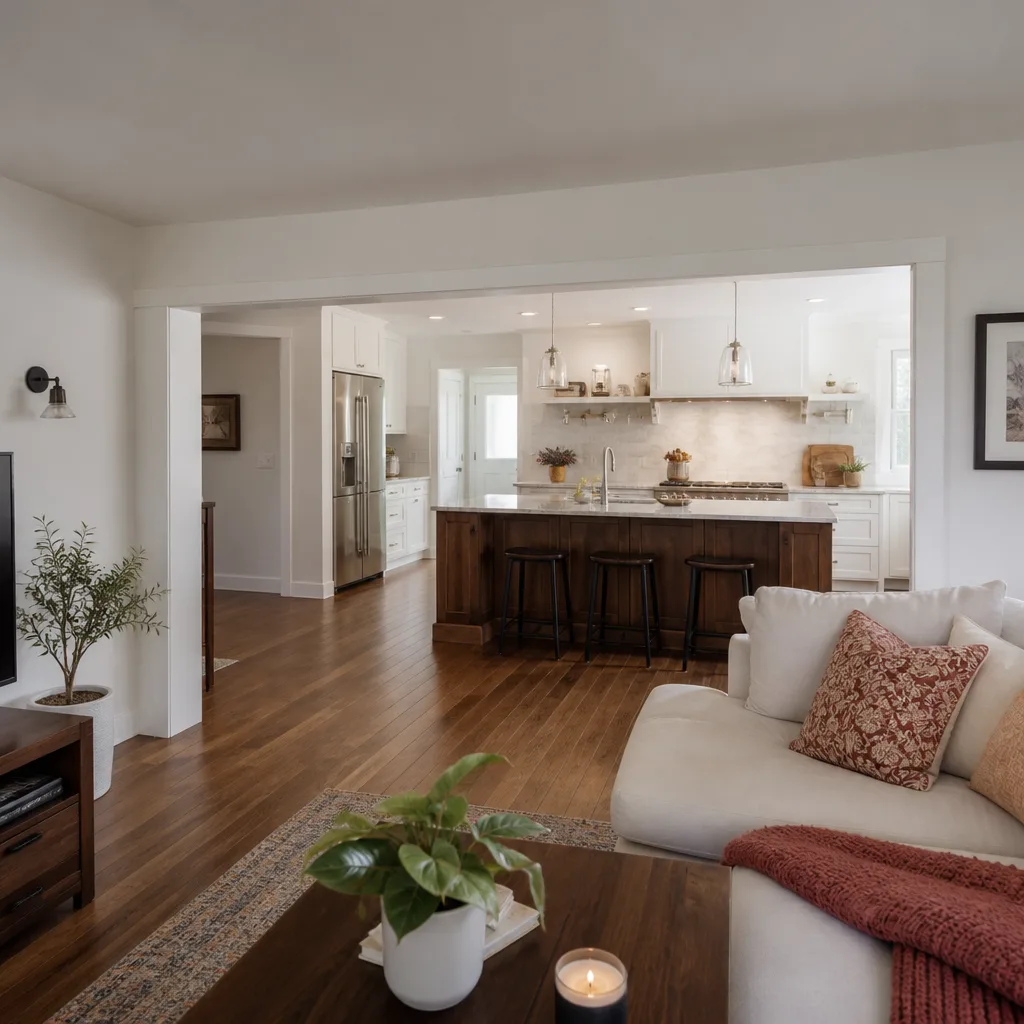
For a full home addition or ADU project on a Mighty Buildings platform in San Jose, plan for $53,100 to $153,400. That’s the full installed range, not just the panels. Here’s the breakdown of what drives the number:
- Panel replacement (single panel): $3,540 – $7,670 installed, depending on panel size and whether we’re sourcing OEM or fabricating.
- Hardware and connector replacement: $945 – $2,950 for a full retorque and replacement of failed connectors, including chase access.
- Full panel seam re-seal and re-flash: $4,130 – $10,620 depending on structure size and access.
- Complete Mighty Buildings home addition (new build): $53,100 – $153,400 all-in, including site prep, foundation, panels, interior finishes, and permitting in San Jose.
- ADU construction on a Mighty Buildings platform: $106,200 – $259,600, driven by utility connections, site constraints, and finish selections.
Every quote includes a written line-item breakdown. You’ll see the panel cost, hardware, labor, and permit fees as separate numbers. If a panel fails within the first year after we install it, our 365-Day Done Right Promise covers the replacement and labor at no charge. We used to write that promise by hand on the bottom of estimates; now it’s printed on every project contract.
One thing to know about Mighty Buildings panel lead times: some panel sizes have three to six month factory queues. If we can’t get an OEM panel quickly, we’ll quote a fabricated replacement with the same dimensions and composite substrate, and we’ll tell you the price difference before you decide. We also work with KraftMaid, Cambria, and Silestone cabinetry and countertop lines when your addition includes interior finishes, so the whole project stays under one written scope.
DIY or Call Us?
There are things an owner can safely check, and there are things that should not be touched without the right equipment. You can inspect for visible seam gaps, water staining, and door binding. You can photograph the serial plate and send it to us for a quick compatibility check. That’s all useful and safe.
What you shouldn’t do is try to retorque panel connectors or cut into the utility chase. The panel joints carry structural load, and a Mighty Buildings panel that’s been loosened without bracing can shift more than you’d expect. We’ve seen a homeowner take off a chase cover and find energized wiring run where the original plans said it wouldn’t be. That’s the kind of surprise that turns a $1,000 connector repair into a much bigger problem. Panel lifting and repositioning is a crane job, not a weekend project.
If you’ve spotted a seam opening or a crack, call us at (669) 274-2362. We’ll send a background-checked, uniformed technician to San Jose, assess what’s actually wrong, and hand you a written number. No surprise add-ons.
FAQs
The composite stone panel itself is rated for a 50-year structural lifespan, but the sealants and connectors are the weak link in San Jose’s climate. Expect the connecting hardware and exterior sealant to need service every 5 to 7 years, and plan for a full re-seal around year 10. Give us a call at (669) 274-2362 and we’ll give you a service schedule based on your panel generation.
Small cracks under a quarter inch can often be repaired with a compatible composite fill and a re-textured finish. Larger cracks, or any crack that runs through a connector point, mean the panel should be replaced. We’ll always quote the repair option first if it’s structurally sound, because it’s usually the better value.
A single panel replacement typically takes two to three days from start to weathertight, assuming we have the panel in hand. If we need to fabricate a replacement, add five to seven business days. The full finishing work (drywall, paint, trim) adds another two to three days depending on integration with the existing interior. Call (669) 274-2362 and we’ll map out the timeline for your specific situation.
We stock the sealants, connectors, flashing, and hardware for the current Mighty ADU line on our trucks, along with the most common panel sizes for the earlier Mods and House generations. Full-size structural panels are ordered per project from Mighty Buildings or fabricated locally. When you call, we’ll check the serial plate against our current inventory.
If you’ve got a Mighty Buildings addition or ADU in San Jose that’s showing cracks, gaps, or leaks, get the real answer. Give me the real problem and I’ll give you the real number. Call (669) 274-2362 and we’ll schedule your free estimate, written up before a single tool leaves the truck.
Written by Trevor Nash, Owner, Penhallow Remodeling San Jose at Penhallow Remodeling San Jose, serving San Jose and nearby areas.


