
Free written scope consultation - allowances, timeline, and change-order rules on paper before a single trade is scheduled
James Hardie Kitchen Remodeling: The San Jose Owner’s Guide
If you’re remodeling a San Jose kitchen with James Hardie siding, trim, or HardieBacker board involved, the total project typically runs $16,520 – $53,100 depending on kitchen size, cabinet line, counters, and how much structural work the walls need. We install James Hardie-compatible kitchen remodeling components and keep HardieBacker cement board, HardiePanel, and HardieTrim in stock for most San Jose jobs. Most San Jose homeowners call us after water damage exposes failed drywall behind a sink, or after a DIY tile job on the wrong substrate (the backing layer) starts cracking within months. If the substrate beneath your backsplash or the exterior kitchen wall sheathing is failing, that’s usually the moment a cosmetic touch-up turns into a real remodel.
Here’s what matters most: James Hardie products perform differently in San Jose’s climate than they do in, say, Phoenix or Portland. Our wet winters followed by long dry stretches mean expansion and contraction cycles are real, and the substrate choice behind your tile, under your cabinets, and along your exterior kitchen wall makes or breaks the job. This page covers the part-level reality of James Hardie kitchen work in San Jose, what fails, what it costs to fix properly, and when to stop patching and start replacing.
Key Takeaways:
- James Hardie kitchen work in San Jose typically runs $16,520 – $53,100 installed, with material choice driving most of the variance.
- HardieBacker cement board is the right substrate for tile and backsplash in San Jose’s climate; drywall or green board behind tile fails early here.
- We write a fixed price before any work starts, and the 365-Day Done Right Promise means if it fails within a year, we return and fix it at no charge.
- We’re an independent San Jose contractor; we install and stock James Hardie products but aren’t affiliated with the corporation.
Which James Hardie Models This Applies To
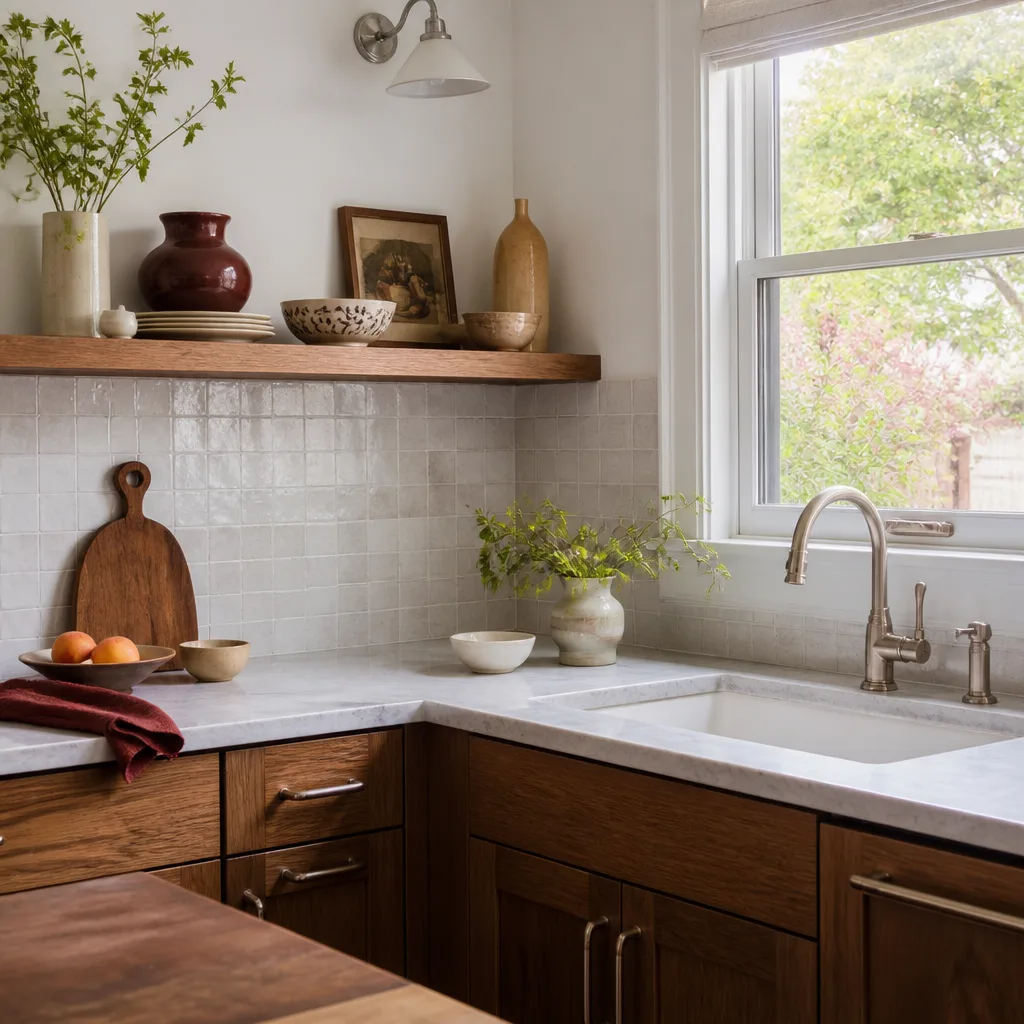
For kitchen remodeling, three James Hardie product lines matter most in San Jose homes: HardieBacker cement board (the moisture-resistant backing behind tile backsplashes and under countertop runs), HardiePanel vertical siding (exterior kitchen wall sheathing when you’re opening up a wall or bumping out), and HardieTrim boards (exterior trim around windows and doors that often gets damaged during kitchen additions or window replacements).
Identification is straightforward. HardieBacker comes in 1/4-inch and 1/2-inch sheets, and for wall tile backsplashes in San Jose, the 1/2-inch version is the right call, every time. The 1/4-inch sheets are really only meant for floors or countertop underlayment; using quarter-inch board on a wall invites flex, and flex is what cracks grout lines within a year. Look for the printed grid lines on the board face and the stamped logo on the back. If you see paper facing, you’re holding drywall, not cement board, and that’s a problem behind tile.
Here’s the compatibility gotcha most San Jose homeowners don’t know: HardieBacker must be installed over studs or blocking, not over existing drywall, for wall applications. We’ve pulled apart backsplashes in Willow Glen where a previous contractor screwed half-inch HardieBacker over old drywall with no vapor barrier, and the whole sandwich was holding moisture against the studs. That’s a mold risk in San Jose’s wet winters and exactly the kind of repair that costs more than doing it right the first time.
OEM versus aftermarket: HardieBacker is already the OEM-standard cement board. We don’t substitute generic fiber cement panels when a San Jose job calls for HardieBacker, because the dimensional stability and moisture-wicking behavior differ from off-brand boards. Where an aftermarket equivalent makes sense, it’s in trim profiles, where matching the exact HardieTrim reveal dimensions (5/4-inch and 4/4-inch profiles) matters more than the logo on the board. We stock both HardieBacker and matching trim profiles on the truck for most San Jose jobs.
Styles & brands we work with







Signs Your James Hardie Kitchen Remodeling Is Failing
- Grout lines cracking within months of a new backsplash. Nine times out of ten, this means the substrate behind the tile is flexing. Drywall or thin set directly over painted drywall moves with humidity changes, and San Jose’s winter-summer moisture swing makes it move more than you’d think. The fix is pulling the tile, correcting the substrate with 1/2-inch HardieBacker, and re-setting.
- Dark staining or swelling at the bottom edge of sink-side cabinets. This is water wicking into whatever board sits behind the cabinet run. Particleboard and drywall both fail here; cement board doesn’t. In San Jose homes built before 1990, we often find the original backsplash was set on drywall with mastic, and the lower course has been quietly absorbing moisture for decades.
- Exterior trim pulling away from the kitchen window or door. HardieTrim and HardiePanel expand and contract with temperature swings. If the original installer butted joints too tight or nailed too close to the edge, the board will crack or pull. San Jose’s diurnal temperature range can swing 25 degrees in a day during spring, and that’s a real stress test for fiber cement.
- Soft spots in the wall behind the sink or under a window. By the time you feel softness, the substrate has failed structurally. The leak has been active long enough to rot or delaminate whatever backs the drywall. This is when a $500 patch turns into a $5,000 wall rebuild, and it’s why we push San Jose homeowners to call early rather than wait.
- Visible gaps where the kitchen exterior wall meets HardiePanel seams. If you can see daylight or feel a draft at the seam, the panel lap detail wasn’t done right. HardiePanel requires a 1/4-inch gap at field butt joints with backer flashing behind. Skip that, and you get water in the wall cavity and air leaks that spike the kitchen’s heating and cooling load year-round.
Replacement Cost & What’s Included
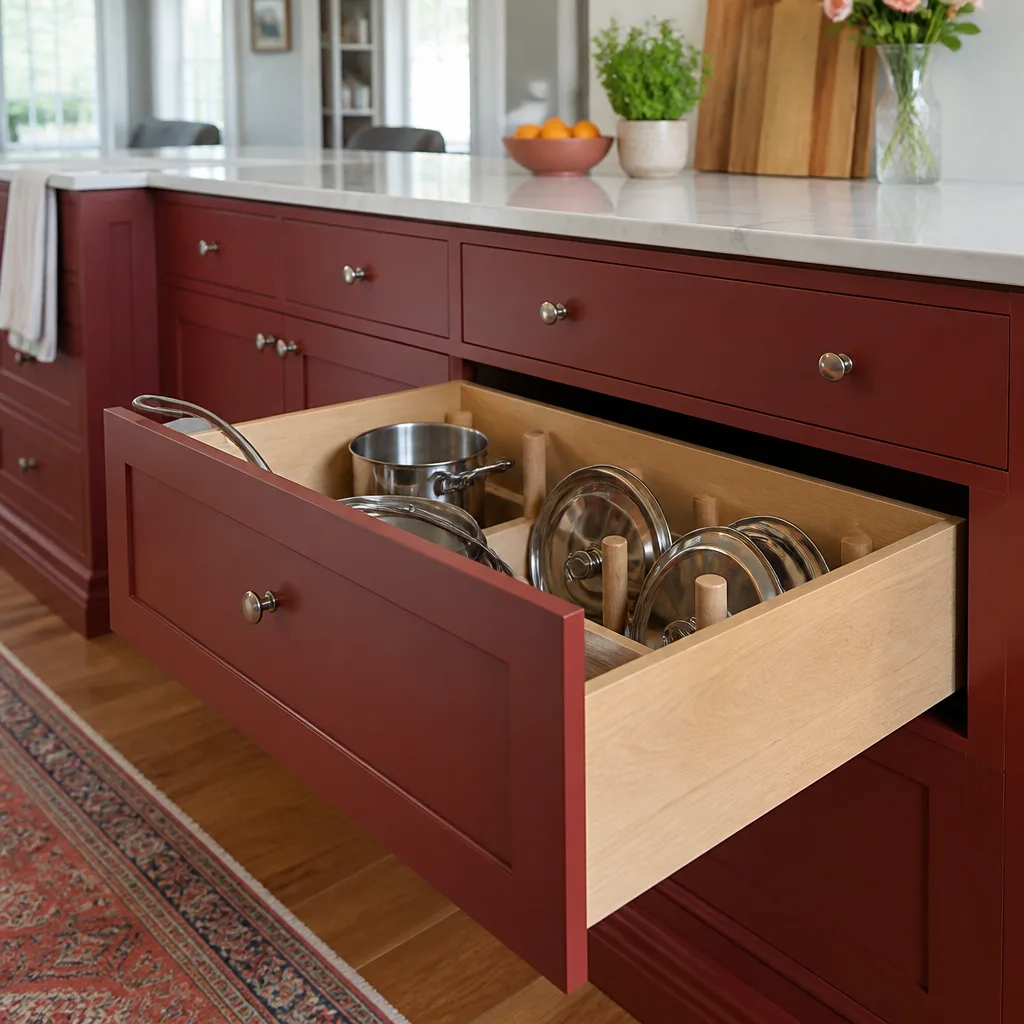
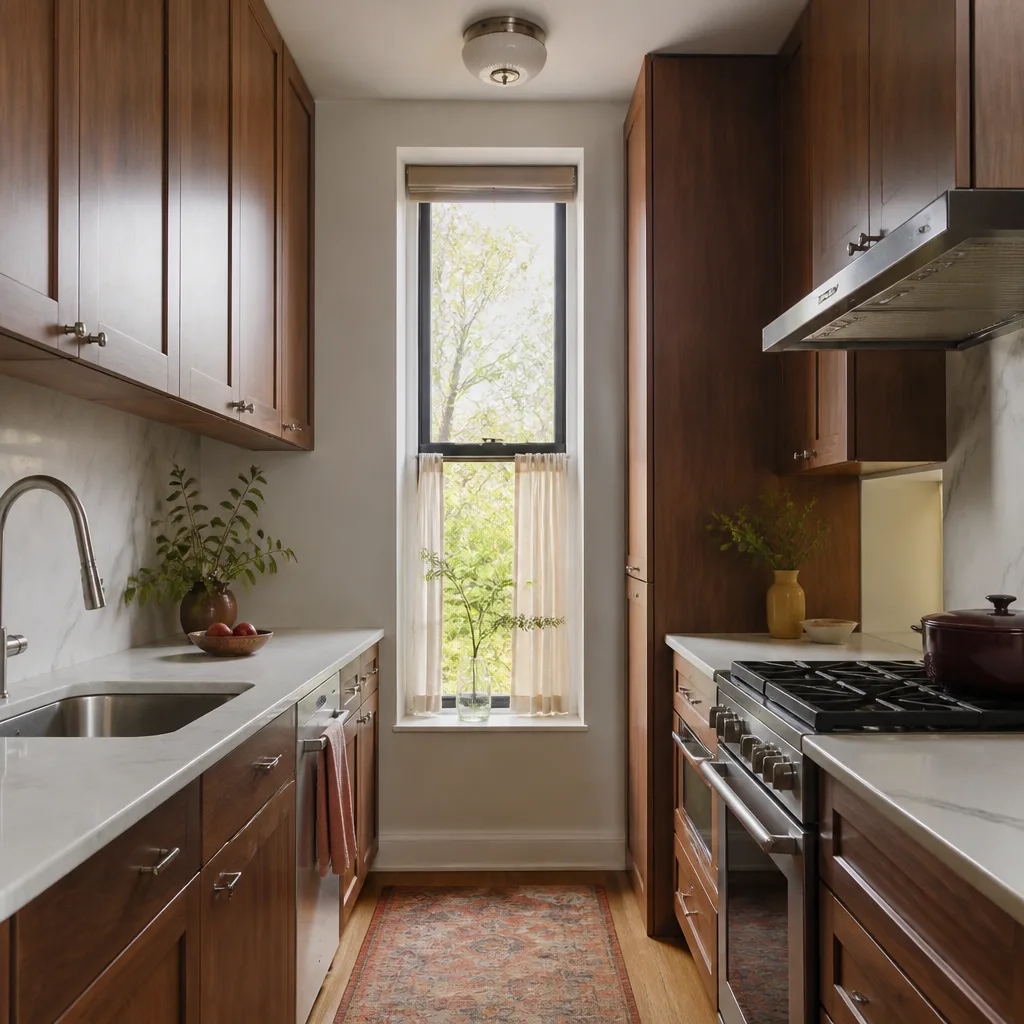
For James Hardie-specific kitchen work in San Jose, the numbers break down like this: a full kitchen remodel including HardieBacker substrate correction, new cabinets, counters, and tile lands between $16,520 and $53,100. A smaller galley kitchen without structural changes runs $10,620 – $23,600. If you’re only replacing the failed substrate behind a backsplash and re-tiling, expect $945 – $2,950. Countertop replacement over corrected substrate runs $2,360 – $7,670.
Here’s what drives the range on James Hardie kitchen work in San Jose: cabinet line (KraftMaid and Wellborn are our standard lines, and they land at different price points based on door style and finish), countertop material (Cambria, Silestone, and Caesarstone each price differently by square foot and edge profile), and whether the wall cavity needs remediation once we open it up. A kitchen wall that’s been wicking moisture for years usually means replacing a section of studs, and that’s labor and material you don’t see until demolition starts. This is exactly why we write a fixed price with a line-item scope before any work begins. If we find hidden damage behind the wall, we show you photos, explain what we found, and hand you a written change order before we touch it. The number you sign on day one is the number on the invoice, unless you approve a change in writing.
Every James Hardie kitchen remodel in San Jose includes:
- Written, line-item price before work starts, not an estimate range or a verbal ballpark.
- 1/2-inch HardieBacker substrate where tile is spec’d, never drywall.
- Moisture barrier and proper seam gaping per James Hardie installation specs.
- Written 365-Day Done Right Promise: if anything fails inside a year, we return and fix it at no charge.
- Free return visit if a repair fails during the guarantee period. No service call fee, no re-inspection charge.
See the difference
 Before
 After
After Before
 After
After Before
 After
AfterDIY or Call Us?
Let’s be honest about what a San Jose homeowner can safely handle. You can inspect the backsplash grout, check for soft spots in the wall, and look for trim gaps on the exterior, all without tools. That’s a useful diagnosis. What you shouldn’t do is cut into a wall that may contain electrical wiring behind a backsplash or plumbing in a sink-adjacent cavity, or pull exterior HardiePanel off a kitchen wall without knowing how the flashing was lapped. Fiber cement board is heavy and brittle in thin sections, and a mis-cut sheet in a tight San Jose kitchen is a fast trip to the emergency room. If the failure is substrate-level, the repair is not a weekend job. Give us the real problem and we’ll give you the real number. Call (669) 274-2362 and we’ll send a background-checked technician in uniform to assess the wall, identify the failed part, and hand you a written price. No pressure, no pushing a full remodel if the job is a backsplash repair.
FAQs
Correctly installed HardieBacker behind a kitchen backsplash or under a countertop should last the life of the kitchen, typically 25 to 40 years in San Jose’s climate. What fails early is the installation, not the board. Improper seam spacing, missing vapor barrier, or screwing into drywall instead of studs shortens that lifespan to under 5 years. Call (669) 274-2362 if you’re seeing early failure and we’ll tell you what’s actually behind the tile.
Isolated grout cracks can sometimes be re-grouted, but if the substrate is the problem, spot repair is throwing money at a symptom. When the board behind the tile is drywall or improperly installed cement board, the only honest fix is removing the tile, replacing the substrate with 1/2-inch HardieBacker over studs with proper moisture barrier, and re-tiling. We’ve done enough San Jose backsplash autopsies to know the difference. Call (669) 274-2362 and we’ll tell you which path applies to your wall.
For a typical San Jose galley kitchen backsplash, substrate correction plus tile replacement takes 2 to 3 working days. If we find wall damage requiring stud replacement behind the sink, add a day. We schedule in a defined arrival window and leave the job site clean at the end of each day. Call (669) 274-2362 for a firm timeline on your specific kitchen.
We stock 1/2-inch HardieBacker, HardiePanel, and common HardieTrim profiles on our trucks and source additional material from local San Jose suppliers on the day we need it. You don’t handle material sourcing. We also regularly install KraftMaid and Wellborn cabinetry, Cambria, Silestone, and Caesarstone countertops alongside James Hardie substrate work. Call (669) 274-2362 and we’ll confirm availability for your project’s material list.
Get a Written Price Before Any Work Starts
If you have a James Hardie kitchen component failing in San Jose, or if you’re planning a remodel and want the substrate done right the first time, call Trevor Nash and the Penhallow Remodeling San Jose team at (669) 274-2362. We’ll schedule a walk-through at a real arrival window, assess the wall, and hand you a written, line-item price before a single tool leaves the truck. That price covers the Kingswell guarantee: written scope, defined arrival, clean job site, and a 365-day promise to make it right if anything fails. A live person answers 24/7, so the call always goes through.
Written by Trevor Nash, Owner, Penhallow Remodeling San Jose at Penhallow Remodeling San Jose, serving San Jose and nearby areas.


