
Free written scope consultation - allowances, timeline, and change-order rules on paper before a single trade is scheduled
ActiveYards Home Additions & ADU: The San Jose Owner’s Guide
If you’re planning an ActiveYards home addition or ADU in San Jose, you’re looking at an installed cost of roughly $53,100 to $153,400 depending on square footage, foundation work, and finish level. We install ActiveYards-compatible addition and ADU packages, and the first thing we do is put a written price in front of you before any work starts. Most homeowners reach out to us after realizing their existing structure wasn’t built square, the foundation wasn’t engineered for the load, or the original build simply wasn’t permitted. That’s the moment the real problem surfaces, and it’s the moment you need someone who can give you a real number.
Penhallow Remodeling San Jose is an independent general contractor. We’re not a ActiveYards dealer and we don’t claim to be. What we do is work with ActiveYards structures and components already on your property, and we build additions and ADUs that integrate with what’s there.
Which ActiveYards Models This Applies To
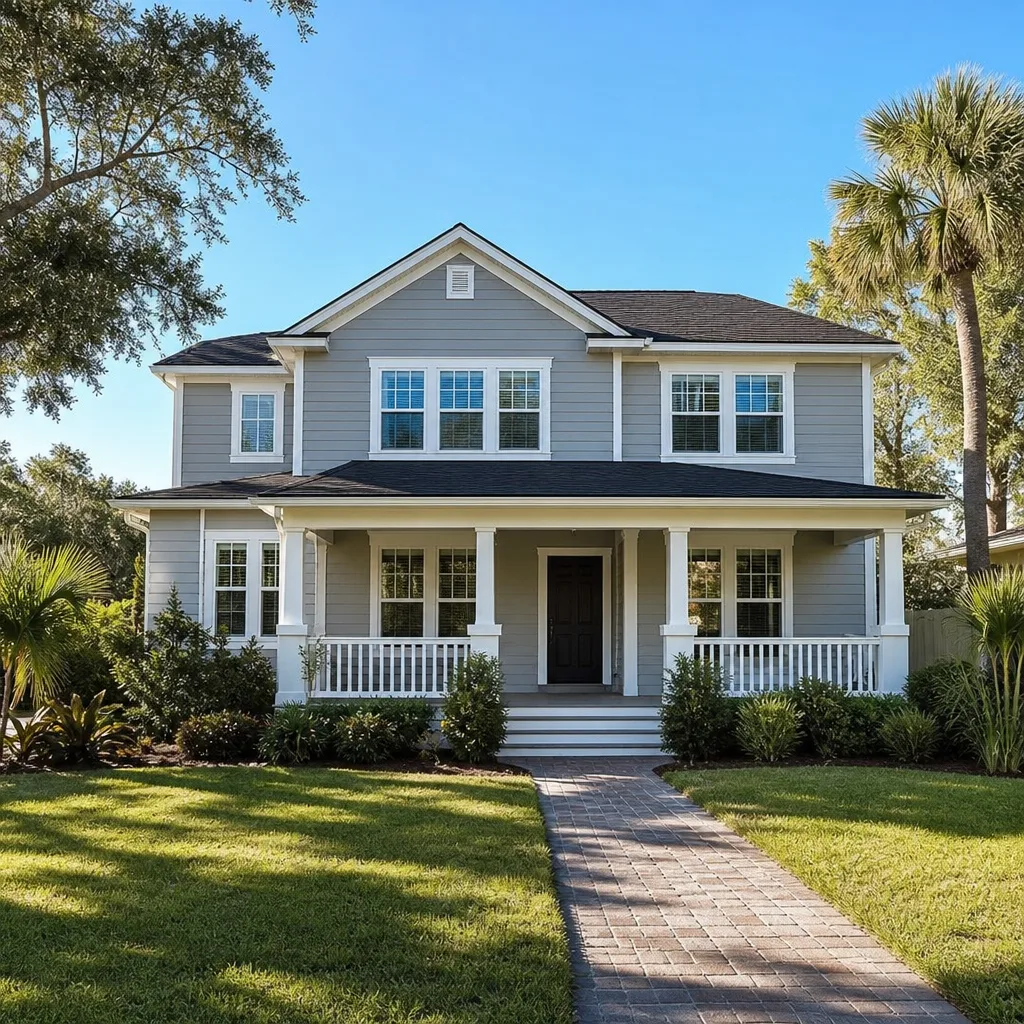
ActiveYards manufactures modular steel-frame structures, and their home addition and ADU lines share a common framing system but differ in panel sizing, door thresholds, and roof pitch options. The model compatibility question matters because ActiveYards changed their wall panel connector system around 2018. Earlier models used a bolted flange connection at the top plate; newer ones use a tab-and-slot interlock. If you’re adding onto an existing ActiveYards structure, that distinction determines whether you can tie into the existing frame or need a freestanding addition with its own perimeter foundation.
Look for the data plate on the inside of the door jamb or on the frame near the electrical panel. It’ll list the model number and the date of manufacture. The model number is usually formatted as AY- followed by a series code. If you can’t find it, measure the wall thickness: older ActiveYards panels measure 2.5 inches thick, newer ones 3 inches. That’s the fastest way to know which generation you’re working with.
OEM vs. aftermarket: For structural components, we insist on OEM panels and connectors. The engineering tolerances on a steel frame don’t leave room for an unknown supplier, and San Jose building inspectors agree. For interior finishes, flooring, and plumbing fixtures, quality aftermarket materials from brands like Cambria or Silestone are often a better value and carry their own warranties that stack alongside ours.
Styles & brands we work with







Signs Your ActiveYards Home Additions & ADU Is Failing
- Doors that bind or won’t latch. This usually means the frame has shifted or the foundation has settled unevenly. In San Jose’s clay-heavy soil, seasonal expansion and contraction is a real factor, especially in neighborhoods like Willow Glen and Almaden Valley where older lots sit on expansive soil.
- Cracks at wall-to-ceiling seams. Steel-frame structures move differently than wood. A hairline crack at the drywall seam is often cosmetic. A crack that runs diagonally from a window corner is structural movement and needs to be looked at before you put any money into finishes.
- Musty smell in one specific corner. ADUs on slab foundations in San Jose sometimes get moisture wicking up through the slab edge if the vapor barrier was skipped or damaged. We see this more often in converted garages than in purpose-built ADUs.
- Electrical tripping when you run two appliances at once. Many older ActiveYards units shipped with a 100-amp subpanel. A modern ADU with a mini-split, an induction cooktop, and a washer/dryer will outgrow that quickly. It’s not a structural failure, but it’s a sign the original spec wasn’t sized for how you actually live.
- Floor feels soft or bouncy near the door. That’s usually a sill plate issue or inadequate floor joist spacing. On a raised foundation, it’s a fixable problem. On a slab, it can mean the slab edge has spalled, which is a bigger conversation.
See the difference
 Before
 After
After Before
 After
After Before
 After
AfterReplacement Cost & What’s Included
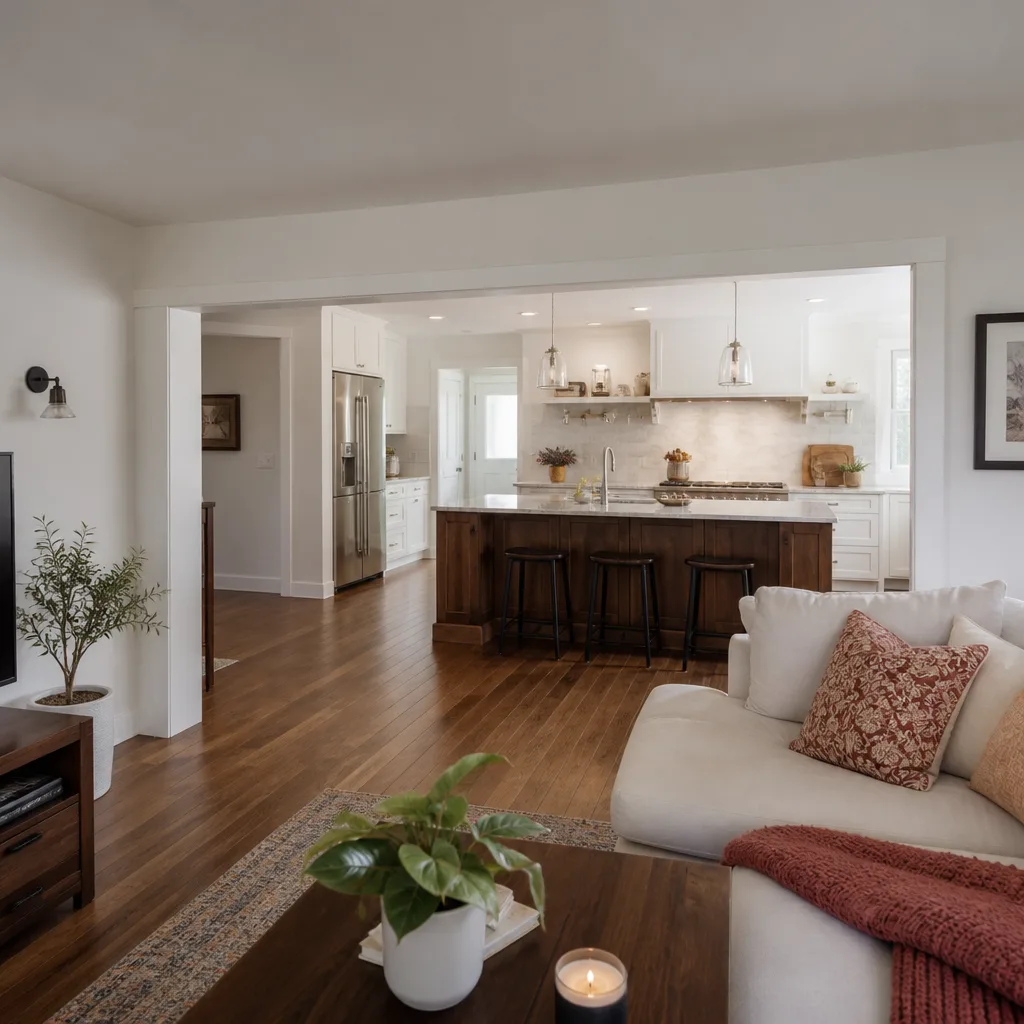
For San Jose homeowners, a full home addition or ADU built to current code runs $53,100 to $153,400. That range reflects real differences in scope. Here’s what moves the number:
- Foundation type: A slab-on-grade addition on a flat lot in Evergreen costs less than a raised-floor addition on a sloped lot in the Santa Teresa foothills.
- Square footage: A 400-square-foot ADU is a different project than a 1,200-square-foot family room addition.
- Finish level: Stock cabinetry and laminate counters land at the low end. KraftMaid cabinetry with Cambria quartz and Moen fixtures lands at the high end.
- Permit and school impact fees: San Jose charges school impact fees on ADUs over 750 square feet, and those fees alone can add $4,000 to $7,000 depending on the district.
Every project includes the written scope of work, a line-item price, the 365-Day Done Right Promise, and a clean job site at the end of every day. If we say a number, that’s the number. It doesn’t change when the crew shows up.
DIY or Call Us?
The honest split: you can check your ActiveYards data plate, measure your panel thickness, and clear the area where the addition will sit. Those are safe. What you shouldn’t do yourself is tie into existing framing, pour a foundation, run electrical, or pull permits. San Jose requires engineered drawings and inspections for any addition over 120 square feet, and unpermitted work becomes a problem when you sell the house. We’ve walked through more than one Willow Glen home where a previous owner’s “weekend addition” had to be torn out because it was never permitted. That’s a cost no homeowner should eat twice.
If the real problem is that you’re not sure whether your existing structure is sound enough to build on, call (669) 274-2362. Give me the real problem and I’ll give you the real number.
FAQs
A properly permitted and installed ActiveYards structure will last 50-plus years on the steel frame, but the finishes, roofing, and plumbing fixtures will need attention every 15 to 20 years. In San Jose’s dry summers and wet winters, the most common wear point is the roofing membrane, so budget for re-roofing before you budget for a kitchen refresh. Call (669) 274-2362 for an inspection and an honest lifespan assessment.
Usually yes. Steel frames can be inspected, re-leveled, and reinforced. The question is whether the repair gets you a permitted structure or just a temporary fix. We’ll tell you plainly which one you’re looking at before you spend a dollar. Estimates are free, so call (669) 274-2362.
Plan on 4 to 8 months from permit submittal to final inspection. San Jose’s permitting department has been faster in the last year than it was during the 2021 backlog, but engineered drawings, plan review, and inspections are still sequential steps that can’t be rushed. We give you a written schedule with defined milestones.
We don’t stock ActiveYards structural panels on a shelf. These are engineered components ordered per project with lead times of 2 to 6 weeks. What we do keep on hand are the common finish materials, installation hardware, and the tools and lifts to do the work cleanly. When we order ActiveYards components for your project, the lead time is built into the schedule you approve.
Written by Trevor Nash, Owner, Penhallow Remodeling San Jose at Penhallow Remodeling San Jose, serving San Jose and nearby areas.


