
Free written scope consultation - allowances, timeline, and change-order rules on paper before a single trade is scheduled
ES Windows Kitchen Remodeling: The San Jose Owner’s Guide
If you have ES Windows in your kitchen and you’re planning a remodel in San Jose, the short answer is this: a full ES Windows-compatible kitchen remodel in San Jose typically runs $16,520 to $53,100, and we can usually start within a two-week window once your written scope is signed. The part most homeowners come to us about isn’t a single failed component, it’s the interface between their existing ES Windows frames and new cabinets, counters, or backsplash. You discover the problem the day your contractor starts demo and realizes the window ledge doesn’t line up with the new cabinet depth, or the new backsplash tile won’t cleanly meet the window casing without leaving a gap that catches every drip from the sink.
We handle this specific problem all the time in San Jose, and we’ve learned that the window-to-cabinet junction is where most kitchen remodels either look custom or look patched. This page walks you through what to check, what it costs, and how we approach the work so you don’t end up with a beautiful kitchen and a window transition that bothers you every time you do dishes.
Which ES Windows Models This Applies To
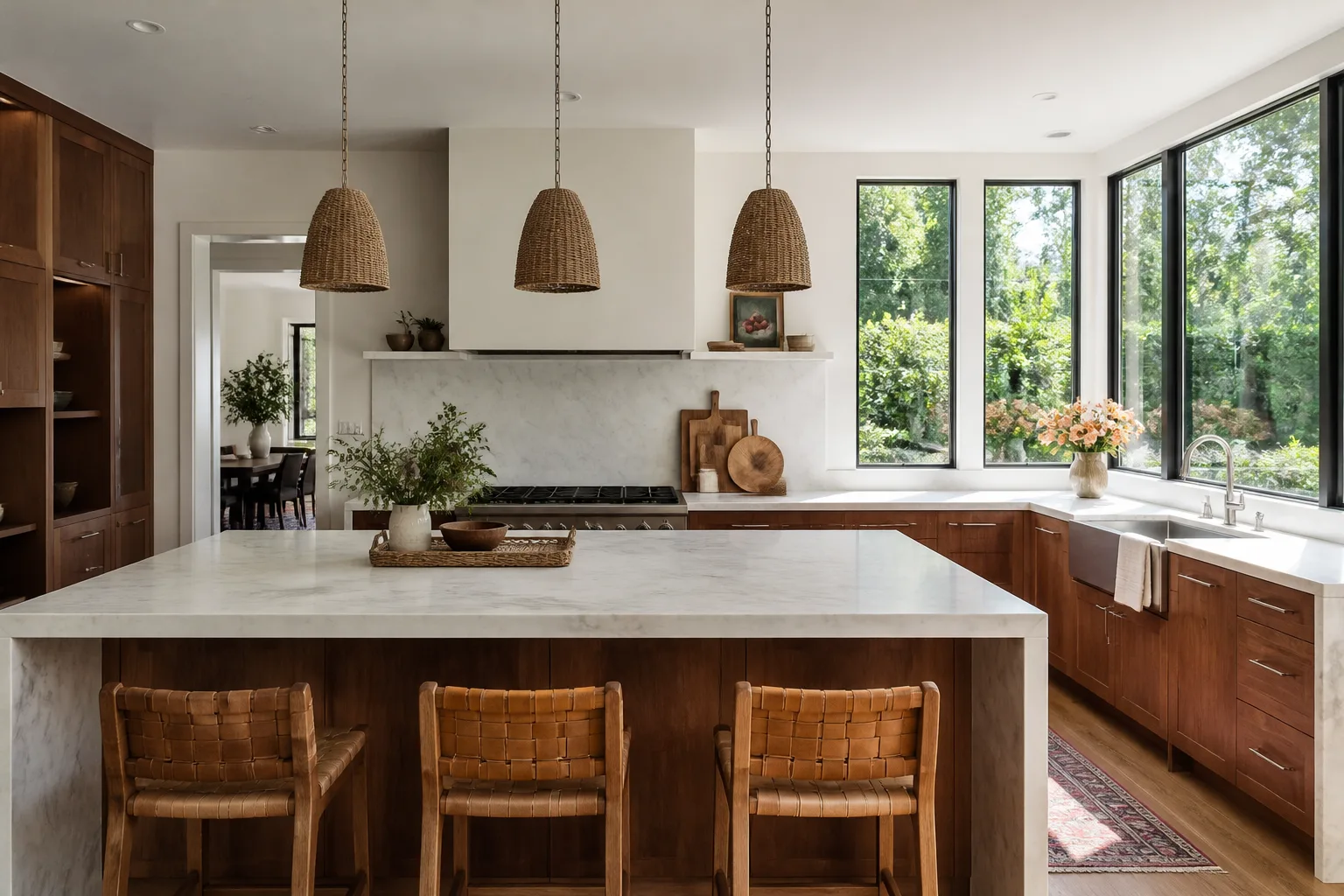
ES Windows has a few different series that show up in San Jose kitchens, and the compatibility picture changes depending on which one you have. The most common in this market are the ES Windows 400 Series and the slightly higher-end 500 Series. The key difference for a kitchen remodeler is frame depth: the 400 Series has a narrower frame profile that sits closer to flush with standard 2×4 wall construction, while the 500 Series frames extend deeper into the interior wall cavity. That depth difference is exactly what causes the cabinet alignment issues we mentioned above.
How do you identify which one you have? Start with the label. On every ES Windows unit, there’s a small metallic sticker on the inside of the frame, usually on the hinge side or the upper corner, printed with the series number, the manufacturing date code, and the glass spec. If the sticker has worn off, you can measure: remove the interior sash and measure the frame depth from the drywall face to the exterior edge. A 4-inch frame depth usually indicates the 400 Series; a 4-3/4-inch or deeper frame points to the 500 Series.
One compatibility gotcha we’ve learned in San Jose: if your home was built between 1998 and 2012 in developments around Almaden Valley, Evergreen, or Berryessa, you may have a now-discontinued ES Windows 300 Series. The 300 Series used a proprietary drip cap that doesn’t accept standard replacement flashing, which matters when you’re cutting into the wall for a new backsplash or moving a sink under a window. In those cases, we recommend keeping the existing window in place and working the new kitchen around it rather than trying to reframe, unless the window itself is failing.
On the OEM versus aftermarket question: for ES Windows specifically, we recommend OEM exterior gaskets and weather seals because aftermarket gaskets tend to shrink in California’s dry heat, which is a real issue in San Jose’s summer. For interior trim and casing, quality aftermarket wood or PVC from brands we already use (like Therma-Tru and James Hardie) often outperforms what the factory ships. We’ll discuss both options and give you a written recommendation before any order is placed.
Styles & brands we work with







Signs Your ES Windows Kitchen Remodeling Is Failing
Sometimes the window itself is fine, but the original installation around it is what’s failing. Here’s what we see most often in San Jose kitchens:
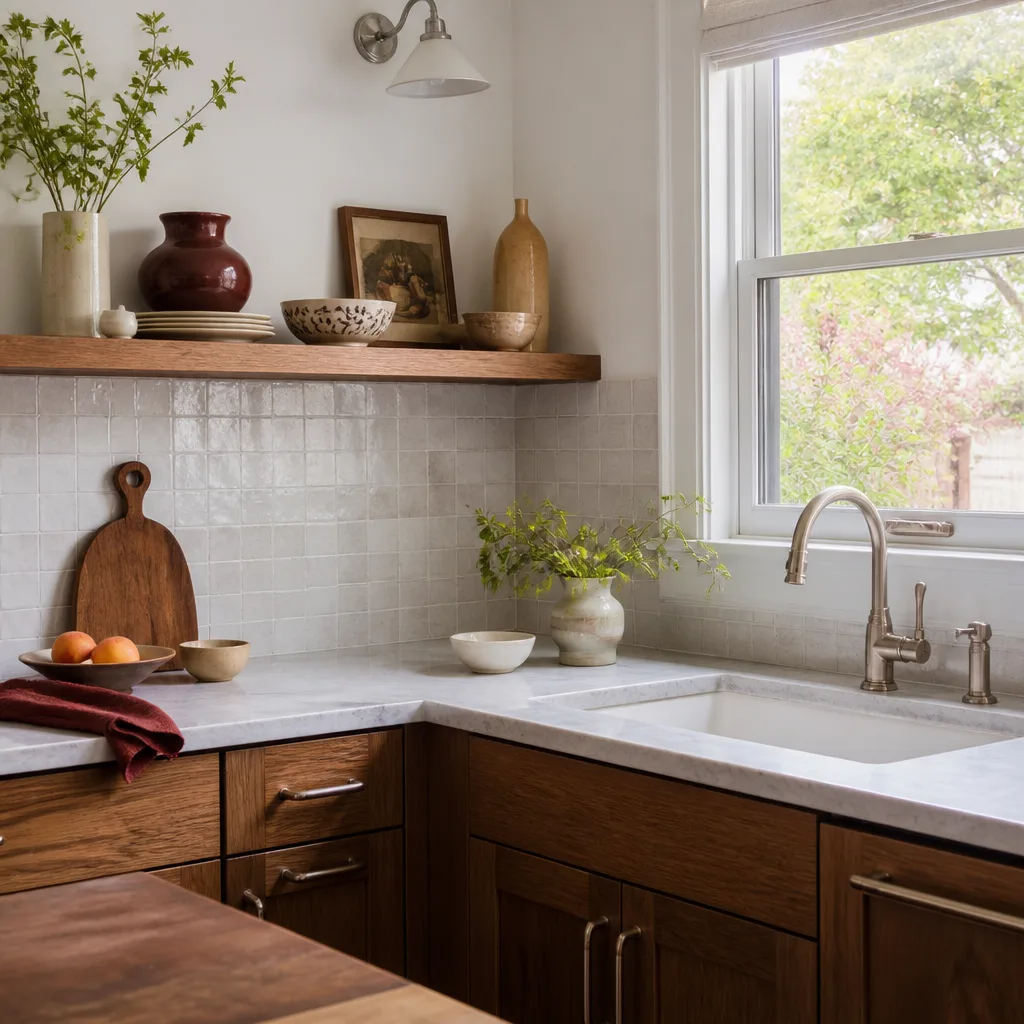
- Gaps between the window casing and the new backsplash tile. This usually means the original window was mounted slightly proud of the wall plane, and the previous contractor caulked a gap that should never have been brought to finished trim. The fix is removing the casing, shimming the trim flush, and re-pointing the tile edge.
- Condensation between the panes of your ES Windows unit. This is a failed seal, and it’s not a kitchen remodeling issue at all. The insulating glass unit (IGU) needs replacement, not the whole window. In San Jose’s summer-to-winter temperature swings, seals fail earlier than in coastal climates.
- Water stains on new drywall or paint below the window. This is almost always a flashing detail that got disturbed during demolition. When someone pulls the old counter or cuts into the wall behind it, a poorly-lapped flashing can open a path for water. It’s fixable, but it needs to be addressed before you close the wall back up.
- A sash that rubs or sticks after new counters went in. Heavy stone counters can shift the window sill slightly if the sill wasn’t properly supported before the new top was set. The fix is usually a sill reinforcement, not a window replacement.
- Caulk lines that keep cracking at the window-to-counter junction. This tells us the joint is moving more than it should. On an ES Windows unit in a kitchen, thermal expansion is normal, but if the gap is wider than a quarter inch, the original installation was underspaned and should be re-supported.
See the difference
 Before
 After
After Before
 After
After Before
 After
AfterReplacement Cost & What’s Included
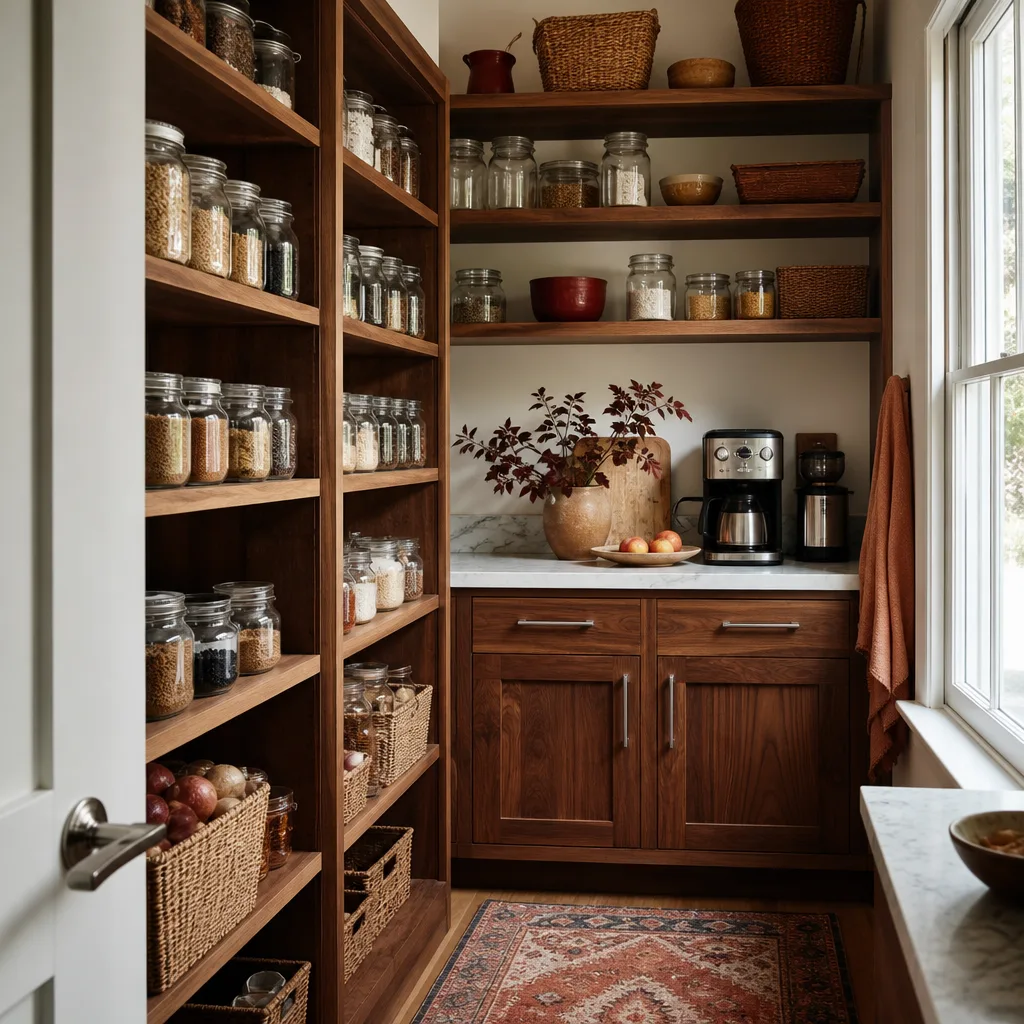
The headline number for an ES Windows-compatible kitchen remodel in San Jose is $16,520 to $53,100. That’s the range you should expect for a complete kitchen with mid-range to upper-mid-range materials from brands we carry like KraftMaid, Wellborn, and Cambria. The window-specific work within that scope is a much smaller line item: re-casing one ES Windows unit, re-flashing around it, and bringing the new backsplash and counter into a clean junction typically adds $590 to $1,180 per window, depending on the series and the condition of the original rough opening.
What drives the range up or down on the full kitchen? Three things mostly. First, cabinet line: KraftMaid stock cabinetry keeps you near the floor of the range, and Wellborn custom cabinetry pushes you toward the top. Second, countertop material: a laminate top costs a fraction of Cambria quartz, but the quartz carries a lifetime warranty that stacks with our 365-Day Done Right Promise. Third, the window work: if we’re keeping your ES Windows in place and working around them, that’s a lower cost than reframing an opening to accept a different window size.
Every quote from Penhallow Remodeling San Jose comes as a written price before any work starts. You see the parts, the labor, and the exact scope in advance. The invoice at the end matches the number we quoted, unless you approve a change order in writing. And every project carries our 365-Day Done Right Promise: if anything we installed fails inside a year, we come back and fix it at no charge.
DIY or Call Us?
Here’s the honest split. If you’re trying to identify which ES Windows series you have, you can absolutely check the sticker on the frame yourself, and measuring the frame depth is a ten-minute job. If you’re trying to decide whether a cracked caulk line is a simple re-caulk or a sign of a moving joint, you can also watch it for a few weeks and see if the crack reopens after re-caulking. Those are reasonable homeowner tasks.
What you should not do is cut into a load-bearing wall or attempt to reframe a window opening yourself. A window in a kitchen is frequently part of a shear wall, and in San Jose, any structural alteration requires a permit and an inspection. We pull the permits, we coordinate the inspections, and we make sure the new work meets current seismic code. That’s not a DIY job by any stretch. And if you’re dealing with a failed IGU on an ES Windows unit, the glass is heavy, and the sash removal can be dangerous if you haven’t done it before.
Give me the real problem and I’ll give you the real number. Call (669) 274-2362 and we’ll take it from there.
FAQs
ES Windows in San Jose typically hold up for 20 to 30 years in the frame and sash, but the exterior weather gaskets and the insulating glass seals usually need attention around year 12 to 18, especially on south-facing or west-facing kitchen walls.
Yes, in most cases the frame can be re-cased, re-flashed, and re-glazed in place, which is what we do for roughly 80% of the ES Windows we touch during San Jose kitchen remodels. Full replacement only makes sense if the frame itself is rotted or if you’re changing the window size as part of a layout redesign. Call (669) 274-2362 and we can tell you which one you’re looking at based on photos.
The window-specific portion of your kitchen remodel, meaning the re-casing, re-flashing, and finishing around your ES Windows, usually takes one to two working days per window once the new counters and backsplash are in place. The full kitchen remodel itself typically runs four to eight weeks in San Jose depending on cabinet lead times and whether we’re doing anything structural.
Yes, we keep a truck stock in San Jose of the most common ES Windows-compatible exterior gaskets, drip caps, and interior casing profiles for the 400 and 500 Series, plus factory-order access to OEM insulating glass units with a two-to-three-week lead time. If you have a discontinued 300 Series, we’ll source what’s available and give you an honest answer about what can and can’t be matched before you spend a dollar. Call (669) 274-2362 for an exact quote, estimates are free.
Written by Trevor Nash, Owner, Penhallow Remodeling San Jose at Penhallow Remodeling San Jose, serving San Jose and nearby areas.


