

Free written scope consultation - allowances, timeline, and change-order rules on paper before a single trade is scheduled
Silestone Windows & Doors: The San Jose Owner’s Guide
If you have a Silestone surface adjacent to a window or door that’s now failing, the fix usually comes down to either a replacement sill, a properly isolated support channel, or correcting the expansion joint that was never done right the first time. In San Jose, expect to pay $470 – $2,950 for a targeted repair, and $5,310 – $17,700 if the window or door unit itself needs full replacement. We stock the common trim profiles and isolation materials on our trucks, so most jobs we diagnose on a Tuesday are done by Thursday.
Most owners discover the problem the same way: a hairline crack running from the corner of a window opening, a door that suddenly sticks, or a seam that’s opened up where the Silestone meets the frame. What looked like a surface issue is usually structural movement underneath. The part that failed isn’t always visible.
Key Takeaways:
- Silestone is quartz, and quartz expands and contracts with temperature swings. San Jose’s hot afternoons and cool nights put real stress on any window or door penetration.
- A failed Silestone window or door surround is rarely the stone itself. It’s almost always the support, the isolation joint, or the original cut that was too tight.
- Written pricing before work starts, and a 365-Day Done Right Promise on every repair we do.
Which Silestone Models This Applies To
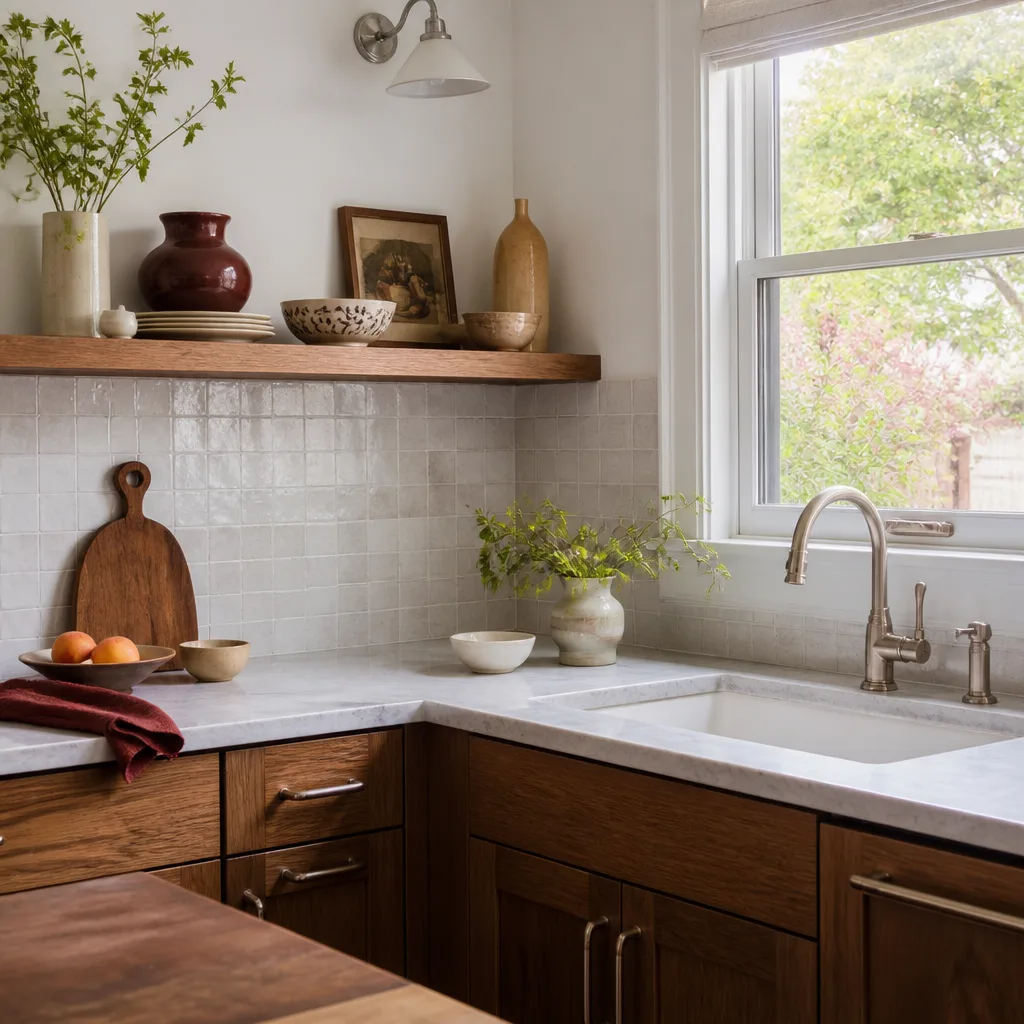
Silestone runs several product lines: the Classic series, the Suede (matte) finish, the Loft series, and the newer HybriQ and HybriQ+ formulations. The window and door components for any Silestone installation are not brand-specific in the way a faucet cartridge is. What matters is the slab thickness (1.2 cm, 2 cm, or 3 cm), the edge profile, and how the original fabricator handled the cut around the window or door frame.
Here’s the compatibility gotcha we see in San Jose: a 2 cm slab around a sliding door needs a different support ledger than a 3 cm slab around a fixed window. If the wrong profile was used originally, the stone will sag, crack, or pull away from the frame within a few seasons. We match the Silestone slab thickness and edge detail to the right OEM-spec support channel, or a quality aftermarket equivalent from a supplier we’ve worked with for years. For residential window and door surrounds, aftermarket support profiles are functionally identical to what the original fabricator used, as long as the gauges and finish match. We also handle surrounds and sills for KraftMaid cabinetry, Cambria tops, and Kohler fixtures when the job overlaps those brands.
OEM versus aftermarket really only bites on color-matched caulk and adhesive. Silestone doesn’t sell adhesive to homeowners, so fabricators use industry-standard quartz adhesives and color-matched epoxies. We carry a range of colorants to match the Silestone shade you have, whether that’s White Zeus, Eternal Calacatta, or a discontinued color.
Styles & brands we work with







Signs Your Silestone Windows & Doors Is Failing
- Hairline cracks radiating from a window corner. This is almost always expansion stress. The stone didn’t have room to move, and the coldest or hottest day of the year finally forced it. The fix is cutting a proper relief joint and reinforcing the support beneath.
- A window or sliding door that sticks or won’t open smoothly. The frame has shifted, often because the Silestone slab next to it settled and is now bearing on the frame. Shimming and re-supporting the slab usually frees the door.
- Caulk pulling away from the frame or stone. In San Jose’s dry summer air, cheap caulk loses adhesion within 18 months. When the seal opens, water gets behind the stone and starts rotting the substrate.
- Visible gap between the Silestone and the window or door casing. The slab has moved, or the original fabricator cut the opening too loose and filled it with caulk. A gap wider than 1/8 inch needs mechanical correction, not more caulk.
- Discoloration or dark staining at the bottom corners. Water is wicking up from a failed seal. Once moisture gets into the wood or drywall beneath Silestone, you’re looking at substrate repair on top of the stone work.
See the difference
 Before
 After
After Before
 After
After Before
 After
AfterReplacement Cost & What’s Included
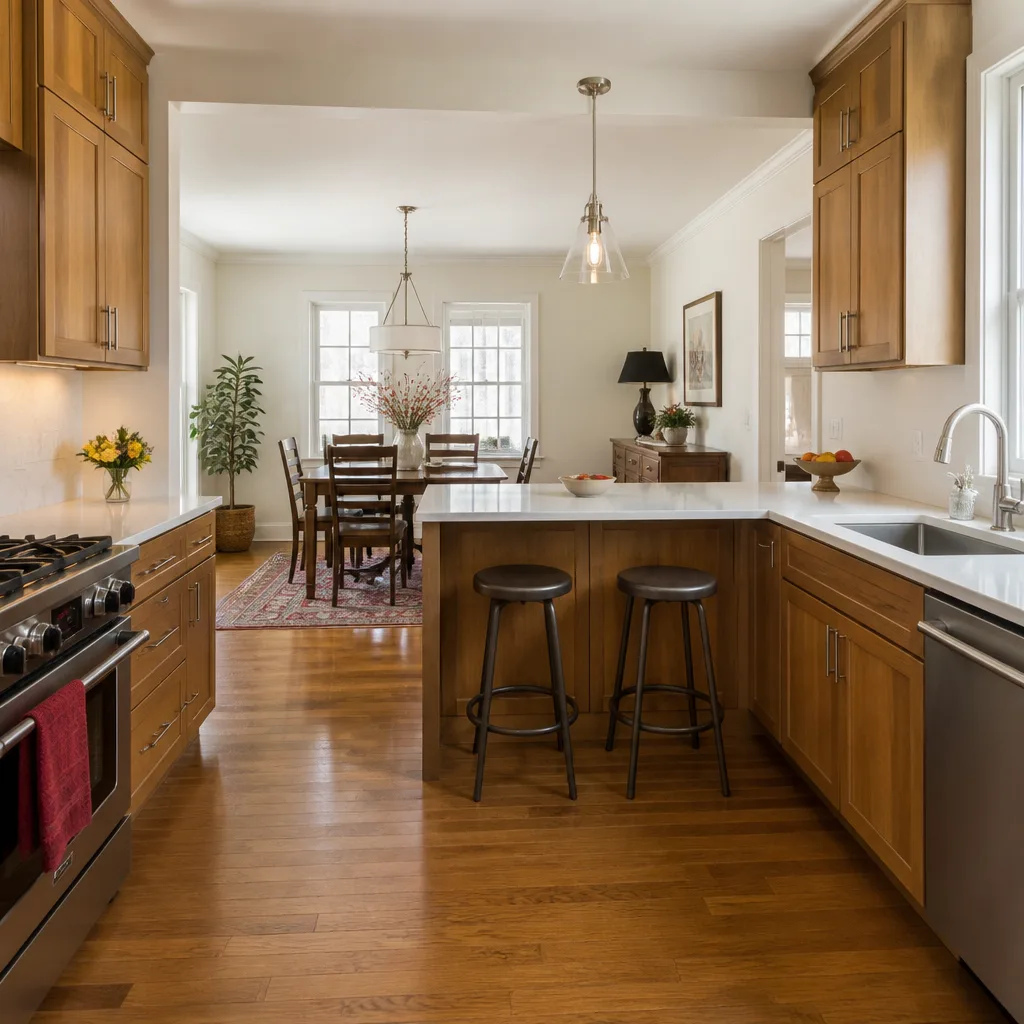
In San Jose, here’s what we price:
- Isolated repair of a cracked Silestone window surround: $470 – $2,125, depending on crack length and whether we can color-match the original fill or need to replace a section.
- Full window or door replacement with new Silestone-compatible surround and support: $5,310 – $17,700. The spread depends on window size, frame material, slab thickness, and whether the substrate behind the old surround needs rebuilding.
- Sill or threshold replacement where Silestone meets a door: $710 – $2,950. Wider doors with custom edge profiles run higher.
Every number is a written quote before we touch anything. The price you sign is the price you pay, unless you ask us to change the scope. What drives cost up: rotten substrate that has to come out, matching a discontinued Silestone color, and window units that require new flashing at the exterior. What drives it down: clean removal of the old surround, intact framing, and a standard slab thickness we can support with stock profiles. The work carries our 365-Day Done Right Promise: if it fails inside a year, we come back and make it right at no charge. If a repair fails, the second visit is free.
DIY or Call Us?
You can safely check a few things yourself. Caulk lines, visible gaps, and whether a door binds are all things you can note before calling. What you shouldn’t do is try to remove a piece of Silestone, lift a slab, or re-shim a door frame yourself. Quartz is heavy. A 2 cm slab section over a window can weigh 40 pounds; a 3 cm door saddle can weigh more. If it drops, it breaks, and it can take your hand with it. The stone itself isn’t dangerous the way a garage-door spring is, but the handling is.
What usually goes wrong with DIY attempts is the fix looks fine for a month and fails the first time the temperature swings. Then you’ve spent a weekend and a tube of caulk, and the crack is back. Give us a call at (669) 274-2362 and we’ll tell you honestly what’s wrong and what it costs. That’s what Trevor Nash has done for nearly two decades, and why he still says: “Give me the real problem and I’ll give you the real number.”
FAQs
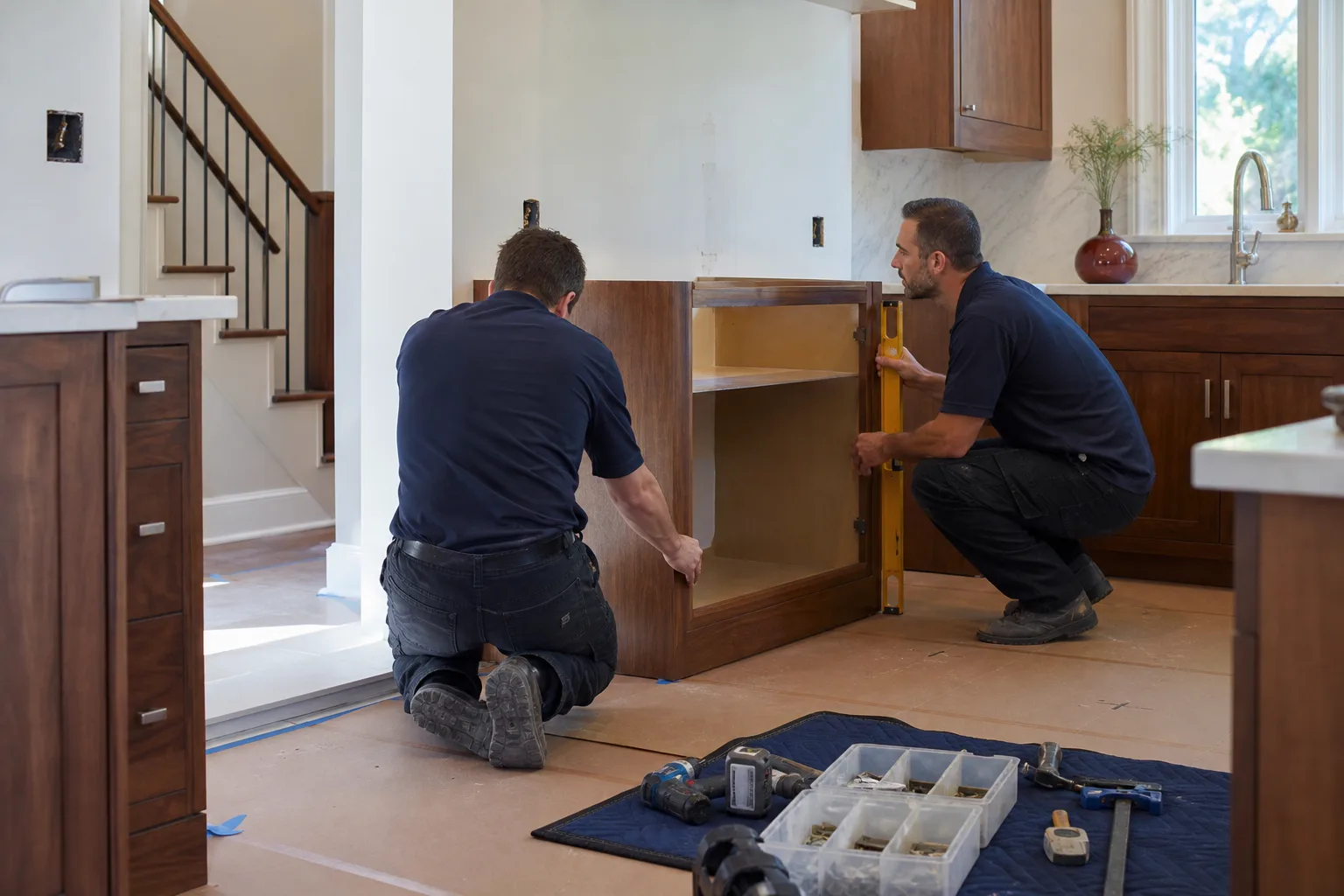
A properly supported Silestone surround should last 20 to 30 years in San Jose’s climate. What fails early is the support structure or the expansion joint, not the quartz itself. If the original fabricator cut the opening too tight or used a wood ledger that gets wet, you’ll see cracks within five to seven years.
Yes, in most cases the stone can be repaired in place. Smaller cracks can be filled with color-matched epoxy, and seams can be re-bonded. If the slab has moved more than 1/8 inch, though, we’ll need to remove and reset the piece to keep the repair from failing again. Call (669) 274-2362 and we’ll tell you which camp you’re in.
A simple surround repair in San Jose is a one-day job. Removing and resetting a section around a window or door takes one to two days, and a full window replacement with new Silestone surround takes two to three days, depending on the substrate condition. We schedule a defined arrival window and stick to it.
We stock standard 2 cm and 3 cm support profiles, isolation tape, color-matched adhesives, and caulk in common Silestone shades. Anything custom, like a matched edge profile for a discontinued color, we order from a local supplier and have it within a few days.
If your Silestone window or door surround is cracked, pulling away, or letting water in, call (669) 274-2362. We’ll give you a written estimate and a straight answer, whatever the fix turns out to be.
Written by Trevor Nash, Owner, Penhallow Remodeling San Jose at Penhallow Remodeling San Jose, serving San Jose and nearby areas.


